



A Canvas of Modernity
Exhibitions like 'Worlds Within Cloth: New Orders of Woven Making' serve as a powerful statement on the vitality of India's textile traditions. Unveiled in early August 2026, the showcase moves beyond seeing handloom as mere heritage. Instead, it frames
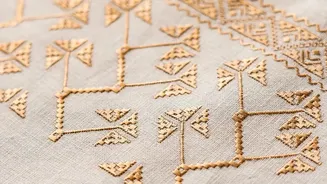
cloth as a medium for contemporary artistic expression, cultural memory, and critical inquiry. Featuring works by celebrated design houses like Abraham & Thakore alongside independent artists and craft collectives, the exhibition highlights a dynamic intersection of tradition and innovation. Through artist-artisan collaborations and research-driven installations, it presents a compelling vision of what the future of Indian weaving could look like: sophisticated, experimental, and globally relevant. These curated displays celebrate the mastery of hand-weaving, embroidery, and resist-dyeing, pushing the boundaries of what can be achieved with a loom and thread. They argue that the loom is not just a tool of the past, but a canvas for the future.
The Unravelling Reality
While the spotlight shines brightly on these museum-quality pieces, the daily reality for millions of weavers is far less glamorous. The handloom sector, the second-largest employer in rural India after agriculture, is grappling with profound challenges. According to the last national handloom census, a staggering percentage of weavers earn less than Rs 5,000 per month, a sum that makes a sustainable livelihood incredibly difficult. They face intense competition from power looms, which can produce textiles faster and cheaper, flooding the market with lookalikes that devalue the painstaking work of human hands. Furthermore, many weavers are dependent on a complex chain of intermediaries for raw materials and market access, with middlemen often claiming a significant portion of the final sale price. This economic precarity is compounded by an aging workforce, as younger generations often seek more stable and lucrative employment in cities, threatening the intergenerational transfer of priceless skills.
Weaving a Bridge to the Market
The gap between the artisan's loom and the final consumer is one of the most critical issues facing the sector. For the brilliance showcased in exhibitions to translate into widespread prosperity, weavers need direct and reliable access to markets. Historically, this has been the domain of middlemen, but new models are emerging to disrupt this dependency. Government initiatives, non-profit organizations, and craft-focused social enterprises are working to create more equitable supply chains. The rise of e-commerce platforms and social media has also been a game-changer, allowing individual artisans and collectives to tell their own stories, build a brand, and sell directly to a global audience of conscious consumers. These digital tools, combined with institutional support for skill development and quality control, are slowly helping to shift the power dynamic back into the hands of the creators themselves.
The Thread of Innovation
To secure its future, contemporary weaving cannot rely on nostalgia alone. It must innovate. This is where the collaborations seen in exhibitions like 'Worlds Within Cloth' and its predecessors like 'Sutr Santati' become so vital. When designers and contemporary artists partner with master artisans, they create a space for mutual learning. Designers bring fresh perspectives on colour, form, and product development, helping to adapt traditional motifs for a modern aesthetic. Artisans, in turn, bring their profound knowledge of technique, material, and process, ensuring that the final product retains its authenticity and integrity. This synergy helps make handloom aspirational again, not just as a heritage product but as a contemporary luxury. It demonstrates that tradition is not a static relic but a living language, capable of evolving and speaking to new generations in exciting ways.
The Power of the Conscious Buyer
Ultimately, the fate of India's handloom sector rests not only with weavers and designers but also with consumers. Every purchase is a vote for the kind of economy we want to support. The push towards 'slow consumerism'—valuing quality, longevity, and ethical production over fast fashion—is a powerful force for change. A handwoven textile may cost more than its machine-made counterpart, but that price reflects fair wages, sustainable practices, and the immense skill invested in its creation. Choosing to buy handloom is an investment in preserving cultural heritage, supporting rural livelihoods, and promoting environmental sustainability. As exhibitions bring the artistry of weaving into the mainstream, they also present an opportunity for consumers to become more educated and intentional in their choices, transforming them from passive buyers into active patrons of a priceless craft.