

Paradise Under Pressure
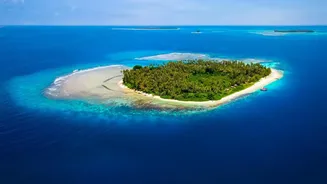
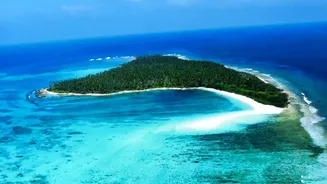
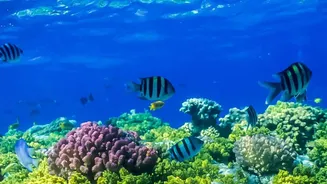
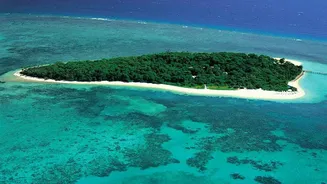
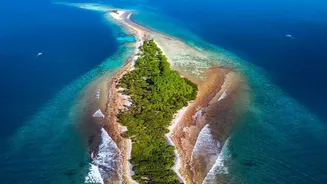
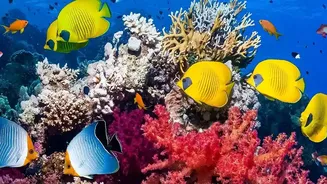
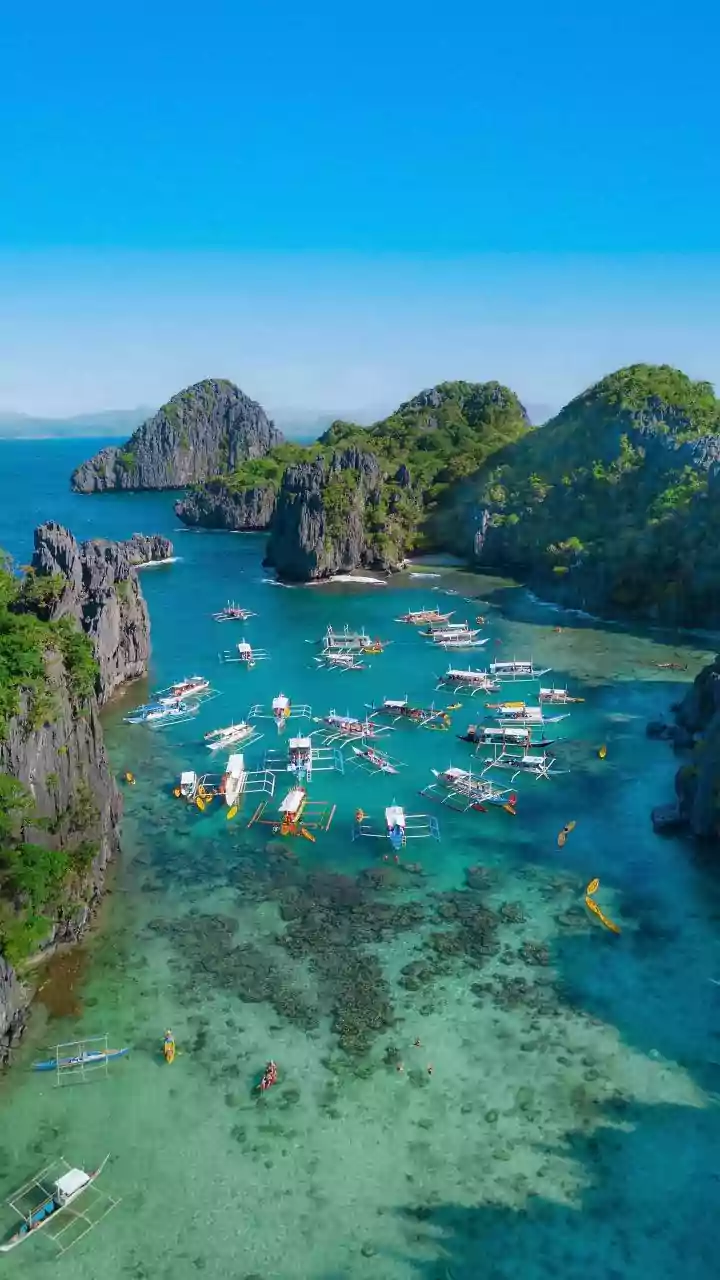
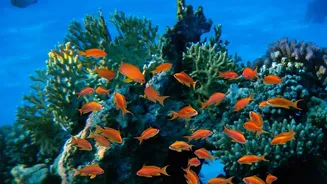
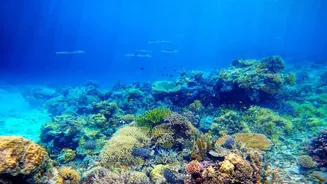
The Lakshadweep islands, a chain of 36 coral atolls in the Arabian Sea, have long been a symbol of untouched natural beauty. Known for their crystal-clear lagoons, white-sand beaches, and some of the healthiest coral reefs in the Indian Ocean, they represent
a delicate and vital marine ecosystem. In recent years, and especially following high-profile visits, interest in the islands has skyrocketed, with online searches for Lakshadweep increasing by as much as 3,400% at one point. This newfound fame presents a classic dilemma: how to leverage tourism for economic growth without destroying the very environment that makes the destination so appealing. The challenge is immense, as the islands face threats from rising sea temperatures causing coral bleaching, plastic pollution, and a shortage of fresh water.
The Rules of Responsible Travel
To manage this delicate balance, the Lakshadweep administration has implemented a suite of sustainable travel protocols, many of which are managed by the Society for Promotion of Nature Tourism and Sports (SPORTS). The cornerstone of this strategy is controlled tourism through a mandatory permit system. Every visitor, including Indian citizens, must obtain an entry permit before travelling, specifying the exact islands they intend to visit. This measure is designed to limit footfall and prevent overcrowding on the ten inhabited islands. In a significant move to streamline access, rules were simplified in 2026, removing the need for a local sponsor or a police clearance certificate from one's hometown, which had been major hurdles for independent travellers. However, security checks are still conducted by the Lakshadweep Police after an application is submitted, maintaining a layer of oversight.
Protecting the Blue Planet
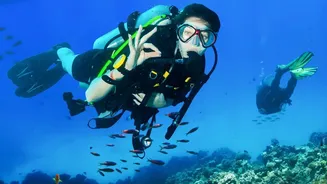
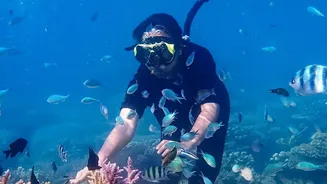
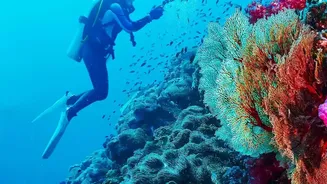
Beyond limiting numbers, the protocols focus heavily on direct environmental protection. A complete ban on single-use plastics is in effect across the islands to combat the crisis of marine debris. Visitors are actively encouraged to use reusable alternatives. Eco-friendly resorts are a key part of the strategy, with many operating on solar power, rainwater harvesting, and effective waste management systems. Water sports like scuba diving and snorkeling are governed by strict guidelines to protect the fragile coral. Tourists receive training on responsible diving practices, and many tour operators offer educational eco-tours focused on conservation. The administration, with the help of marine biologists, has also initiated coral restoration programs to help damaged reefs recover. These efforts are supported by India's Swadesh Darshan 2.0 scheme, which provides funding for sustainable infrastructure that complies with coastal regulations.
A Model with Challenges
The Lakshadweep model, which prioritises ecology over mass-market tourism, is often cited as a potential blueprint for other fragile destinations. Revenue from tourism is intended to be reinvested into local infrastructure and environmental projects, creating a circular system where growth supports conservation. However, the system is not without its strains. The recent tourism boom has intensified the waste management problem, with reports of garbage accumulating and threatening fisheries as well as public health. Experts have found microplastics in the local marine life, a worrying sign for an economy dependent on tuna exports. Furthermore, there are concerns among locals about being excluded from the decision-making process and the potential for new developments, like lagoon villas, to restrict their access to traditional fishing grounds.