








Plugging in your smartphone before you go to sleep is a nightly ritual for millions. But have you ever heard of this practice being restricted? We delve into where this rule comes from and the real reasons behind it.
The Source of the Rule
The idea of a widespread ban on overnight
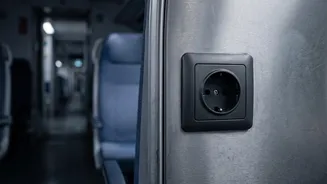
charging might sound like an urban legend, but it has a basis in a specific policy. The most prominent example in India comes from Indian Railways. In 2021, the railway board directed zones to switch off power for the main charging ports in train coaches between 11 PM and 5 AM. This wasn't a new rule but a stricter enforcement of existing guidelines. The decision was reinforced as a precautionary measure to prevent fires, particularly after a few incidents on long-distance trains. So, while it’s not a nationwide mandate in your home, it is a reality for overnight train travellers. The logic behind this decision offers a glimpse into the two biggest concerns associated with leaving devices plugged in for hours on end: fire safety and battery health.
The Primary Concern: Fire Safety
The number one reason for any restriction on unattended, overnight charging is the risk of fire. This concern is not necessarily about your phone itself spontaneously combusting. Instead, the danger often lies with the accessories. The market is flooded with cheap, uncertified chargers and frayed or damaged cables. These low-quality products often lack the safety mechanisms to handle overheating, power surges, or short circuits. When a device is left charging for hours, especially under a pillow or on a flammable surface like bedding, a faulty charger can overheat and ignite, with potentially devastating consequences. On a moving train filled with sleeping passengers, this risk is magnified, which is why Indian Railways takes such a cautious approach. The rule is less about a blanket distrust of all electronics and more about mitigating the risk posed by the weakest link in the charging chain: a potentially faulty charger or cable.
The Second Worry: Battery Health
Beyond the immediate danger of fire, many users worry about the long-term health of their device’s battery. The conventional wisdom has long been that leaving your phone plugged in at 100% for hours degrades the lithium-ion battery faster. This is based on a real principle: batteries are under the most stress when they are at 0% or 100% charge. Keeping a battery constantly topped off can, over a long period, reduce its overall lifespan, meaning it won't hold its charge as well as it used to. Heat is another major enemy of battery longevity. A phone that gets warm while charging overnight is experiencing conditions that accelerate battery ageing. These concerns are valid and were especially true for older generations of smartphones and devices that lacked sophisticated power management systems.
How Modern Devices Have Changed the Game
Fortunately, technology has evolved significantly. Today’s smartphones are 'smart' for a reason. They contain advanced battery management systems designed to protect against overcharging. Once your phone hits 100%, the charging circuit cuts off the power flow, only trickling in a tiny amount of power to keep it topped off. Many modern phones from brands like Apple, Google, and Samsung have taken this a step further with 'Optimized' or 'Adaptive' charging features. These systems learn your daily routine. They will quickly charge your phone to 80% and then pause, finishing the final 20% just before your usual wake-up time. This clever trick minimises the time your battery spends at the stressful 100% mark, helping to preserve its longterm health without you having to do a thing.
Best Practices for Safe Charging
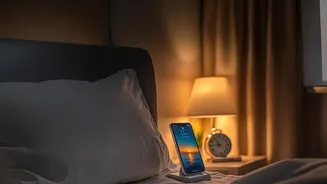
While modern phones have excellent safeguards, you can still follow a few simple rules for maximum safety and peace of mind. First and foremost, always use the original charger that came with your device or a high quality, certified third party charger from a reputable brand. Avoid cheap, unbranded accessories at all costs. Secondly, never charge your phone under your pillow or on your bed. Place it on a hard, flat surface like a nightstand where heat can dissipate easily. If your phone or charger feels excessively hot to the touch, unplug it immediately. Finally, periodically inspect your cables for any signs of fraying or damage and replace them if they are worn out. Following these simple steps virtually eliminates the risks associated with overnight charging.