
An End to the Trend Cycle
For years, fashion has operated on a strict, fast-paced calendar: spring/summer, autumn/winter, and a flurry of micro-seasons in between. This model, born from Western climates and commercial imperatives, has long encouraged a culture of disposability.
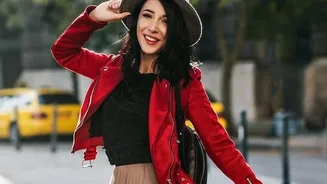
However, a growing consciousness is challenging this norm in India. The very concept of four distinct seasons doesn't align with the country's diverse, predominantly warm climate. This geographical reality has made Indian consumers natural adopters of seasonless dressing; fashion is now finally catching up to this lifestyle. The new approach favours clothing that is not defined by a fleeting trend but by its inherent quality and adaptability, marking a maturation in how consumers approach fashion.
The Rise of Conscious Consumerism
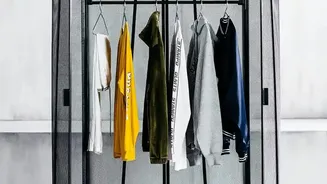
This movement is about more than just practicality; it's rooted in a deeper change in mindset. Indian consumers, particularly the younger generation, are increasingly aware of fashion's environmental impact and are actively seeking sustainable alternatives. This has led to the rise of 'slow fashion', an approach that prioritises quality over quantity, ethical production, and mindful consumption. People are choosing to invest in fewer, better-quality garments made from sustainable materials that are designed to last. The focus is shifting from impulse buys to thoughtful investments, with made-to-order models gaining traction, which reduces waste and rejects the fast-fashion supply chain entirely. This new-age consumerism values transparency, craftsmanship, and pieces with a story.
Designers Championing Versatility
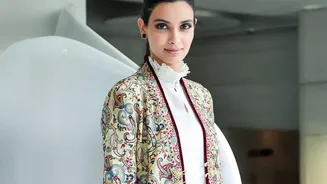
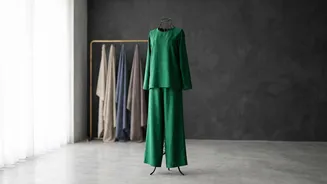
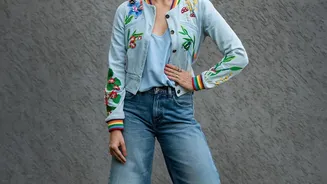
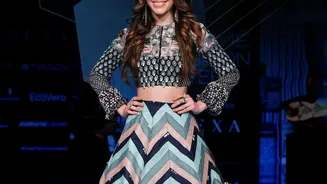
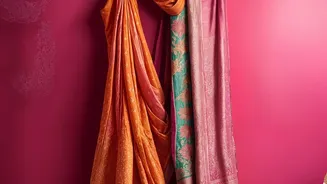
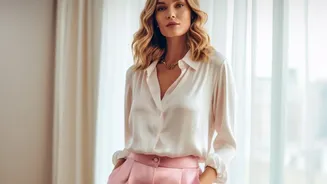
Indian designers are at the forefront of this evolution, reinterpreting traditional silhouettes for modern life. Names like Anita Dongre have long championed sustainable luxury and heritage crafts, creating timeless pieces. Others, such as Abraham & Thakore, focus on minimalism and textile innovation, proving that luxury lies in quality and clean lines rather than heavy embellishment. The result is a surge in versatile garments. Think of a classic kurta that can be paired with denim for a casual look or a sharara for a festive event. Statement blouses are designed to be worn with everything from a simple saree to high-waisted trousers. Pre-draped sarees, jackets, and co-ord sets are becoming staples because they offer multiple styling options, moving seamlessly between formal occasions and everyday wardrobes.
Building a Modern, Timeless Wardrobe
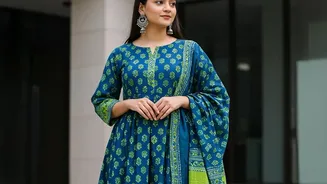
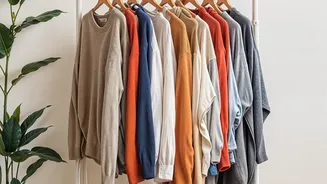
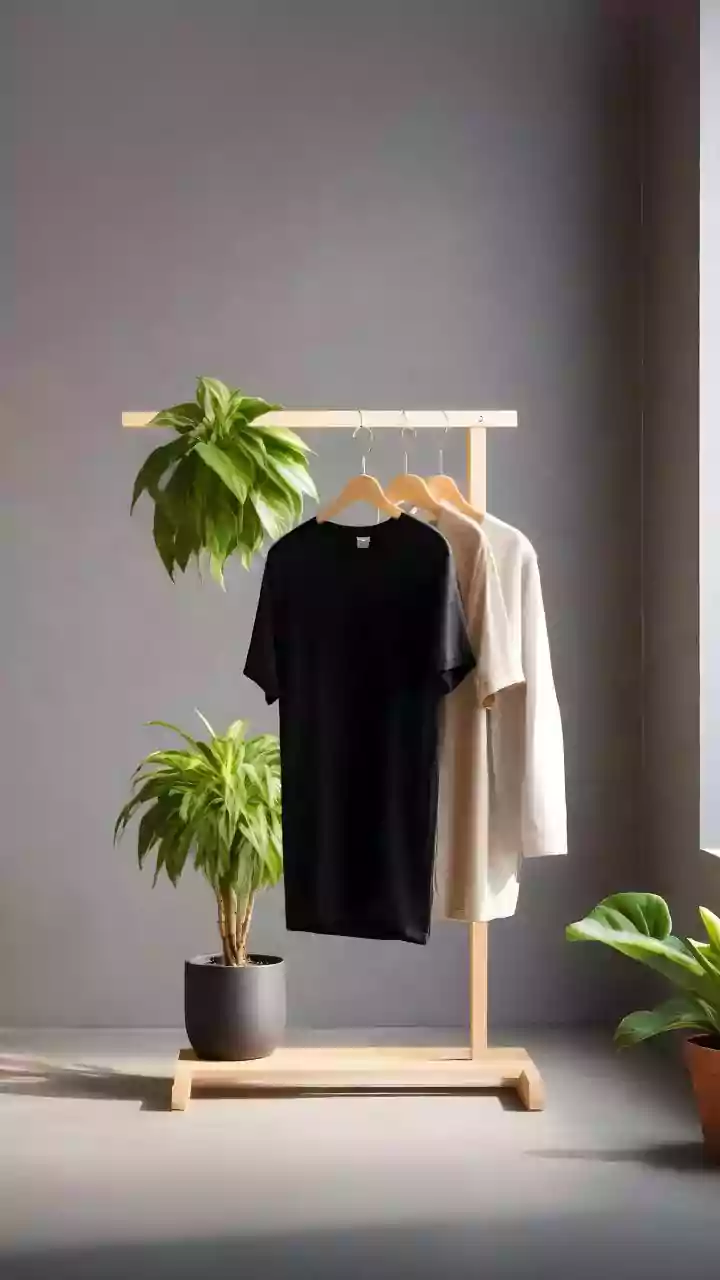
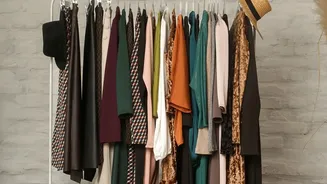
So, what do these multi-season pieces look like? They are often defined by fabric and form. Breathable, natural materials like handloom cotton, linen, khadi, and silk are preferred for their comfort and durability. Silhouettes are becoming more relaxed and fluid, focusing on movement and ease. We are seeing a return to classics, but with contemporary updates: an Anarkali with a gown-like flow, a saree paired with a structured blazer, or a lehenga styled with a simple crop top. The colour palette is also evolving to include more earthy neutrals, ivory, and classic black, which serve as versatile foundations. These pieces can be layered, accessorized, and adapted to suit different climates and occasions, empowering the wearer to create a signature style that transcends trends.