






Understanding India's Trio of Seasons
Indian agriculture and gardening are traditionally divided into three main seasons: Kharif, Rabi, and Zaid. Each has a unique character defined by temperature and water availability. The Kharif season is tied to the southwest monsoon, typically running
from June to October. It’s a period of high humidity and heat, perfect for water-loving plants. Following this is the Rabi season, the cooler, drier winter period from roughly October to March, when crops that prefer less water are sown. Finally, Zaid is a short, hot summer season from March to June, where fast-growing, heat-tolerant crops like melons and cucumbers can be cultivated, often relying on irrigation. For a gardener, planting a Rabi crop during the heavy Kharif rains, or a Kharif crop in the dry Rabi winter, is a recipe for failure.
Spotlight on Kharif: The Monsoon Garden
The Kharif season is synonymous with the monsoon. It's the primary growing period for many of India's staple food crops, and for gardeners, it’s a time of explosive growth. The natural rainfall and high humidity create a fertile environment where plants can flourish with less manual watering. However, this season is not without its challenges. The very rains that give life can also cause problems like waterlogging, fungal diseases, and soil erosion if not managed correctly. The key to success is choosing plants that are adapted to these specific conditions and preparing your garden to handle the intense moisture. A poor decision often involves simply planting whatever seeds are on hand, without considering if they can handle consistently wet soil and high humidity.
Common Kharif Gardening Mistakes to Avoid
The most frequent error gardeners make during the monsoon is poor drainage. When pots or garden beds become waterlogged, plant roots are starved of oxygen and begin to rot, leading to yellowing leaves and drooping plants. Another common mistake is choosing the wrong plants. Trying to grow delicate herbs or vegetables that prefer dry feet will end in disappointment. Overcrowding is also a major issue; when plants are too close together, air circulation is poor, creating a perfect breeding ground for fungal diseases which thrive in damp conditions. Finally, many gardeners stick to their summer watering schedule, failing to adjust for frequent rainfall, which can be fatal for most plants. Always check the soil before watering; if it's moist, let it be.
Best Plants for Your Kharif Garden
To ensure a bountiful harvest, select vegetables and flowers that thrive in the monsoon. Gourds are an excellent choice; varieties like bottle gourd (lauki), bitter gourd (karela), and ridge gourd (turai) love the wet and humid weather. Okra (bhindi) is another Kharif star, producing prolifically throughout the season. Many beans, such as cluster beans and cowpeas, also perform well. For those who love leafy greens, amaranth (chaulai) and some varieties of spinach are good options. Don't forget brinjal (eggplant), which establishes itself well during this period for a strong harvest. Spices like turmeric and ginger can also be planted now. These plants are all adapted to handle the moisture and will reward you with steady growth.
Tips for a Thriving Monsoon Garden
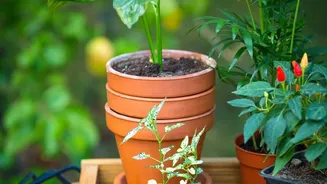
Success during Kharif requires a bit of preparation. First, ensure excellent drainage. If you're using pots, make sure they have ample drainage holes and consider raising them off the ground to prevent water from pooling. Use a light, porous potting mix containing soil, compost, and materials like cocopeat to prevent compaction. Pruning is also essential during this time. Trim away dead or damaged leaves and thin out dense foliage to improve air circulation and reduce the risk of pests and disease. Be vigilant for pests like snails and slugs, which are common in damp weather. Support taller plants like tomatoes or climbing gourds with stakes or trellises to protect them from strong monsoon winds. Lastly, while the rain helps, don't forget to fertilize, as heavy downpours can wash away essential nutrients from the soil.