



A Modern Twist on Tradition
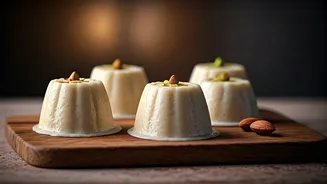
Malai kulfi is more than just an ice cream; it's a cultural touchstone. Traditionally made by slowly simmering full-fat milk for hours until it reduces, thickens, and caramelises, it’s then flavoured with cardamom, saffron, and nuts. The result is a dense,
creamy, and intensely satisfying frozen dessert that’s a world away from airy, churned ice creams. However, its core ingredients—milk and sugar—are now viewed with caution by a growing number of people. This has paved the way for a culinary reinvention, one that keeps the soul of kulfi intact while updating its formula for modern dietary preferences.
The Move Away from Dairy
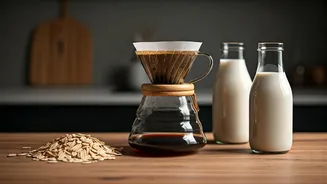
The demand for dairy-free alternatives in India is on the rise, and it’s not just a niche trend. A significant portion of the population is lactose intolerant, experiencing digestive discomfort after consuming milk products. Beyond that, ethical veganism and a general perception that dairy can be inflammatory have led many to seek plant-based options. For kulfi, this means swapping out the foundational cow or buffalo milk. The most popular substitutes are full-fat coconut milk or a rich cream made from soaked cashews. These alternatives are chosen for their high fat content, which is crucial for replicating the luxurious, creamy mouthfeel that makes kulfi so beloved. Almond milk is another option, though it often needs a thickening agent to achieve the right consistency.
Finding Sweetness Without Sugar
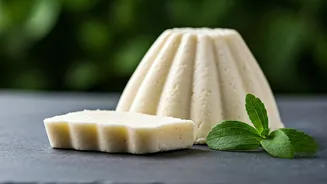
The other half of this health-focused makeover is the elimination of refined sugar. With rising awareness about diabetes, insulin resistance, and the general health impacts of high sugar consumption, natural, zero-calorie sweeteners have become kitchen staples. Stevia, a sweetener derived from the leaves of the Stevia rebaudiana plant, is the star player here. It provides intense sweetness with no calories and no impact on blood sugar levels, making it ideal for diabetic-friendly and keto-friendly desserts. While some people detect a slight aftertaste, modern stevia blends have improved significantly. When combined with the strong, aromatic flavours of cardamom and saffron in kulfi, any subtle notes from the stevia are often perfectly masked, delivering sweetness without the consequences of sugar.
But Does It Actually Taste Good?
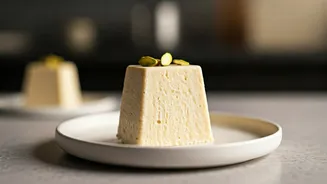
This is the ultimate test. A healthier dessert is only a success if it’s genuinely delicious. Fortunately, this kulfi passes with flying colours for most who try it. The magic lies in the ingredients. The fat from coconut cream or cashew paste provides a richness that beautifully mimics traditional malai. When frozen, these fats create a dense, sliceable texture rather than icy crystals. The nutty, slightly tropical flavour of coconut milk pairs wonderfully with traditional Indian spices, while cashew cream offers a more neutral, purely creamy base. The key is balance. A good dairy-free kulfi doesn’t taste like a compromise; it tastes like a new, intentional flavour profile—one that is rich, satisfying, and fragrant.
A 'Healthier' Indulgence
While this kulfi is free of dairy and refined sugar, it's important to frame it correctly as a 'healthier' indulgence, not a 'health food' to be eaten without limit. The plant-based fats from coconuts and nuts are still calorie-dense. While these are generally considered better fats, moderation remains key. The main benefit is that it makes a beloved dessert accessible to those who cannot or choose not to consume dairy and sugar. It allows them to participate in the joy of a traditional treat without a side of digestive distress or a blood sugar spike. It’s a mindful indulgence, designed to be savoured and enjoyed without the guilt or physical repercussions that a conventional kulfi might cause for some.