







An Invisible Threat to Young Minds
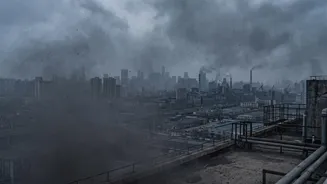
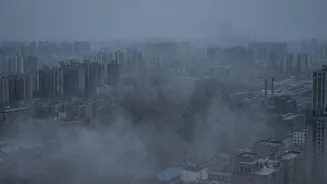
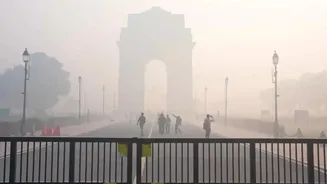
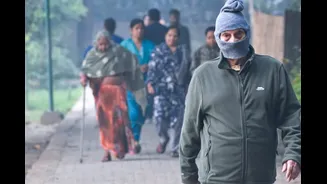
For years, the conversation around Delhi's air pollution has focused on its devastating physical effects: damaged lungs, asthma, and other respiratory illnesses. However, a growing body of evidence suggests the danger is not just what children breathe
into their lungs, but how it affects their developing brains. Recent studies have begun to draw a worrying line connecting air pollution to neurodevelopmental issues. A survey in Delhi-NCR found that nearly 70% of children felt stressed or worried due to poor air quality, with 77% reporting feelings of anxiety, irritation, or distress. Health experts warn that prolonged exposure to high levels of pollutants like PM2.5 may not only cause physical ailments but can also impact mental development and emotional well-being. This 'eco-anxiety' is becoming a recognised phenomenon, where the constant awareness of an environmental threat creates persistent worry.
The Gilded Cage of Indoor Safety
The logical response to toxic air is to stay inside. Schools shut down, outdoor playtime is cancelled, and homes become sealed environments protected by air purifiers. While this reduces exposure to pollutants, it presents a new set of challenges. Being confined indoors for long periods disrupts a child’s natural routine, limiting physical activity and social interaction, which are crucial for healthy development. Experts point out that this prolonged indoor time isn't a simple solution. Reduced access to green spaces and unstructured play can have cascading effects on a child’s emotional state. Psychologists note that children in such situations can experience loneliness, boredom, and a heightened sense of fear, which can manifest as irritability, disruptive behaviour, and anxiety. The very solution meant to protect them can inadvertently create a high-stress environment.
Online Classes: A Double-Edged Sword
When severe pollution forces schools to close, learning moves online. This shift, initially a necessity during the COVID-19 pandemic, has become a recurring feature of Delhi's winter. While it ensures educational continuity, it also dramatically increases screen time, which is independently linked to mental health challenges. A Delhi government study found that 50% of students felt 'irritated and frustrated' with online classes. Experts explain that excessive screen exposure can hyperactivate a child's 'fight-or-flight' response, keeping their nervous system in a constant state of low-grade stress. Furthermore, the lack of face-to-face interaction with peers and teachers can lead to feelings of social isolation and disconnection, compounding the anxiety they may already feel from being confined. One UNICEF health specialist noted this creates a dependency cycle, where children turn to screens for entertainment and social validation, potentially worsening their anxiety.
What Can Parents Do?
The combination of pollution, confinement, and screen time creates a complex challenge for parents. However, experts suggest there are proactive steps to mitigate the impact. First, validating a child's feelings is crucial. Dismissing their fears about pollution as an overreaction can make them feel misunderstood. Instead, engage in honest, age-appropriate conversations about the issue. Inside the home, creating a calm and structured environment is key. This includes designated 'screen-free' times to encourage other activities and ensuring spaces are clean and uncluttered to reduce feelings of being overwhelmed. It's also vital to model healthy coping mechanisms. If parents are openly anxious, children will absorb that stress. Finally, focusing on small, actionable solutions, like recycling or conserving energy, can empower children and give them a sense of agency, countering feelings of helplessness.