



A Queen Crowned with Sweetness
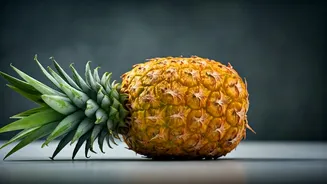
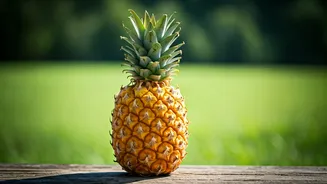
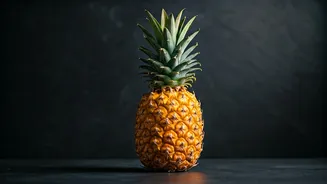
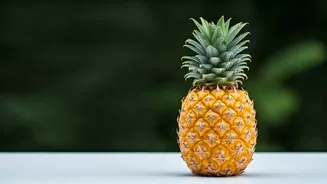
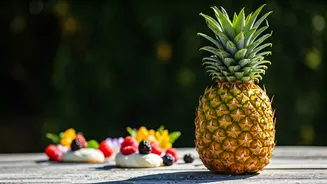
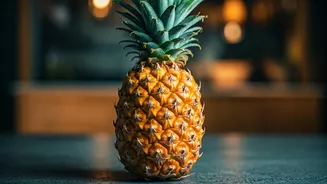
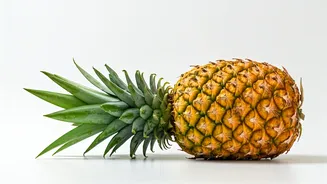
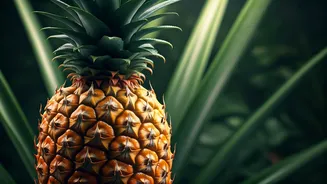
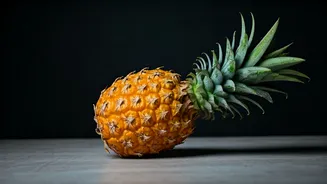
The star of Tripura’s pineapple story is undoubtedly the 'Queen' variety. Smaller and more compact than its commercial cousins, this pineapple is a powerhouse of flavour. It was awarded the Geographical Indication (GI) tag in 2015 and declared Tripura's
state fruit in 2018, distinctions that protect its unique identity. What makes it so special? The answer lies in its exceptional sweetness, low acidity, and a distinct, captivating aroma that fills the air. Its flesh is a striking golden-yellow, with a firm, low-fibre texture that makes each bite a juicy, pleasant experience without the stringiness of other varieties. This unique profile is a direct result of Tripura's hilly terrain, fertile soil, and ideal tropical climate, where the fruit is grown with minimal to zero chemical fertilisers, often qualifying as organic by default.
More Than a Fruit: A Cultural Legacy
For the farmers of Tripura, particularly the tribal communities who are its primary cultivators, the pineapple is more than just a crop; it is a lifeline. There's a local saying that “the pineapple would never betray them,” a testament to its reliability as a source of income even when other crops fail. Cultivation of the Queen and its companion, the larger 'Kew' variety, supports the livelihoods of thousands of families. The Kew pineapple, while also grown in the state, is valued more for its suitability for canning and processing due to its size and shallow 'eyes'. Together, these two varieties form the backbone of a burgeoning horticultural economy, one that the government is actively nurturing through targeted initiatives.
From Tripura's Hills to Delhi's Markets
Historically, a lack of market linkage was a significant hurdle for Tripura's pineapple growers, despite the fruit's superior quality. However, recent years have seen a concerted push to change this narrative. The state and central governments have launched ambitious programmes like 'Mission Queen Pineapple', a multi-crore project aimed at developing a robust farm-to-market value chain. This includes building better infrastructure for storage, processing, and transport. A major step in this direction is the Tripura Global Pineapple Festival, held in Delhi from June 27-29, 2026, to showcase the fruit to a national and international audience of buyers and exporters. These efforts mean that Delhi foodies now have a better chance than ever to find this exceptional fruit in their city, sometimes at dedicated outlets like Dilli Haat.
How to Savour the Queen
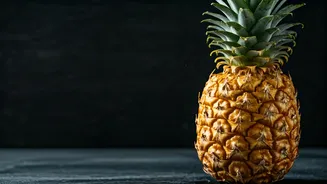
While the Queen pineapple's small size and deep eyes make it less suitable for perfect rings or slices for canning, it is unparalleled for fresh consumption. The best way to enjoy it is to simply slice it and eat it fresh, allowing its natural sweetness and aroma to shine. Its low fibre content means the experience is pure, juicy bliss. Because of its intense flavour, it also makes for an incredible juice. The fruit's unique properties are also being explored for value-added products like jams, jellies, and even bromelain extraction, an enzyme with applications in the pharmaceutical and food industries. When you see a smaller, golden-yellow pineapple with a spiky crown and a powerful, sweet scent, you've likely found the Queen. Don't hesitate to take it home.