





The New Economic Engines
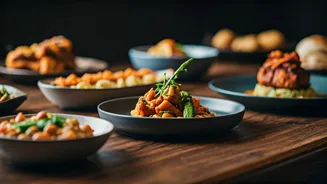
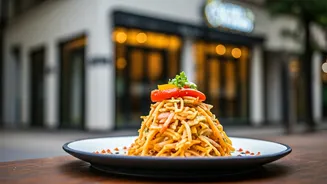
For decades, India's economic growth story was centered around its bustling metropolitan hubs. But the narrative is shifting. Tier-2 cities are rapidly emerging as the new engines of consumption, a trend most visibly reflected in their burgeoning dining
scene. A key driver is the significant rise in disposable income. Government initiatives, infrastructure development, and the dispersal of industries away from saturated metros have led to better job opportunities and wealth creation in cities like Pune, Chandigarh, and Coimbatore. The pandemic also played a role, triggering a reverse migration of skilled professionals who chose to continue working remotely from their hometowns, bringing their metro-level salaries with them. This influx of capital and a growing local middle class means more people have the financial capacity to dine out, and not just for special occasions. Dining out is increasingly becoming an everyday lifestyle choice.
A Taste for New Experiences
It’s not just about having more money to spend; it's about a fundamental shift in consumer behaviour. Exposure to global trends via social media and OTT platforms has cultivated a new, aspirational consumer in smaller cities. Young, digitally-savvy Indians in places like Lucknow and Jaipur now follow the same food influencers and trends as their counterparts in Bengaluru or Mumbai. They crave new experiences, from artisanal coffee and global cuisines to themed cafes and premium desserts. This has created a fertile ground for restaurant brands, as consumers are not only willing to spend on dining but are actively seeking novel and high-quality culinary experiences. According to one report, this consumer segment is driving a demand for “premiumisation,” moving beyond basic eating habits to explore gourmet burgers, sushi, and more.
Brands Follow the Money
The restaurant industry has taken notice. Faced with market saturation, high rentals, and intense competition in metros, major food and beverage (F&B) brands are aggressively expanding into Tier-2 and Tier-3 markets. A comprehensive report by the National Restaurant Association of India (NRAI) and Grant Thornton Bharat revealed that nearly 94% of restaurant operators are planning to expand into these smaller cities. The economics are compelling: commercial leases can be ten times cheaper than in prime metro locations, and operators expect to break even within two years, a much faster cycle than in large cities. This has made cities like Indore, Surat, and Nagpur hotspots for quick-service restaurants (QSRs), cafes, and casual dining chains looking for sustainable growth.
The Local Chef Returns Home
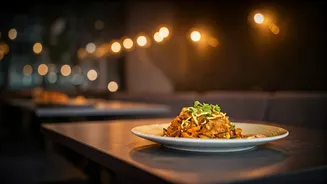
The boom isn't solely driven by national chains. A more nuanced trend is also unfolding: the rise of local, chef-led fine dining establishments. Many of these are helmed by chefs who have left careers in Tier-1 cities to return to their hometowns, bringing their expertise and vision with them. This movement is enabled by favourable local conditions. Cheaper real estate allows for more creative and less commercially restrictive restaurant concepts. Furthermore, these chefs often have better access to unique, high-quality local ingredients that would be expensive to source in a major city. Often funded by local angel investors rather than large venture capital firms, these establishments can maintain creative control and offer authentic, high-end dining experiences tailored to the local palate.
Challenges in the New Frontier
Despite the immense opportunity, expanding into Tier-2 cities is not without its hurdles. Operators often face fragmented supply chains, particularly for ingredients that require a consistent cold-chain infrastructure. This can inflate costs and impact margins. Another significant challenge is the shortage of skilled talent. Kitchen and service staff often migrate to metros for opportunities, leading to high attrition rates for trained employees brought in from other cities. Success in these markets requires more than a simple copy-paste of a metro playbook; it demands strategic adaptation in menu pricing, format, and operations to suit local tastes and conditions.