


The Perfect Weather Window
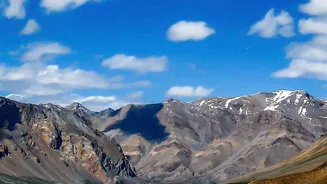
Ladakh's magic in August lies in its unique geographical advantage. Tucked away in a rain shadow created by the Himalayan range, it largely escapes the heavy monsoon showers that drench the rest of the country. This results in a travel sweet spot: the days
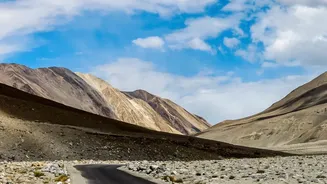
are pleasantly warm, with temperatures in Leh hovering between 15 and 25 degrees Celsius, perfect for sightseeing. While the sun can be strong, the air is crisp and nights are cool, requiring a jacket as temperatures drop. This dry, sunny weather means you can comfortably explore the region's monasteries, lakes, and high passes. All major internal roads to iconic spots like Nubra Valley, Pangong Tso, and Tso Moriri are open and in their best condition.
A Landscape in Surprising Colour
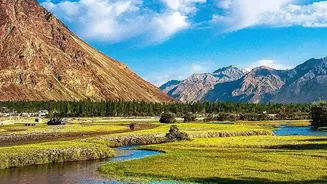
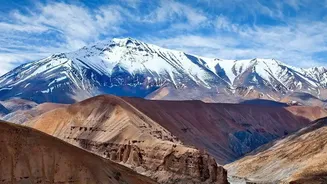
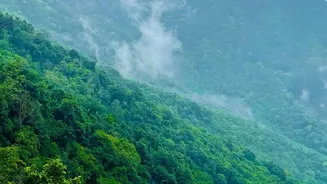
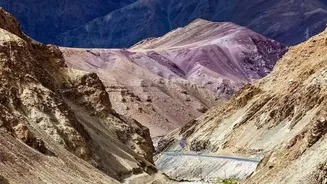
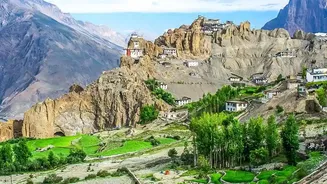
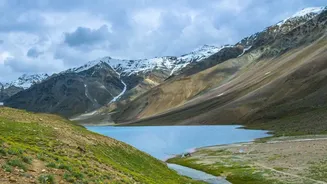
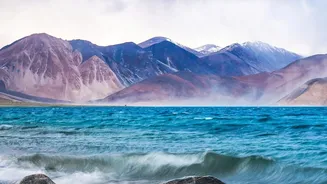
August is when Ladakh sheds some of its barren, moon-like image for a fleeting splash of colour. The meltwater from the preceding months nourishes the valleys, especially along riverbanks, turning them a surprising shade of green. The journey to Nubra Valley reveals patches of lush farmland and groves of poplar trees, a stark contrast to the rugged mountains. In the Hunder area of Nubra, you will find silvery sand dunes against a backdrop of the Karakoram range, home to the famous double-humped Bactrian camels. The iconic Pangong Lake is at its most spectacular, its waters shifting through mesmerizing shades of blue under the clear August sky. The roads leading to Ladakh, particularly the Manali-Leh highway, are also flanked by greenery, making the journey itself a visual treat.
Festival Season and Cultural Immersion
August is a fantastic time for cultural exploration, with several important monastic and cultural festivals taking place. These events offer a vibrant glimpse into Ladakhi traditions. The Ladakh Nomadic Festival, often held in August in the Changthang region, showcases the unique lifestyle of the nomadic Changpa people. Other festivals, like the Karsha Gustor in Zanskar or the Phyang Tsedup, may also fall during this period, featuring colourful masked dances (Chams) performed by monks in ancient monastery courtyards. These festivals celebrate the triumph of good over evil and are a highlight for any visitor looking to experience the region's spiritual heart. Attending a festival provides an authentic connection to the local culture that goes beyond just sightseeing.
Adventure at Its Peak
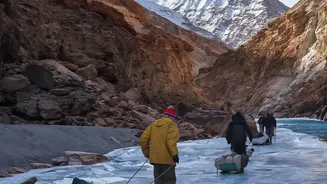
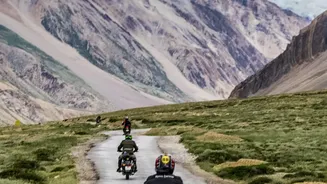
For thrill-seekers, August offers prime conditions for a wide range of adventure activities. The weather is ideal for trekking, with popular routes like the Markha Valley and Sham Valley treks fully accessible and trail conditions at their best. The water levels in the Zanskar and Indus rivers are manageable, creating thrilling rapids perfect for white-water rafting, catering to both beginners and experienced rafters. Motorcycle enthusiasts will find the high passes like Khardung La and Chang La clear of snow, making for an epic road trip. From camping beside the serene Tso Moriri, a high-altitude lake known for its birdlife, to stargazing at the Hanle Dark Sky Reserve, the options are plentiful.
Know Before You Go: August Travel Tips
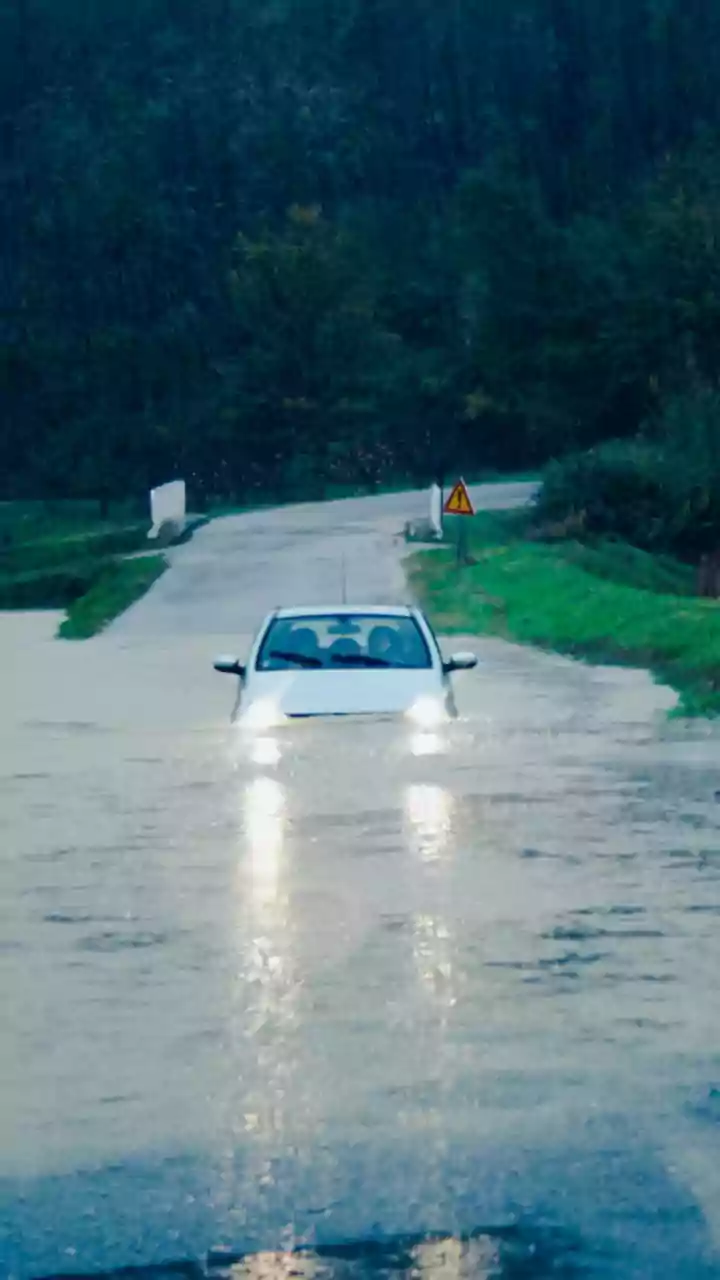
While August is an excellent time to visit, a few practical points are worth noting. It is a popular season, so booking flights and accommodation in advance is highly recommended to avoid high prices and secure your spot. While Ladakh itself is dry, the approach roads—the Manali-Leh and Srinagar-Leh highways—can experience monsoon-related disruptions like landslides or fierce water crossings. Flying into Leh is often the more predictable option for those on a tight schedule. Most importantly, acclimatisation is non-negotiable. Spend at least two full days resting in Leh upon arrival to allow your body to adjust to the high altitude (3,500 metres) before venturing higher. Drink plenty of water, eat light meals, and take it slow to prevent acute mountain sickness (AMS).