


Beyond a Supporting Role
For years, vinegar was the quiet, reliable friend in your pantry. It was there for a quick vinaigrette or a pickling project, but rarely the star of the show. That’s changing. Chefs and savvy home cooks are embracing a new philosophy: vinegar-led cooking.
This isn't about making everything taste sour. Instead, it’s about using acid strategically to build, balance, and brighten flavours, elevating a dish from simply ‘good’ to 'unforgettable.' Think of it as the culinary equivalent of turning up the contrast on a photograph. Suddenly, all the other colours—or in this case, flavours—pop. A fatty piece of pork becomes lighter, a sweet tomato sauce gains depth, and a simple bowl of lentils tastes complex and exciting. By moving vinegar from an afterthought to a core component, you give your food a confident, assertive personality that demands attention.
The Flavour Science of Zing
So, what's the magic behind this transformation? It comes down to the science of taste. Our palates are wired to appreciate balance. Acidity, the defining characteristic of vinegar, is a master of this balancing act. It works in several key ways. First, it cuts through richness and fat. A squeeze of lemon on fried fish or a splash of vinegar in a creamy stew prevents the dish from feeling heavy and one-note. The acid literally cleanses your palate with each bite, making you want to go back for more. Second, it balances sweetness. Think of the sweet-and-sour profile in many Asian cuisines; the vinegar keeps the sugar from becoming cloying. Finally, and perhaps most importantly, acidity makes other flavours sing. It enhances the perception of salt, brings out the subtle herbal notes in a dish, and adds a high note that makes the entire flavour profile feel more complete and three-dimensional. Without enough acid, food can taste flat and muted, like a song with no treble.
A Global Pantry of Pucker
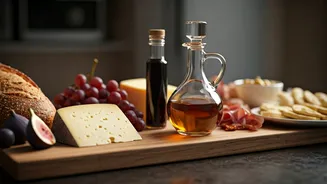
The beauty of this trend is the incredible diversity of vinegars available. Moving beyond basic white distilled vinegar opens up a world of possibilities. Each type brings its own unique character to the party. - **Apple Cider Vinegar:** Fruity, mild, and slightly sweet, this is a versatile workhorse. It’s perfect for pork dishes, slaws, and hearty bean salads. - **Red and White Wine Vinegars:** Made from wine, these carry the characteristics of their base grape. Red wine vinegar is robust and great for beef marinades and bold dressings. White wine vinegar is delicate, ideal for chicken and fish. - **Balsamic Vinegar:** The real deal from Modena is thick, sweet, and complex. A little drizzle can finish everything from roasted vegetables to fresh strawberries. Be wary of cheaper imitations, which are often just wine vinegar with caramel colouring. - **Rice Vinegar:** A cornerstone of Asian cooking, it’s mild, clean, and subtly sweet. Essential for sushi rice, dipping sauces, and light pickles. - **Sherry Vinegar:** This Spanish specialty is nutty, complex, and deeply flavourful. A few drops can transform a soup or a simple plate of grilled mushrooms.
Putting Acid in the Driver's Seat
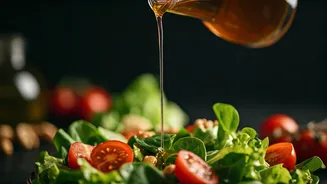
Ready to let vinegar take the wheel? Start by thinking of it at every stage of cooking. In marinades, vinegar not only adds flavour but also helps tenderise meat. For dressings, move beyond the standard oil-to-vinegar ratio and try a more acid-forward version for a punchier salad. One of the easiest ways to start is by using vinegar as a finishing touch. Just before serving a rich soup, a stir-fry, or a pan of roasted vegetables, add a small splash of a good-quality vinegar. Taste the difference immediately—it’s like the dish suddenly wakes up. You can also make a quick pan sauce by deglazing your skillet with a bit of vinegar after searing meat. Scrape up the browned bits, let the vinegar reduce slightly, and you have an instant, flavour-packed sauce. Even drinks are getting the treatment with 'shrubs'—drinking vinegars mixed with fruit and sugar—making a comeback in cocktails and sodas.