





What Are Continuous Glucose Monitors?
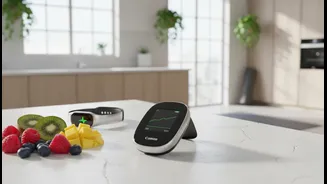
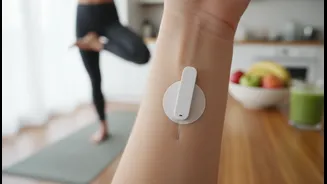
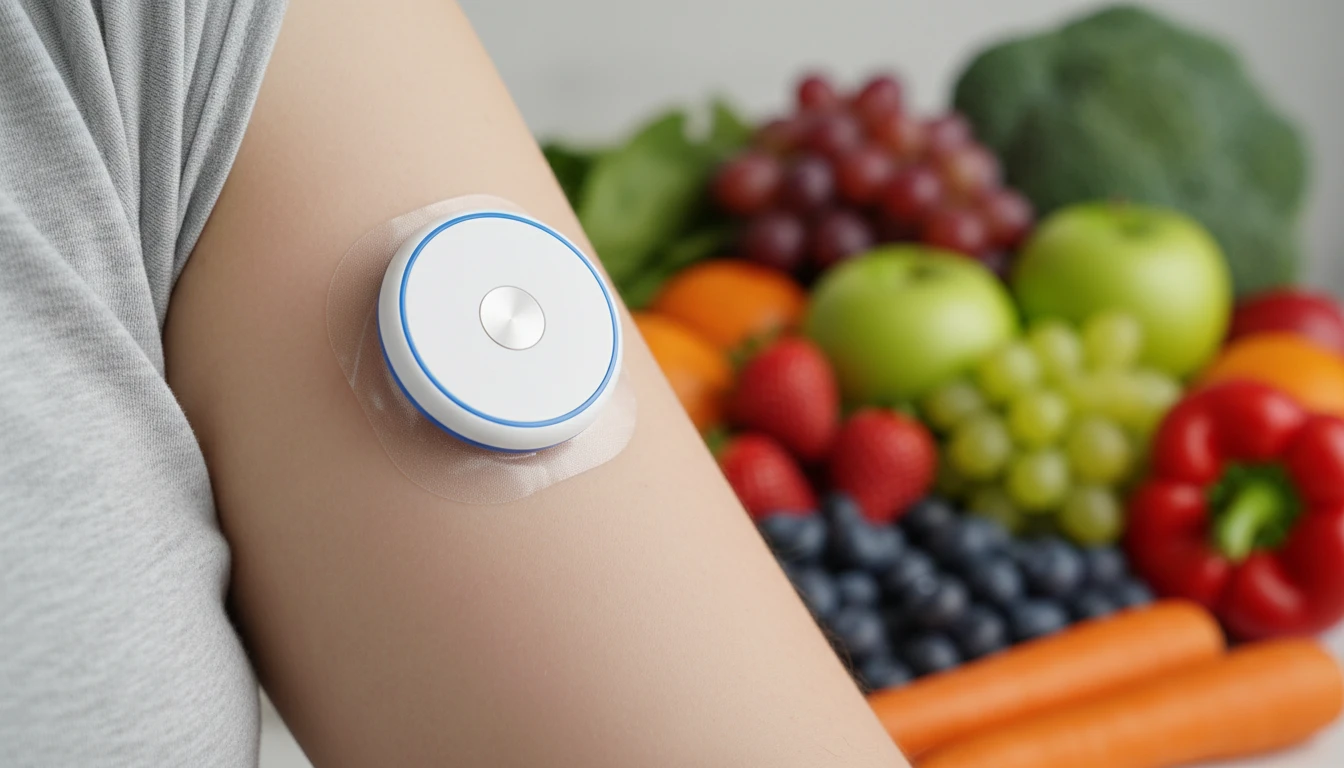
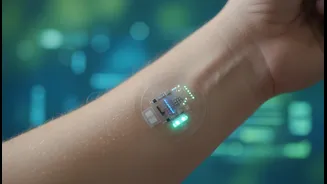
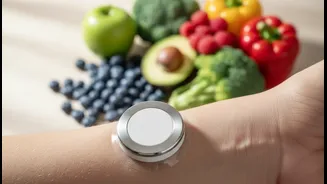
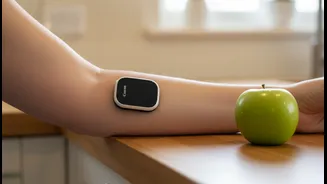
A continuous glucose monitor, or CGM, is a small wearable device that tracks your blood sugar levels in real-time. It uses a tiny, flexible sensor inserted just under the skin to measure glucose in the fluid between your cells, typically sending readings
to a smartphone app every few minutes. Originally developed as a game-changing tool for people with diabetes, CGMs help manage the condition by providing a constant stream of data, reducing the need for frequent finger-prick tests and helping to prevent dangerously high or low blood sugar episodes.
The Rise of a Wellness Phenomenon
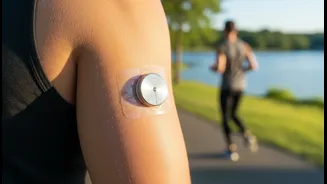
The latest wellness wave, fueled by social media and Silicon Valley biohackers, involves healthy individuals using CGMs to optimize their metabolic health. Proponents claim that by monitoring how their bodies respond to food, exercise, stress, and sleep, they can fine-tune their lifestyles to boost energy, enhance athletic performance, manage weight, and potentially prevent future health issues. Companies like Nutrisense, Levels, and Signos market these devices directly to consumers, often paired with apps and coaching services. Recently, major manufacturers like Abbott and Dexcom have received FDA clearance for over-the-counter versions, making the technology more accessible than ever.
What Do the Experts Say?
While the idea of personalized health data is appealing, many medical experts are skeptical about the widespread use of CGMs in the general population. Endocrinologists point out that blood sugar levels naturally fluctuate throughout the day, and a spike after a meal is a normal physiological response, not necessarily a cause for alarm. For a healthy person, fasting glucose is typically between 70 and 100 mg/dL, and it's normal for levels to rise to around 140 mg/dL after eating before returning to baseline. There is currently little to no strong evidence to suggest that constant monitoring improves long-term health outcomes for people without diabetes. Experts worry that without proper medical context, users might misinterpret normal fluctuations as problems, leading to unnecessary anxiety.
The Downsides: Anxiety, Cost, and Misinformation
Beyond the lack of proven benefits, there are tangible downsides. The constant stream of data can foster health anxiety, encouraging an obsessive focus on numbers and potentially leading to unhealthy eating patterns or unnecessary food restrictions. Furthermore, these devices are not always perfectly accurate and can produce erroneous readings, causing needless worry. The cost can also be a significant barrier, as CGMs are expensive and typically not covered by insurance for non-diabetic use. While some doctors see potential for short-term, guided use in individuals with prediabetes or other risk factors, most do not recommend routine use for the general healthy population.
Focusing on the Bigger Health Picture
The debate over CGMs highlights a broader tension in modern wellness: the drive to quantify everything versus embracing foundational health principles. While a CGM can reveal that a candy bar spikes your blood sugar, most people don't need a sensor to tell them that. Experts suggest that for the average healthy person, focusing on the basics—a balanced diet rich in whole foods, regular physical activity, quality sleep, and stress management—is a more effective and less anxiety-inducing path to good health. Instead of micro-managing a single biomarker, a holistic approach to wellbeing remains the most recommended strategy.