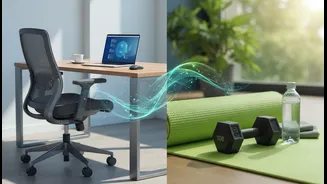








The Problem with Prolonged Sitting
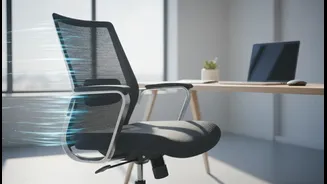
Modern work has shifted to be overwhelmingly sedentary, with many office workers sitting for over seven hours a day. This prolonged inactivity, often dubbed 'sitting disease', poses significant health risks that a weekend workout might not fully erase.
When you sit for long periods, your body's systems slow down. Metabolism drops, circulation becomes less efficient, and the body's ability to regulate blood sugar and blood pressure is negatively affected. Research has linked this sedentary behaviour to an increased risk of serious health issues, including obesity, type 2 diabetes, cardiovascular disease, and even certain types of cancer. The strain is also physical, leading to common complaints like neck pain, shoulder stiffness, and chronic lower back pain.
Why Weekend Workouts Aren't a Cure-All
While being a 'weekend warrior'—cramming your recommended weekly exercise into one or two days—is certainly better than being inactive, it doesn't completely negate the effects of sitting all week. Think of it like this: exercising for an hour doesn't cancel out 14 hours of being stationary. The negative metabolic changes from prolonged sitting happen in real-time. While studies show that weekend warriors can achieve similar long-term benefits in reducing mortality and heart disease risk as those who exercise regularly, they miss out on the crucial, moment-to-moment benefits of daily movement that keep your metabolism active and prevent the stiffness and strain that builds up hour by hour.
The Power of 'Movement Snacks'
The solution isn't to quit your job or spend hours at the gym every day. Instead, focus on integrating small, frequent 'movement snacks' into your workday. This concept is part of what scientists call Non-Exercise Activity Thermogenesis (NEAT), which is the energy we burn from all the movements we do that aren't formal exercise, like walking, fidgeting, and even just standing up. These small activities, accumulated throughout the day, can have a massive impact. Taking short breaks to move every 30 to 60 minutes can boost circulation, improve focus, prevent decision fatigue, and restore motivation. Studies show that regularly interrupting sitting time can help regulate blood sugar, lower blood pressure, and significantly increase your total daily energy expenditure.
Simple Moves to Integrate Today
You don't need a gym or special equipment to get moving. The key is to make it easy and accessible. Start by setting a timer to remind yourself to get up once every hour. Try these simple exercises right at your desk: • Chair Squats: Stand up from your chair and sit back down slowly, but stop just before you touch the seat. Hold for a moment and stand back up. Repeat 10 times. • Desk Push-ups: Place your hands on the edge of your sturdy desk, walk your feet back, and do a set of push-ups against the desk. • Torso Twists: While seated, place one hand on the opposite knee and gently twist your upper body. Hold for 15 seconds and repeat on the other side. • Neck and Shoulder Rolls: Gently roll your head from side to side to relieve neck tension. Circle your shoulders backwards and forwards to loosen up stiffness. • Calf Raises: While standing, simply raise your heels off the floor and hold for a few seconds before lowering them back down.
Building a Lasting Habit
The hardest part of incorporating movement is making it a habit. Start small. Choose one or two activities and aim for consistency. Try 'habit stacking' by linking a movement break to an existing routine, like standing up every time you answer the phone or doing calf raises while waiting for your coffee. If possible, use a standing desk for part of the day, or suggest walking meetings with colleagues. Getting up to refill a smaller water bottle more frequently is another simple trick. The goal is progress, not perfection. By weaving these small bursts of activity into the fabric of your workday, you shift from relying on a weekend promise to building a foundation of daily, consistent wellness.