



The Journey into the Clouds
Leaving the bustling capital of Shillong behind, the road to Cherrapunji (also known as Sohra) immediately begins its ascent into a different world. The monsoon, which blankets this region from roughly June to September, isn't a deterrent; it's the main
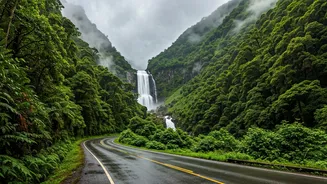
attraction. The air grows cooler, thick with a fine mist that clings to the pine forests and rolls across the highway. This isn't just a drive; it's an immersion into the very meaning of 'Meghalaya'—the abode of the clouds. The roughly two-hour journey is a sensory experience, with the rhythmic drumming of rain on the roof and the scent of wet earth filling the air. Small, unnamed waterfalls spring to life, tumbling down rock faces in a hurry to join the streams below. The drive itself sets the stage for the dramatic beauty that awaits.
First Stop: Mawkdok Dympep Valley
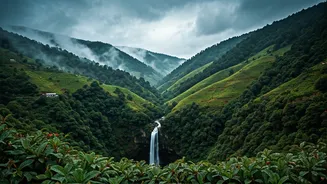
About halfway to Cherrapunji, the road opens up to the breathtaking Mawkdok Dympep Valley Viewpoint. This is often the first true glimpse of the monsoon's power and artistry. From this vantage point, you can look out over a sweeping gorge that is frequently filled with a sea of slow-moving clouds. On a clear day, the lush green hills form a stunning V-shape, but during the monsoon, the view is a mystical play of mist and landscape. For the more adventurous, a zipline across the valley offers a thrilling ride through the fog. This stop serves as a perfect introduction to the grandeur of the Khasi Hills and a popular spot for a hot cup of tea while watching the clouds drift by.
Chasing Roaring Waterfalls
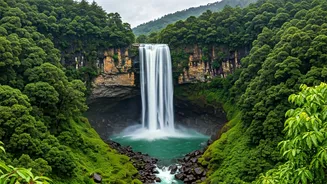
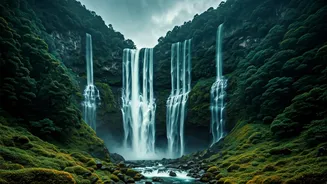
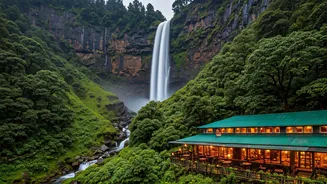
Meghalaya's waterfalls are at their most majestic during the monsoon. Near Cherrapunji, two of India's most famous cascades come alive. The Nohsngithiang Falls, or Seven Sisters Falls, is a spectacular sight where seven distinct streams plunge side-by-side down a wide limestone cliff. During peak rains, these streams merge into a single, thunderous curtain of water. Just a short drive away lies Nohkalikai Falls, India's tallest plunge waterfall. It drops dramatically from a height of 1,115 feet into a turquoise pool below. The monsoon feeds this giant, turning it from a steady stream into a roaring force of nature, often shrouded in the very mist it creates.
Exploring the Mawsmai Cave
For a different kind of natural wonder, the Mawsmai Cave offers a journey underground. This limestone cave is one of the most accessible in Meghalaya, with well-lit passages that allow visitors to explore its ancient stalactite and stalagmite formations. During the monsoon, the experience is heightened as water constantly drips from the cave ceiling, echoing through the chambers and sometimes creating small streams along the floor. It’s a cool, damp world that showcases the slow, patient work of water over millennia. While the main passages are easy to navigate, be prepared for some narrow sections where you may need to duck and squeeze through.
Embracing the Rain in Sohra
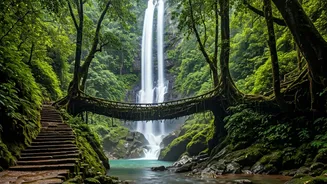
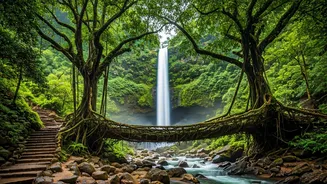
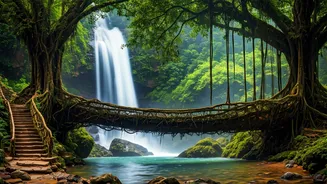
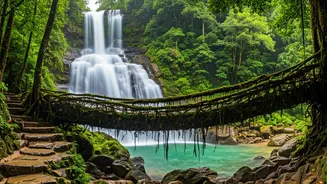
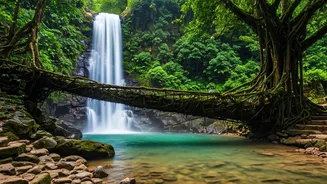
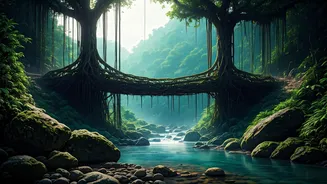
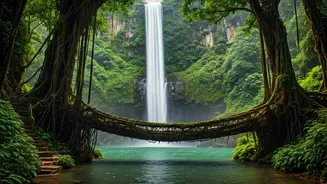
Arriving in Cherrapunji, or Sohra, feels like reaching the epicentre of the rains. Historically one of the wettest places on Earth, the town has a quiet, rain-washed charm. The monsoon defines life here, and visiting during this season means experiencing the region as the locals do. Beyond the famous waterfalls and caves, Sohra is the gateway to the incredible living root bridges, marvels of bio-engineering best witnessed against a backdrop of lush, monsoon greenery. The entire landscape, from the smallest plant to the vastest valley, is saturated with life, making it a photographer's paradise.
Essential Monsoon Travel Tips
A monsoon trip to Meghalaya requires some preparation. Pack a reliable raincoat or poncho, as umbrellas are often no match for the wind and mist. Waterproof shoes with good grip are essential, as paths can be slippery. It's also wise to carry waterproof bags or covers for your electronics. While the rains are heavy, they often come in spells, leaving periods of clear, beautiful weather. Start your sightseeing early in the day to make the most of clearer mornings, as fog tends to build up in the afternoon. Finally, book your accommodation in advance, as this 'off-season' is increasingly popular with those looking to see Meghalaya in its truest form.