


The Rise of the Lighter Treat
Walk through any bustling market or mall in an Indian city, and you’ll see it: bright, cheerful parlours dedicated to frozen yoghurt and artisanal sorbets are drawing crowds. This isn't just a passing trend. It's a fundamental shift in how we approach
dessert. While traditional ice cream, with its rich, creamy decadence, will always have a place in our hearts, many of us are now seeking options that don't leave us feeling heavy. We want the joy of a sweet finish to a meal without the accompanying indulgence guilt. Frozen yoghurt and sorbets perfectly fill this gap, offering a delightful experience that feels both satisfying and refreshingly modern. They represent a move towards mindful eating, where flavour and wellness can coexist in the same delicious scoop.
Frozen Yogurt: Not Just Cold Dahi
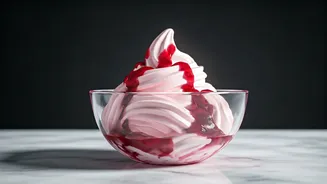
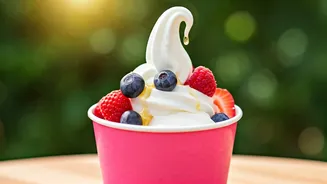
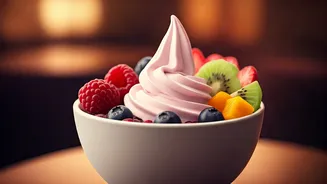
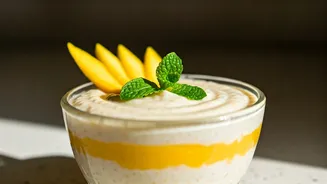
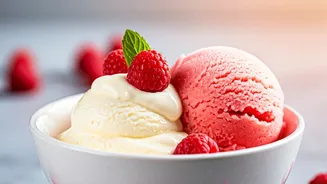
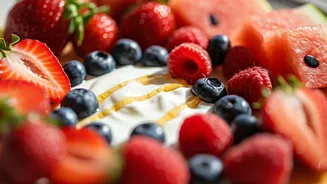
Frozen yoghurt, or 'fro-yo', is much more than just sweetened, frozen curd. Its magic lies in its base of cultured milk, which gives it a signature tangy flavour that beautifully cuts through the sweetness. This process also means that many frozen yoghurts contain live and active cultures (probiotics), similar to those found in regular dahi, which are celebrated for their gut health benefits. The primary difference from ice cream is the fat content. Fro-yo is typically made with milk instead of heavy cream, making it significantly lower in fat. However, it's wise to be mindful of the 'health halo' effect. While the base is lighter, the final calorie and sugar count depends heavily on your choice of toppings. A mountain of chocolate sauce, brownie bits, and candy will quickly turn your light treat into a full-blown decadent dessert. The true beauty of fro-yo lies in pairing its tartness with fresh fruits, nuts, and seeds.
Sorbet: The Power of Pure Fruit
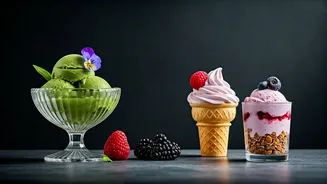
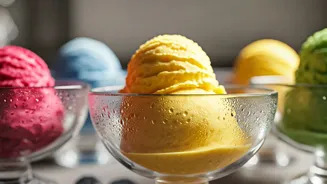
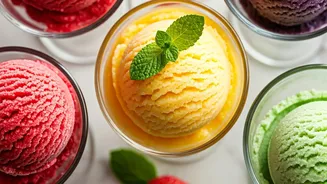
If fro-yo is the tangy cousin of ice cream, sorbet is its vibrant, dairy-free sibling. At its core, sorbet is a simple, elegant creation made from fruit purée or juice, water, and sugar. There's no milk, cream, or eggs, making it a perfect choice for vegans, those with lactose intolerance, or anyone craving a purely fruit-forward flavour. The absence of dairy and fat allows the taste of the fruit to shine through in an intense, unadulterated way. A good mango sorbet tastes like the very essence of a ripe Alphonso, and a lemon sorbet offers a zesty kick that’s incredibly refreshing on a hot day. Its texture is typically icier and lighter than ice cream, serving as an excellent palate cleanser between courses or a wonderfully light dessert. While it is fat-free, sorbet can still be high in sugar, which is necessary to achieve its smooth texture and prevent it from freezing into a solid block of ice.
The Great Dessert Showdown
So, how do they stack up against each other and classic ice cream? Think of it as a spectrum. On one end, you have ice cream, defined by its high butterfat content (at least 10%), which gives it that rich, dense, and creamy texture. In the middle sits frozen yoghurt, offering a similar creaminess but with much less fat and a characteristic tangy undertone. On the other end is sorbet, with zero fat, a lighter, icier texture, and the most intense fruit flavour. When it comes to calories, a plain scoop of fro-yo or sorbet is generally lower than a comparable scoop of premium ice cream. However, the sugar content can be surprisingly similar across all three, as sugar is crucial for both taste and texture. The 'healthiest' choice ultimately depends on your dietary priorities: if you’re cutting fat, sorbet and fro-yo are clear winners. If you’re watching sugar, portion control and mindful topping choices are key for all.
A Canvas for Flavour
Perhaps the biggest reason fro-yo and sorbets are 'dessert goals' is their incredible versatility. They are not just finished products; they are a canvas for creativity. Frozen yoghurt bars have turned customisation into an art form, with endless self-serve toppings ranging from healthy granola and fresh berries to indulgent cookie crumbles and caramel sauce. It’s an interactive and personalised experience. Sorbets, meanwhile, have found a sophisticated role beyond the dessert bowl. Mixologists are blending them into elegant cocktails (like the popular 'frosé' or rosé sorbet spritz), and chefs use sharp, citrusy sorbets as intermezzos in tasting menus to cleanse the palate. This adaptability proves they are more than just an ice cream alternative—they are a distinct and exciting dessert category in their own right.