


Prep Your Pots and Beds
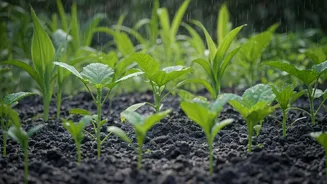
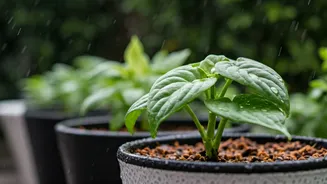
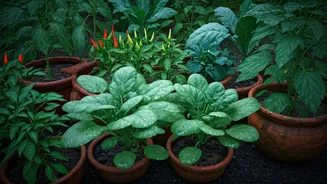
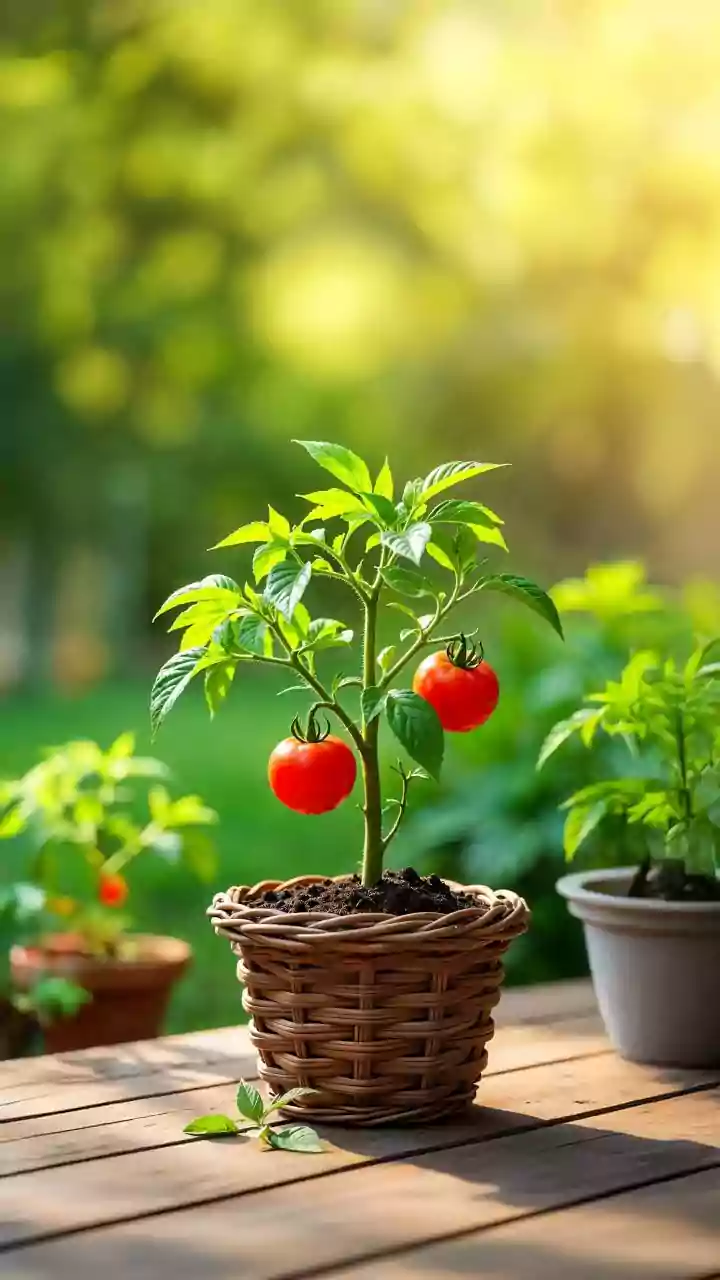
The single biggest enemy of a monsoon garden is waterlogging. Constant rain can saturate the soil, starving roots of oxygen and leading to rot. Your first task is to ensure excellent drainage. For potted plants, check that every container has at least
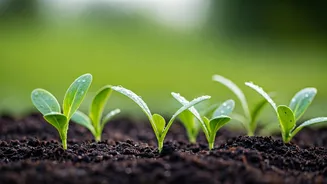
one, if not several, drainage holes at the bottom. If you're planting in ground beds, elevate them slightly by adding a mix of soil, compost, and coarse sand. This creates a raised platform that allows excess water to run off. A light, well-aerated potting mix is non-negotiable. A good combination is one part garden soil, one part compost or cocopeat, and one part perlite or sand. This structure prevents compaction and keeps the roots healthy even during the heaviest downpours.
Choose Your Monsoon Champions
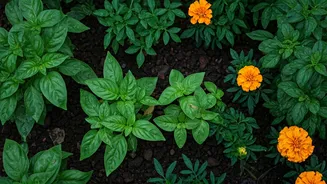
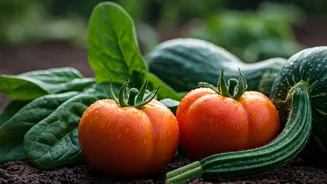
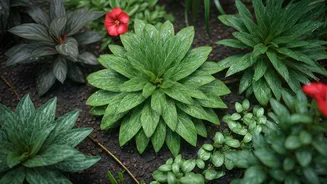
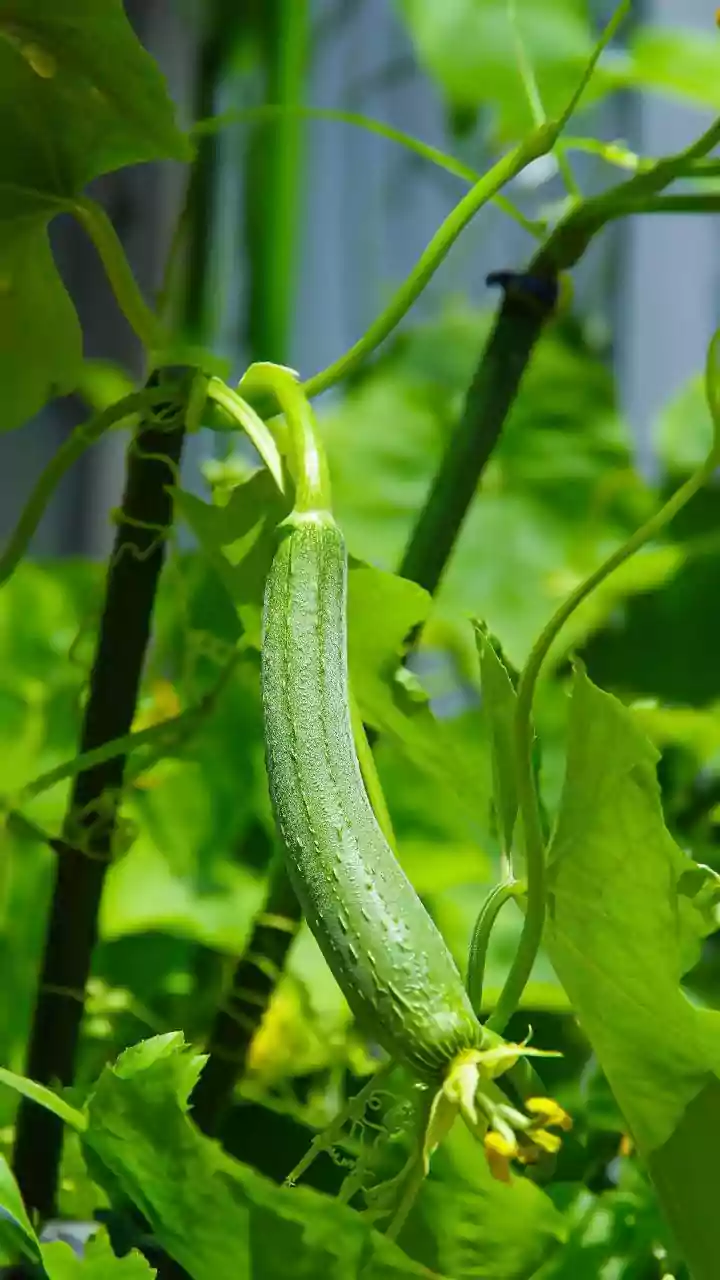
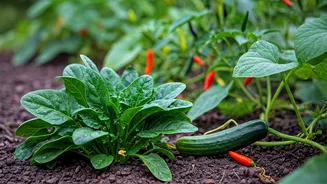
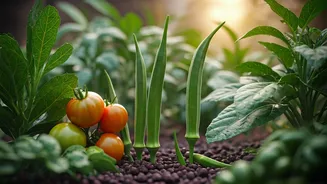
Not all plants thrive in high humidity and lower light conditions. The key is to select species that are well-adapted to the Indian monsoon. For vegetables, this is the prime time for leafy greens and gourds. Consider planting spinach (palak), amaranth (chaulai), bottle gourd (lauki), ridge gourd (tori), and cucumber (kheera). They grow vigorously with ample water. It's also a fantastic season for herbs like mint, basil, and lemongrass. When it comes to flowers, monsoon favourites include the ever-reliable balsam, vibrant hibiscus, marigolds, zinnias, and the beautifully fragrant jasmine (mogra). These plants are not only resilient to heavy rains but their blooms often seem more vivid against the grey skies. Avoid planting succulents or cacti outdoors, as they are highly susceptible to rot in this season.
Rethink Your Watering Schedule
It might sound counterintuitive, but you still need to monitor your plants' water needs during the monsoon. Don't assume the rain is doing all the work. Sometimes, a plant's dense foliage can act like an umbrella, preventing rainwater from ever reaching the soil. Similarly, plants on covered balconies or under eaves will get no rain at all. The rule is simple: touch the soil. If the top inch feels dry, it's time to water. However, always water in the morning. Evening watering can leave foliage wet overnight, creating a perfect breeding ground for fungal diseases, which are rampant during the humid monsoon months. For most outdoor plants, you can significantly reduce manual watering, but never eliminate it from your checklist entirely.
Guard Against Pests and Disease
High humidity is an open invitation for pests and fungal infections. Slugs and snails will be on the move, so it's wise to inspect your plants regularly, especially after a downpour. Fungal issues like powdery mildew and black spot are also common. The best defence is good air circulation. Avoid overcrowding your plants; give them space to breathe. Prune any yellowing or diseased leaves immediately to prevent the problem from spreading. For a safe and effective organic fungicide, you can create a spray by mixing a small amount of neem oil with a few drops of liquid soap in water. Spray this solution on the leaves (both top and bottom) every 10-15 days as a preventative measure.
Provide Support and Shelter
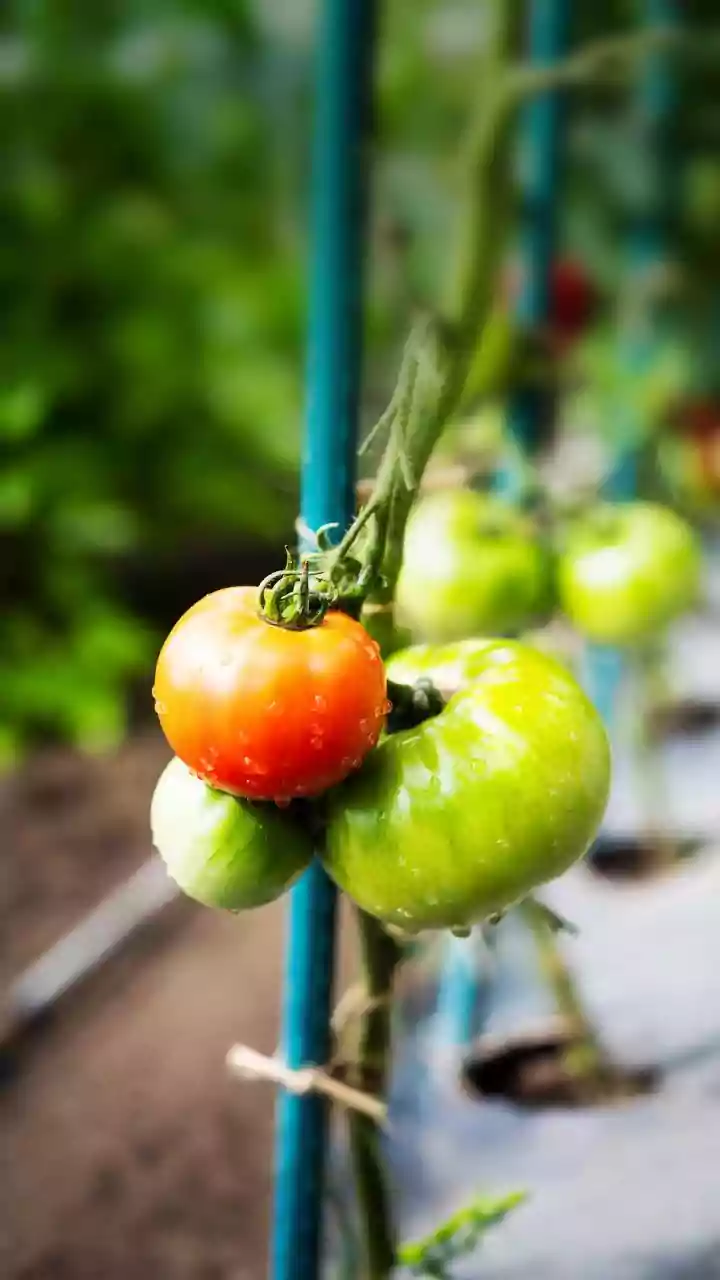
Monsoon winds and torrential rains can be brutal on delicate plants. Taller plants and climbers, like tomato vines or gourds, will need sturdy support. Install stakes, trellises, or cages early on to guide their growth and prevent stems from snapping in the wind. For more fragile potted plants, consider moving them to a more sheltered location during periods of exceptionally heavy rain or strong gusts. A covered patio, a balcony with an overhang, or a spot near a wall can offer enough protection to prevent physical damage. A little bit of structural support goes a long way in ensuring your plants survive the season intact and continue to produce.