

The Real Cost of Fast Fashion
Fast fashion operates on a model of speed and disposability, churning out new styles at a dizzying pace. This cycle encourages a 'buy and throw away' culture, leading to enormous environmental consequences. The industry is one of the world's largest consumers
of water and is responsible for a significant portion of global carbon emissions, more than international flights and maritime shipping combined. Most of these garments are made from synthetic fibres like polyester and nylon, which are derived from fossil fuels. When washed, these fabrics shed microplastics that pollute our oceans, and when discarded, they can take centuries to biodegrade in landfills. Beyond the environmental toll, the business model often relies on worker exploitation in low-income countries to keep prices low.
Weaving a Gentler Way Forward
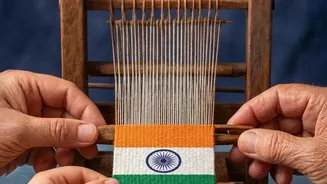
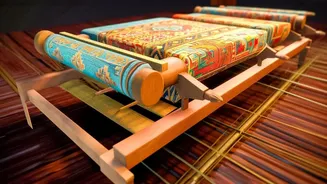
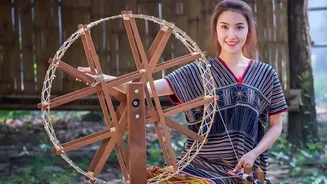
In stark contrast to the industrial hum of power looms, handloom weaving is a process powered by human hands. It's an art form passed down through generations, where a weaver uses a manually operated loom to interlace threads, creating a single piece of fabric. This method is inherently slow and deliberate. It represents the core of the 'slow fashion' movement, which advocates for higher quality, longevity, and a more mindful approach to what we wear. By its very nature, handloom production is small-scale, producing unique pieces rather than mass-market duplicates. This focus on craftsmanship over sheer volume offers a direct antidote to the wastefulness of fast fashion.
A Lighter Footprint on the Planet
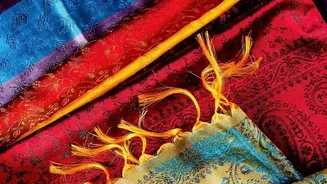
The environmental benefits of choosing handloom are clear and compelling. First, the process requires minimal to no electricity, drastically reducing its carbon footprint compared to energy-guzzling power looms. Second, handloom sarees are typically woven from natural, biodegradable fibres like cotton, silk, and jute. Furthermore, many artisan communities still use natural dyes derived from plants and minerals, such as indigo for blues, madder root for reds, and turmeric for yellows. These traditional dyeing methods avoid the toxic chemical runoff associated with synthetic dyes, which is a major source of industrial water pollution worldwide.
Supporting Artisans and Heritage
Beyond its environmental credentials, the handloom sector is a cornerstone of India's rural economy. It is the country's second-largest employer after agriculture, providing livelihoods for millions of weavers and allied workers, a significant majority of whom are women. When you buy a handloom saree, you are not just purchasing a garment; you are investing in an artisan's livelihood, helping to sustain their family, and preserving invaluable cultural heritage. In an era where machine-made imitations threaten to erase traditional skills, choosing authentic handloom is a vital act of support for these craft communities.
Style That Lasts a Lifetime
Fast fashion is about fleeting trends, but a handloom saree is about timeless personal style. Each piece is unique, with subtle variations that are a hallmark of human craftsmanship. A handloom saree is an investment in quality and durability. Unlike clothes designed to be worn for a single season, these sarees are made to last, often becoming cherished heirlooms passed down through generations. The unstitched, versatile nature of the saree means it can adapt to a changing body over a lifetime, representing a truly sustainable form of dressing. It encourages a 'buy less, choose well' philosophy, building a wardrobe of pieces that you can love and wear for years to come.