





Why the Night Sky Matters Now
Our days are saturated with artificial light, from the glow of our phones to the glare of streetlights. This constant illumination not only disconnects us from the natural rhythm of day and night but also contributes to stress and mental fatigue. Stargazing
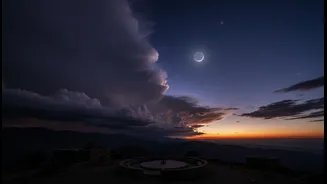
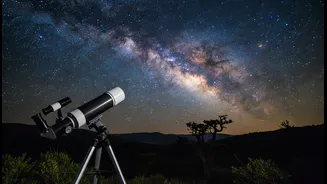
offers a powerful antidote. It’s an act of quiet rebellion against the tyranny of the urgent. By simply looking up, you engage in a practice that has captivated humans for millennia, fostering a sense of wonder and perspective. It costs nothing, requires no special skills to start, and provides a much-needed pause. Allowing your eyes to adjust to the darkness and your mind to wander among the stars can be a deeply meditative experience, reminding you of a universe far grander than your immediate worries.
Your Celestial Calendar: August 2026
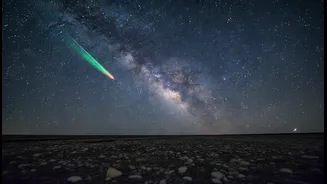
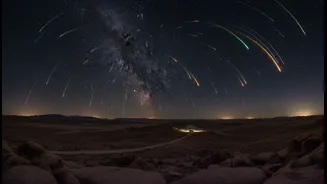
August is shaping up to be a spectacular month for skywatchers in India. The main event is the Perseid meteor shower, one of the best of the year. It will be active from mid-July to late August, but the best time to watch will be during its peak on the pre-dawn mornings of August 12th and 13th. Expect to see between 50 to 100 meteors per hour in a dark location. What makes this year exceptional is that the peak coincides with a new moon, guaranteeing the darkest possible skies for a brilliant show. Look for the meteors to radiate from the constellation Perseus, but they can appear anywhere in the sky. Also in August, look for a stunning six-planet alignment in the pre-dawn hours of August 12th, featuring Jupiter, Mercury, Mars, Uranus, Saturn, and Neptune. While Mars and Saturn will be bright, you may need binoculars for the others.
Getting Started: No Telescope Needed
The beauty of stargazing is its simplicity. You don't need expensive equipment to begin your journey. The most essential tool is patience. Find a comfortable spot, perhaps with a blanket or a reclining chair, and give your eyes at least 20 to 30 minutes to fully adapt to the darkness. During this time, avoid looking at your phone, as the white light will ruin your night vision. If you need light, use a red torch. Start by simply observing. Notice how some celestial bodies twinkle (stars) while others shine with a steady light (planets). You can easily spot the five naked-eye planets: Mercury, Venus, Mars, Jupiter, and Saturn. For guidance, use a stargazing app like SkyView or Star Walk on your phone, but be sure to use its red-light mode to preserve your night vision.
Finding a Dark Spot
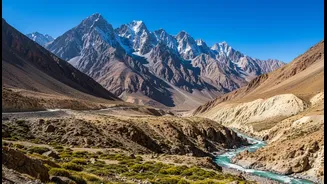
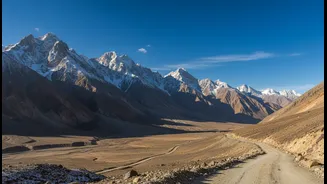
The biggest obstacle for most urban stargazers is light pollution. City skies can wash out all but the brightest stars and planets. But finding a good viewing spot might be easier than you think. While India's first official Dark Sky Reserve is in Hanle, Ladakh, you don't need to travel that far. Many regions offer excellent stargazing opportunities. In the monsoon season, rain-shadow areas like Ladakh, Spiti, and the Rann of Kutch offer clearer skies for events like the Perseids. For those in South India, the hills of Coorg, the estates around Yercaud, or the Anamalai Tiger Reserve near Valparai are great options. Even a local park, a quiet beach, or a short drive away from city limits can make a significant difference. The goal is to find a location with an unobstructed view of the sky, away from direct streetlights and building lights.
More Than Just Stars
Once you start looking up, you'll notice the sky is more dynamic than you imagined. Beyond stars and planets, keep an eye out for satellites. The International Space Station (ISS) is often visible as a very bright, steady light moving silently and quickly across the sky. It's best seen shortly after sunset or before sunrise when it's still illuminated by the sun against a dark sky. Websites and apps from NASA can provide a schedule for when the ISS will be visible from your specific location. You might also spot a train of satellites, like SpaceX's Starlink, appearing as a string of pearls gliding across the night. These sights add another layer of fascination to your nightly observations, blending ancient starlight with modern human achievement.