





The Potent Flavour of Nostalgia
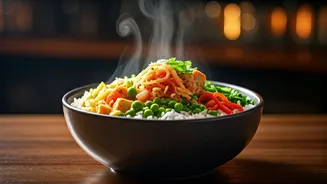
There's a reason why the smell of freshly baked bread or the taste of a simple dal can transport you back in time. Food is intrinsically linked to memory. Scientists call this phenomenon 'flavour-evoked autobiographical memory,' a powerful connection
where tastes and smells trigger vivid personal recollections. Unlike other memories, these are often intensely emotional, tapping into feelings of comfort, safety, and belonging associated with childhood. This isn't just a sentimental notion; it's a deep-seated psychological response. The flavours we grew up with form a core part of our identity. In an increasingly fast-paced and globalised world, this yearning for the familiar and authentic has become a powerful cultural undercurrent. It’s this emotional goldmine that the culinary world has begun to excavate with surprising and delicious results.
From Home Kitchen to Haute Cuisine
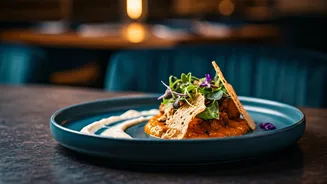
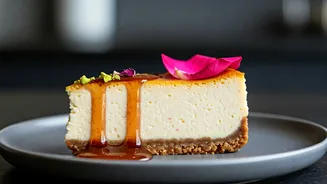
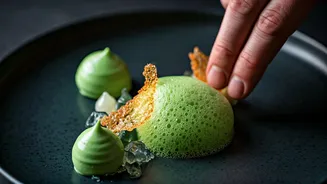
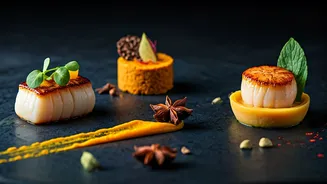
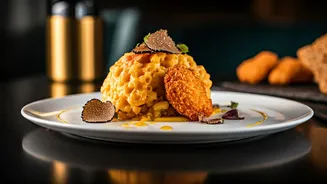
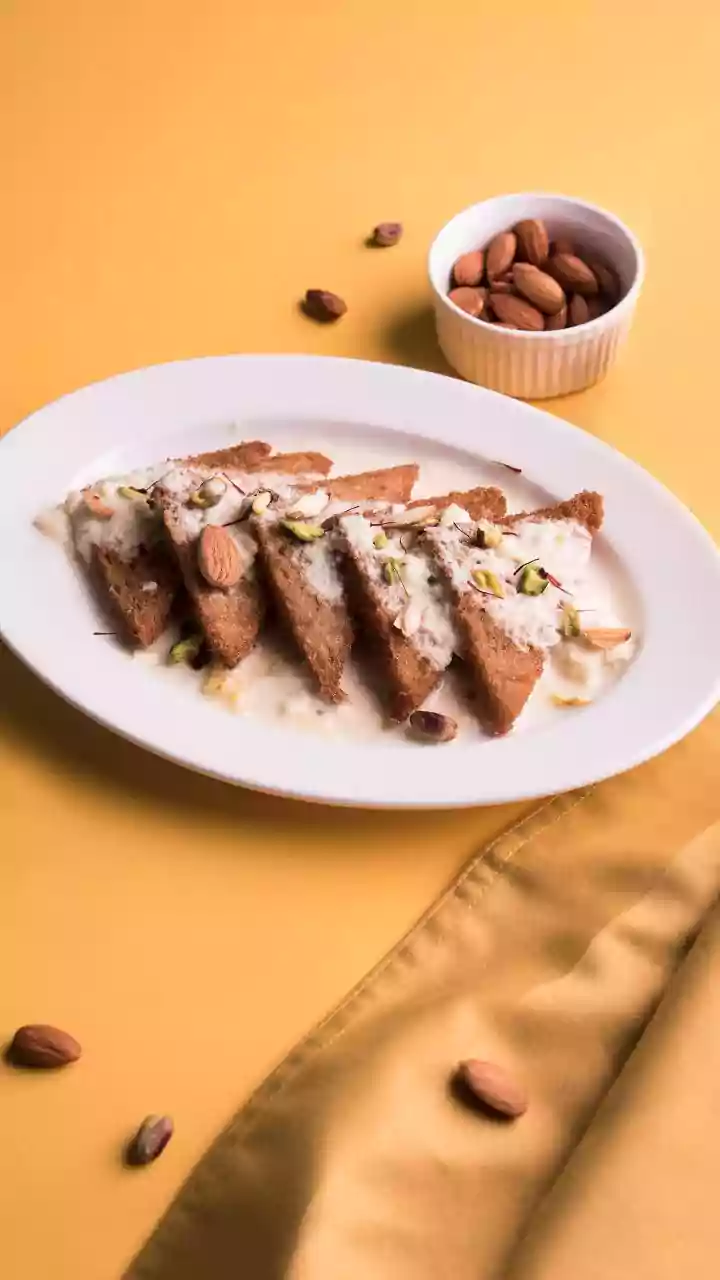
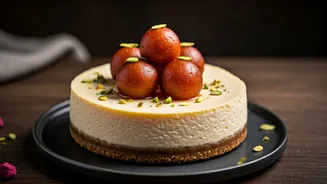
So, how does a simple, home-style dish like khichdi or rajma chawal make its way onto a premium menu? The answer lies in reinterpretation. Chefs aren't simply replicating old recipes; they are deconstructing and reimagining them using modern techniques and high-quality, often locally sourced, ingredients. Think of a humble dahi vada transformed into a light, aerated yoghurt foam with tamarind gel and crispy boondi dust. Or consider gajar ka halwa presented as a delicate carrot crémeux with candied nuts and cardamom-spiced ice cream. The soul of the dish—the familiar flavour profile that sparks the memory—remains intact. However, the execution is elevated to a fine-dining standard, offering a novel experience that is both comforting and surprising. It’s a delicate balancing act: paying homage to tradition while showcasing culinary innovation. This approach allows diners to reconnect with a cherished memory in a completely new and luxurious way.
A Smart Strategy in a Crowded Market
This trend isn't just about creative expression; it's also a savvy business move. The restaurant industry is notoriously competitive. In a world where diners have endless options, nostalgia provides a unique selling proposition (USP) that goes beyond just good food. It creates an emotional connection. When a restaurant's menu tells a story that resonates with a diner's personal history, it fosters a sense of loyalty and engagement that is hard to replicate. This emotional hook can also justify a premium price point. Diners aren't just paying for ingredients and labour; they are paying for an experience—a curated trip down memory lane. For chefs, it’s a way to build a distinctive brand identity rooted in personal narrative and cultural heritage, setting their establishments apart from the crowd. It turns a meal into a memorable event, encouraging word-of-mouth marketing and repeat visits.
The Architects of Modern Memory
Across India and the globe, visionary chefs are pioneering this movement. Restaurants like Indian Accent in New Delhi have long been celebrated for their inventive approach to nostalgic Indian flavours, turning street food and home-style staples into gourmet art. Chef Manish Mehrotra’s menu is a masterclass in this, with dishes that playfully wink at a collective Indian childhood. Similarly, restaurants focusing on regional Indian cuisine are digging deep into their community's culinary archives. They are unearthing forgotten recipes and presenting them in a contemporary context, preserving heritage while pushing boundaries. These chefs act as cultural custodians and innovators simultaneously. They research traditional cooking methods, speak with elders to understand the context of a dish, and then use their technical skill to present it to a new generation of diners. Their work ensures that these food memories are not just preserved but are alive, evolving, and relevant.
Authentic Homage or Clever Gimmick?
With any popular trend, there's always the risk of dilution. Some critics question whether every 'Grandma's recipe' on a high-end menu is a genuine tribute or merely a marketing ploy to cash in on the nostalgia wave. The line between authenticity and gimmickry can be thin. The success of a nostalgia-driven dish ultimately depends on its integrity. Does it taste true to the spirit of the original? Is the story behind it genuine? When executed with sincerity and skill, it feels like a heartfelt homage. The dish resonates because the chef's own memory and respect for the tradition shine through. However, when it’s just a label slapped onto a generic dish, diners can sense the inauthenticity. The most successful examples are those where the emotional and culinary elements are in perfect harmony, creating an experience that feels both personal and masterfully crafted.