







What Is This Mass Event?
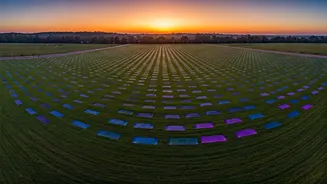
Imagine millions of people across the country, from school auditoriums in Kerala to community parks in Delhi, moving in unison. That's the vision behind the synchronized mass Surya Namaskar initiative. Spearheaded by the Ministry of Ayush and supported
by numerous yoga and cultural organisations, the event aims to bring citizens together to perform the 'Sun Salutation' sequence at a designated time. While smaller events are common, these large-scale, coordinated efforts are designed to make a national statement about wellness, heritage, and collective spirit. Often timed to coincide with culturally significant dates like Makar Sankranti or International Day of Yoga, the goal is not just physical activity but a shared national experience.
The Power Behind the Push
Such a monumental undertaking doesn't happen spontaneously. The driving force is typically the Government of India's Ministry of Ayush, which is dedicated to promoting traditional systems of medicine and wellness. For events like these, the ministry partners with a vast network of institutions, including the National Yogasana Sports Federation, Patanjali Yogpeeth, Art of Living, and dozens of other yoga schools and spiritual organisations. Their combined objective is multifaceted: to promote yoga as a tool for physical and mental well-being, to preserve and celebrate India's cultural heritage, and to foster a sense of national unity. Past initiatives, such as the '75-crore Suryanamaskar project', set ambitious goals to get millions involved, showcasing a serious commitment to mainstreaming this ancient practice.
More Than Just a Stretch
For the uninitiated, Surya Namaskar might just look like a series of stretches. But it's a deeply meaningful and holistic practice. The name translates to 'Sun Salutation', and it's a sequence of 12 yoga postures (asanas) performed in a continuous, flowing cycle. Each posture has a specific physical benefit, working everything from your spine to your cardiovascular system. The sequence is designed to be a full-body workout that builds strength, flexibility, and stamina. Beyond the physical, it holds spiritual significance. It is traditionally practiced at sunrise as a way of expressing gratitude to the sun, the source of all life and energy on Earth. The rhythmic breathing (pranayama) synchronized with the movements helps calm the mind, making it a meditative practice as much as a physical one.
The Significance of the Timing
The choice of 'this Sunday' is rarely random. These events are often strategically timed to coincide with auspicious moments in the Indian calendar. A popular date for mass Surya Namaskars is Makar Sankranti. This festival marks the sun's transition into the zodiac sign of Capricorn (Makara) and the beginning of longer, warmer days. It is, at its core, a festival dedicated to the Sun God, Surya. Performing the Sun Salutation on this day is seen as a particularly powerful way to honour this celestial body and align oneself with the natural cycles of the universe. By anchoring the event to such a widely celebrated festival, organisers tap into a deep-rooted cultural current, making participation feel less like a government initiative and more like a natural, communal celebration.
A Blend of Tradition and Technology
Coordinating millions of people is a logistical challenge, but modern technology plays a crucial role. To track participation and create a sense of a unified event, organisers often launch dedicated web portals. Participants are encouraged to register online, pledge their participation, and sometimes even upload videos of themselves or their group performing the asanas. These digital platforms serve a dual purpose: they provide an official count to measure the event's success while also fostering a digital community. It's a fascinating blend of the ancient and the modern—a thousands-of-years-old practice being mobilised and measured through 21st-century technology, proving that tradition can evolve and thrive in the digital age.