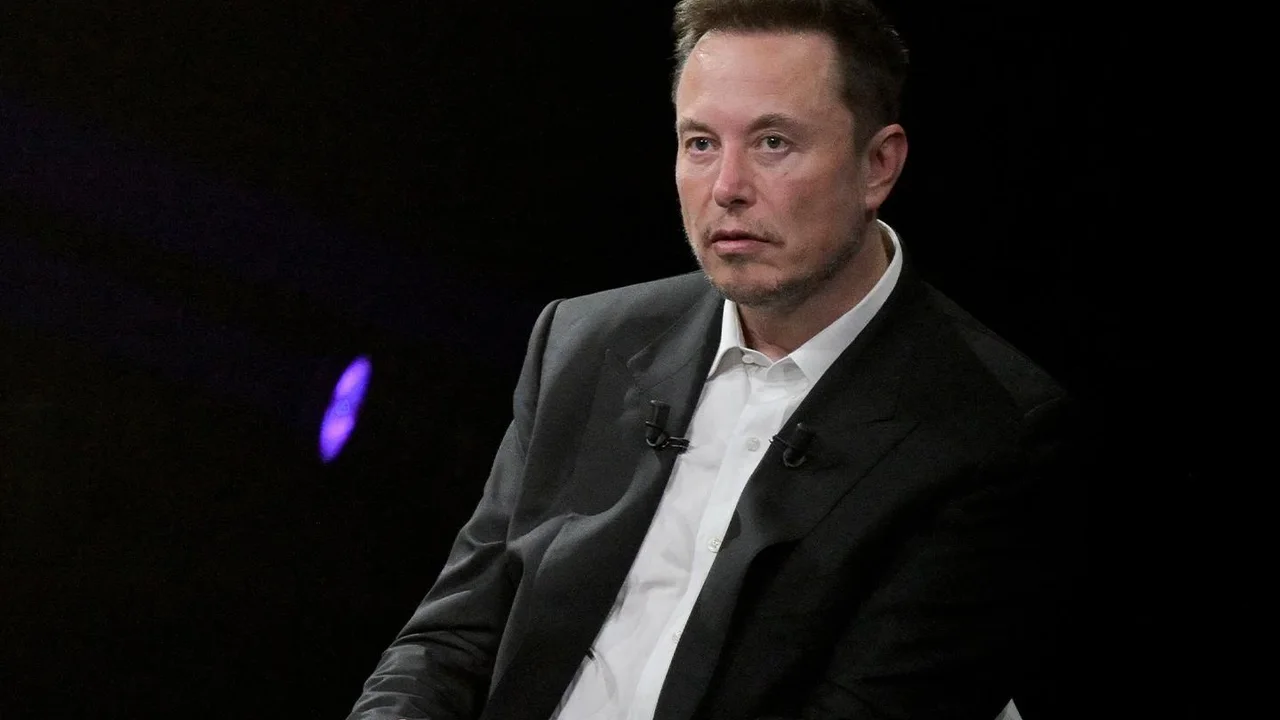







The artificial intelligence boom is creating an insatiable demand for electricity, pushing global power grids to their limits. Elon Musk has a characteristically bold solution: launch data centres into space. But is this sci-fi vision a real possibility?
The AI Energy Crisis on Earth
The rapid expansion of artificial intelligence is running into a hard physical wall: power. Data centres, the backbone of AI, are incredibly energy-intensive. By 2026, global data centre electricity consumption is projected to surge significantly, with AI-specific servers driving the majority of that growth. This demand is already straining power grids in key regions and creating multi-year backlogs for new connections. Companies are struggling to find enough electricity to power their ambitions, leading to a race for solutions. Some are even building their own natural gas power plants just to keep up, a strategy Musk's own companies are employing on the ground. It's this terrestrial bottleneck that makes the idea of moving infrastructure off-planet seem, at least to some, less like a fantasy and more like a long-term necessity.
An Audacious Proposal: Data Centres in Orbit
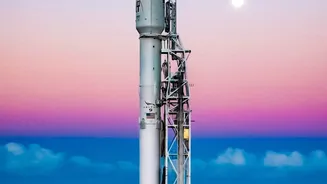
Elon Musk's concept, tying together his ventures in space and AI, involves using SpaceX's launch capabilities to deploy a constellation of satellite data centres. These orbital platforms would be powered by near-constant sunlight, bypassing Earth's congested grids and land-use disputes entirely. The vision leverages SpaceX's Starship, the most powerful rocket ever built, which is designed to carry over 100 metric tonnes to orbit in a reusable configuration. This heavy-lift capability is crucial, as it could theoretically make launching the components for a data centre—servers, solar panels, and cooling systems—economically feasible. Musk has suggested that initial test payloads could launch as early as late 2027, with the ambitious goal of eventually making space the most cost-effective place for AI computing.
The Sobering Engineering Challenges
Despite the bold vision, the engineering hurdles are immense. One of the biggest problems is heat. On Earth, data centres use air and water for cooling, but in the vacuum of space, heat can only be dissipated through radiation. Effectively cooling racks of high-performance processors would require enormous radiator surfaces, adding significant mass and complexity to any satellite design. Another major issue is radiation. Space is filled with high-energy particles that can disrupt electronics, causing 'bit-flips' and other errors that are unacceptable for critical AI computations. Shielding against this radiation adds more weight, which in turn increases launch costs. Finally, there's the question of maintenance. If a component fails on a satellite, it can't be easily repaired by a technician, making reliability and remote servicing paramount but incredibly difficult to achieve.
The Economics of Space_Based Compute
Beyond the technical questions, the financial case remains a significant challenge. According to one analysis, building a hypothetical 1ndigawatt orbital data centre could cost over three times as much as an equivalent facility on the ground. The majority of that cost—roughly 60%—is tied to launch and satellite expenses. For space_based data centres to become cost_competitive with terrestrial ones, launch costs would need to fall dramatically, by as much as 70%. While SpaceX's reusable Starship is designed to drastically lower the cost of accessing space, it has yet to reach the flight cadence and price point needed to make this economic equation work. Until then, the trillions of dollars in projected investment will continue to flow into building more data centres here on Earth, even with all their associated problems.