







Pack Smart, Not Just More
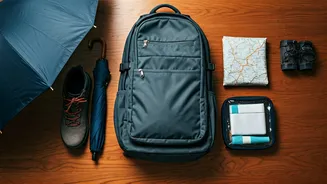
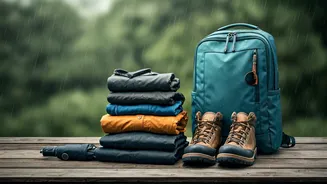
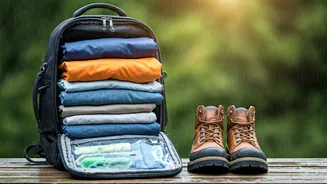
When packing for a monsoon trip, the goal is to stay dry and comfortable without hauling a heavy suitcase. Prioritise synthetic fabrics like nylon and polyester over cotton and denim; they are lightweight and dry much faster. [16] A sturdy, lightweight raincoat
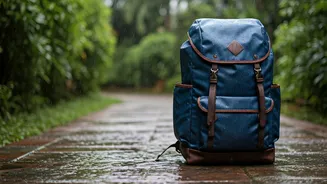
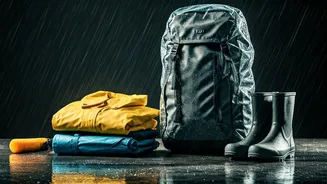
or poncho is non-negotiable. [15] It's also wise to pack at least two pairs of waterproof or water-resistant footwear with good grip to avoid slips and the discomfort of soggy feet. [15] Think waterproof sandals or floaters for city walking and quick-dry trail shoes for more adventurous terrain. [7] Packing your belongings inside a waterproof backpack or using a reliable rain cover is essential to keep everything dry. [14] Dark-coloured clothing is a practical choice, as it won't show mud splashes as easily. [5]
Secure Your Electronics and Documents
Water and electronics are not friends. To avoid a costly mishap, take simple precautions. Waterproof cases or pouches are a great investment for your smartphone, camera, and other gadgets. [20] For a budget-friendly alternative, heavy-duty zip-seal bags can provide a surprising amount of protection against rain and splashes. [18, 26] It’s a good practice to 'double-bag' your most important items: place them in a zip-seal bag first, then inside a waterproof backpack or dry bag. [25] Don't forget your documents; keep your passport, tickets, and IDs in a separate waterproof pouch. [7] Having digital copies stored on your phone and a cloud service also provides a crucial backup.
Prepare Your Vehicle for Wet Roads
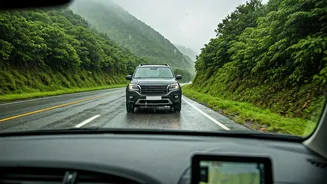
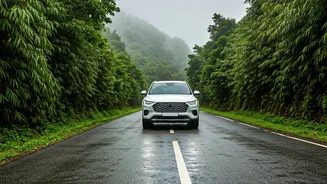
If you're planning a road trip, a pre-monsoon vehicle check is critical for safety. Ensure your tyres have adequate tread depth—at least 3 mm is recommended—to maintain grip on slippery roads. [17] Check that your brakes are in top condition, as braking distances increase significantly on wet surfaces. [10, 9] Functioning wiper blades are vital for visibility, so replace them if they're worn out. [17] Also, ensure all your lights are working, especially your low-beam headlights, which you should use during the day in heavy rain to make your vehicle more visible to others. [4, 9] It’s a bad practice to use hazard lights while moving, as it can confuse other drivers into thinking you are stationary. [10]
Drive with Caution and Patience
Driving during the monsoon requires a more conservative approach. Reduce your speed significantly, especially during the first rains of the season when roads are oiliest and most slippery. [17] Maintain at least double the usual following distance from the vehicle in front of you to allow for longer braking distances. [10] Be wary of waterlogged streets; you can't be sure of their depth or hidden potholes. [4, 17] If you must cross a flooded area, stay in a low gear and keep the engine revs up to prevent water from entering the exhaust, but it's always safer to find an alternate route. [9] Never restart a stalled engine in a waterlogged area, as this can cause permanent damage. [4]
Prioritise Your Health and Hygiene
The rainy season can bring an increased risk of water-borne and vector-borne diseases. Be cautious about what you eat and drink. Avoid street food that has been left in the open and stick to freshly cooked meals. [12, 21] Drink only bottled, boiled, or purified water to prevent stomach infections. [12, 19] Mosquitoes are abundant during the monsoon, so use a good insect repellent, wear long-sleeved clothing, and consider using a mosquito net if you're in a high-risk area. [19, 21] Always carry a basic first-aid kit with essentials like antiseptic wipes, bandages, pain relievers, and medication for diarrhoea or allergies. [6, 19]