





From Spice Coast to Global Stage
In a significant nod to the state's culinary prowess, Lonely Planet featured Kerala's food culture in its prestigious list of the 25 Best Travel Experiences for 2026. Titled 'Dig in to Kerala's Culinary Culture', the entry celebrates the region as a haven
for gastronomic adventurers and was the only experience from India to make the list. This isn't a one-off mention. Platforms like Taste Atlas have also been mapping the intricate details of Keralite food, ranking its dishes and highlighting iconic restaurants, bringing global attention to local favourites. This growing recognition marks a proud moment, confirming that the appeal of God's Own Country extends far beyond its backwaters and beaches to its vibrant, flavour-packed dining tables.
What Makes Kerala's Cuisine Irresistible?
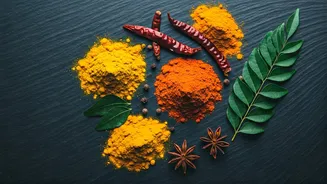
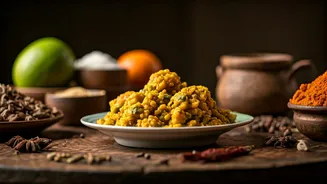
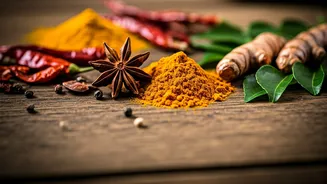
The global fascination with Kerala's food is rooted in its authenticity and diversity. The cuisine is a delicious reflection of its geography, history, and culture. The ancient spice trade put Kerala on the world map centuries ago, with traders seeking its black pepper, cardamom, and cloves. Those same spices remain the backbone of its cooking, creating layered and aromatic—but not overwhelmingly hot—dishes. The abundant use of coconut in all its forms (milk, oil, grated) lends a creamy texture and mild sweetness that balances the spices. Furthermore, there is no single 'Kerala cuisine'. The state boasts enormous regional variety, from the rich, meat-heavy Mappila (Moplah) dishes of the Malabar north, influenced by Arab traditions, to the milder, coconut-based stews of the south, often paired with fluffy appams.
The Stars of the Plate
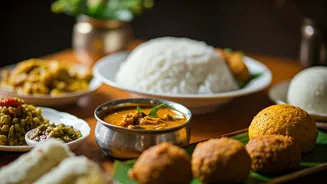
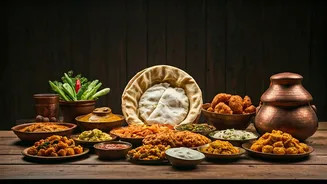
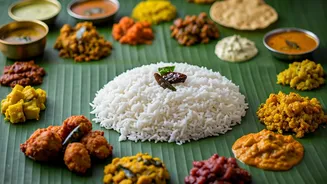
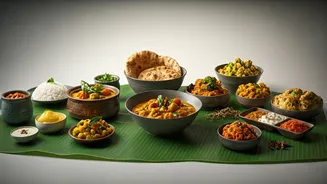
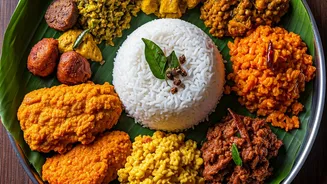
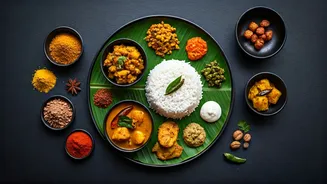
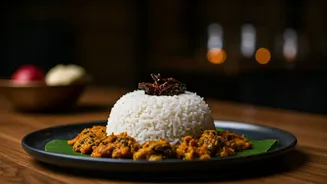
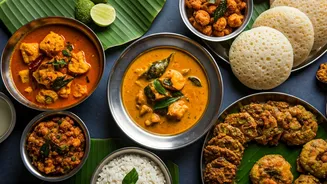
While the entire culinary landscape is being celebrated, a few key dishes have become global ambassadors. The 'Sadhya', a traditional vegetarian feast served on a banana leaf, is a cultural ritual in itself, showcasing a multitude of flavours from tangy pickles to sweet payasam. Lonely Planet specifically praises this experience as capturing the region's food-loving soul. Other dishes gaining fame include Appam, the soft, lacey rice pancake, often paired with a mild vegetable or meat stew. Seafood dishes like 'Karimeen Pollichathu' (pearl spot fish marinated in spices and grilled in a banana leaf) highlight the bounty of the coast. And from the Malabar region, the Thalassery Biryani offers a unique, fragrant alternative to its more famous counterparts. Even breakfast is an event, with steamed 'puttu' and 'kadala' (chickpea) curry being a nutritious and beloved start to the day.
A Taste of Authenticity in a Globalised World
So, why now? The trend seems to be driven by a global shift towards authentic, regional food experiences. Travellers and foodies are moving away from generic 'Indian food'—once defined by a few North Indian dishes—and are now eager to explore the subcontinent's true diversity. Kerala, with its focus on fresh, local ingredients and deep-rooted traditions, perfectly fits this demand. The wellness trend also plays a part, as many dishes use naturally healthy ingredients like coconut, spices with medicinal properties, and fermented foods. Social media's visual nature has also helped; a colourful Sadhya spread on a banana leaf is instantly shareable and intriguing. This convergence of authenticity, wellness, and visual appeal has propelled Kerala's kitchen from a regional treasure to a global phenomenon.