





The Protein-Packed Powerhouse
Before we dive into the delicious experiments, let's talk about why you should care about soy. Soybeans are a fantastic source of high-quality plant-based protein, meaning they contain all the essential amino acids your body needs. They're also packed
with fibre, low in saturated fat, and a good source of omega-3 fatty acids. Worries about soy affecting hormones are largely based on outdated or misunderstood research; numerous studies indicate that moderate soy consumption is not only safe but also beneficial, potentially reducing the risk of heart disease and certain cancers. The key is to focus on whole or minimally processed forms, which offer the most health benefits.
Beyond Paneer: The Tofu Transformation
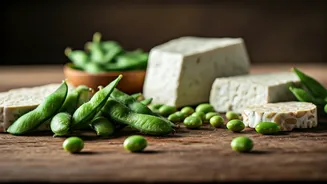
Tofu, or soybean curd, is perhaps the most famous soy product, yet often misunderstood. Think of it as a flavour sponge, ready to absorb any spices you throw at it. The trick to great tofu is pressing it first. Wrap a block of extra-firm tofu in paper towels, place something heavy on top for 20-30 minutes, and watch the excess water drain out. Now it's ready. For a breakfast scramble, crumble it into a pan and cook it just like an egg bhurji. Cubed and pan-fried until golden, it becomes the perfect protein for a kadai masala or a substitute for paneer in dishes like palak tofu. You can also marinate it in yogurt and spices like ginger, garlic, and garam masala before baking or air-frying for a delicious tikka-style snack.
Meet Tempeh: The Fermented Favourite
If you find tofu too soft, allow us to introduce you to tempeh. Made from fermented soybeans pressed into a firm block, tempeh has a nutty, savoury flavour and a satisfyingly dense texture. It’s fantastic in Indian dishes because it holds its shape well. You can cube it and marinate it in a mixture of yogurt, spices, and lemon juice before adding it to a rich tikka masala sauce made with tomato and coconut milk. It’s also brilliant in South Indian preparations; try sautéing it for a Kerala-style chili roast with onions, curry leaves, and spices for a fiery and flavourful main course.
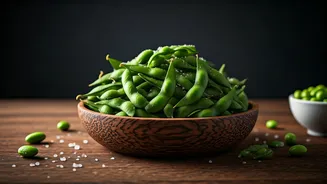
Edamame: The Snackable Green Gem
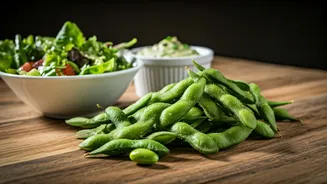
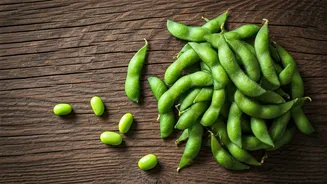
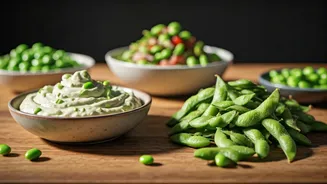
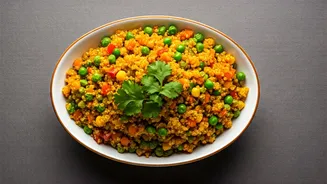
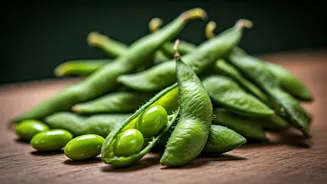
Edamame are young soybeans, often sold frozen, either in their pods or shelled. They are incredibly easy to prepare and wonderfully versatile. The simplest way to enjoy them is to boil or steam them with a pinch of salt for a quick, healthy snack. But why stop there? For a South Indian twist, prepare an edamame sundal by tossing boiled edamame in a tempering of mustard seeds, urad dal, curry leaves, and fresh coconut. They also make a fantastic, protein-boosting addition to potato curries, essentially standing in for green peas in a classic aloo-matar style dish. You can even blend them into a South Indian-style curry base with coconut and spices to make a rich and creamy 'huli saaru'.
The Versatility of Soy Flour and Milk
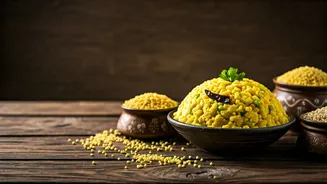
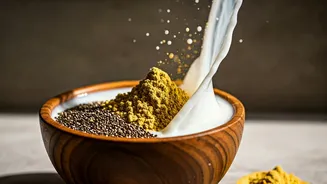
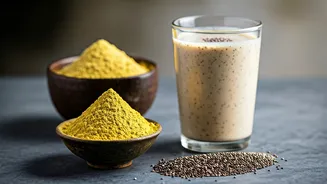
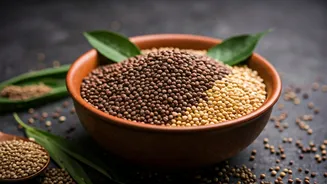
Don't forget about the other forms of soy that can easily be integrated into your daily cooking. Soybean flour is a high-protein, gluten-free option that can be used to make flatbreads. You can make a dough for a Maharashtrian-style thalipeeth by mixing soy flour with chopped onions, green chillies, and spices. You can also mix it with your regular whole wheat atta to make protein-rich chapatis. Soy milk, with its distinct nutty flavour, can be used to create creamy curries. It works as a great dairy-free substitute for coconut milk or cream in gravies, adding richness and depth.