



A Curated Path Through the Chaos
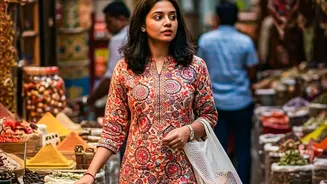
For many travellers, the sheer variety of street food can be overwhelming. Questions of hygiene, quality, and what to even order can lead to hesitation, often causing them to stick to more familiar, tourist-centric restaurants. A guided food excursion
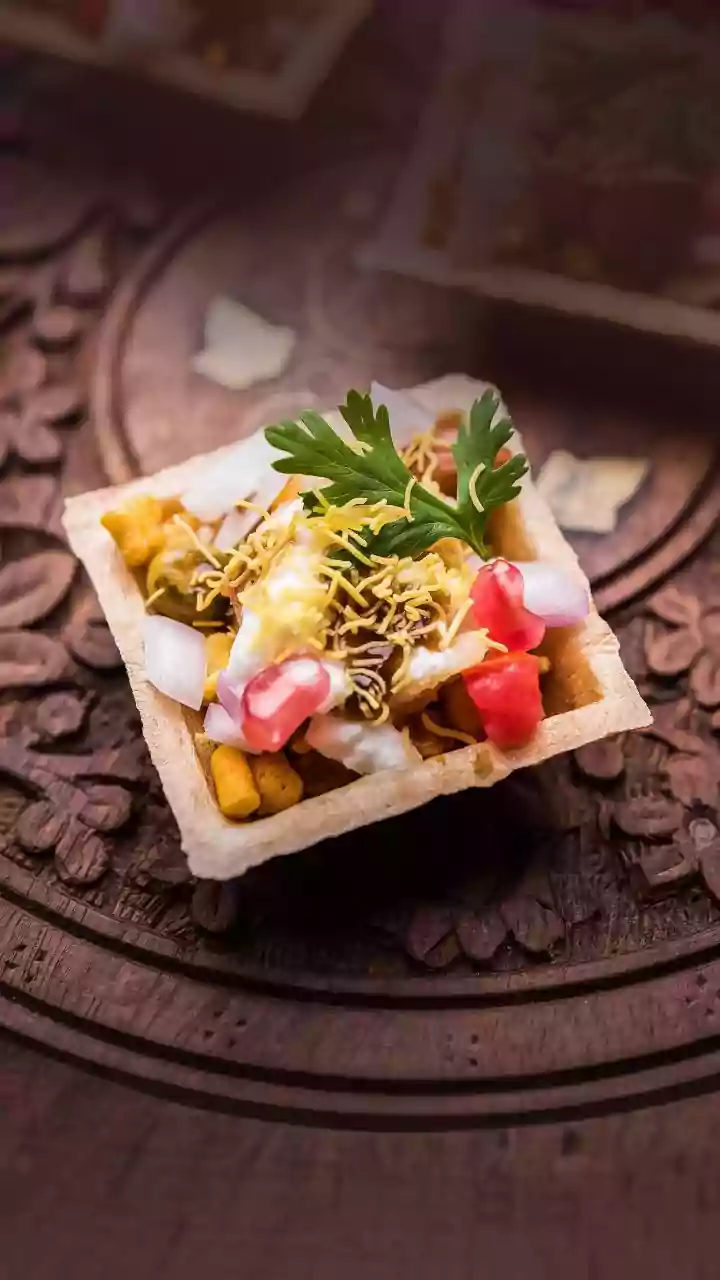
cuts through this uncertainty. These tours are led by local experts who have done the meticulous research, building relationships with vendors and identifying the truly exceptional offerings hidden in plain sight. Instead of guessing, participants are led to stalls celebrated for their authenticity and quality. This isn't just about finding the best chaat or kebabs; it's about understanding the story behind the food, delivered by someone who lives and breathes the city's culture. The guide acts as a cultural translator, explaining ingredients, cooking methods, and the historical context of each dish, turning a simple meal into an immersive lesson.
Preserving Authentic Culinary Heritage
In an era of globalised tastes, authentic local recipes are a precious cultural asset. Many street food vendors are families who have been perfecting a single dish for generations, their recipes passed down as cherished heirlooms. These tours make a conscious effort to spotlight such artisans. By bringing a steady stream of curious travellers to their stalls, food tours help ensure these traditions remain viable. This exposure celebrates and validates their craft, encouraging the preservation of cooking techniques and flavours that might otherwise be lost to time or commercial pressures. When a guide introduces you to a vendor known for a specific regional delicacy, you're not just a customer; you're an active participant in keeping a piece of culinary history alive.
Fuelling Local Micro-Economies
Perhaps the most significant impact of these tours is economic. Street food vendors are the definition of micro-entrepreneurs. They often operate on thin margins, and consistent footfall can be the difference between a successful business and a daily struggle. Unlike spending at large chain restaurants, money spent on a food tour directly benefits these small-scale business owners and their families. Tour operators like Delhi Food Walks build partnerships with specific vendors, providing them with a reliable stream of income they might not otherwise access from the typical tourist trail. This financial injection empowers local communities, fosters entrepreneurship, and ensures that tourism revenue is distributed more equitably at the grassroots level, rather than being concentrated in major hospitality chains.
More Than a Meal: A Cultural Bridge
Ultimately, a guided food tour transcends the act of eating. It becomes a vehicle for genuine cultural exchange. Sharing a meal is a universal form of connection, and these tours facilitate interactions that casual tourism often misses. You're not just ordering from a menu; you're meeting the person behind the counter, hearing their story, and sharing a moment of human connection. This fosters a deeper, more respectful understanding of the local culture. For the traveller, it's a richer, more memorable experience. For the vendor, it offers not just income but also a sense of pride and recognition for their craft. It transforms a simple transaction into a meaningful interaction, bridging the gap between visitor and local in the most delicious way possible.