


The Golden Rules of Sawan Eating
Sawan fasting, or vrat, is rooted in the principles of a sattvik diet, which emphasizes pure, light, and calming foods. This traditionally means avoiding non-vegetarian items, eggs, onions, garlic, regular table salt, and common grains like wheat and rice.
Instead, the focus shifts to a special pantry of ingredients. Vrat-friendly flours like kuttu (buckwheat), singhara (water chestnut), and rajgira (amaranth) are used for making puris and rotis. For grains, sabudana (tapioca pearls) and samak rice (barnyard millet) become staples. Dairy products such as milk, curd, and paneer are encouraged, providing essential protein and calcium. Rock salt, or sendha namak, replaces regular salt for seasoning.
Energising Breakfasts to Start Your Day
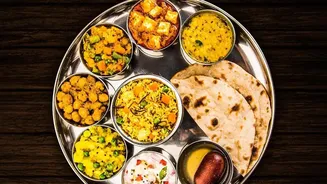
A good breakfast sets the tone for a day of fasting, providing the initial burst of energy needed to stay active. Sabudana Khichdi is a classic choice for a reason; it's light on the stomach, quick to prepare, and its carbohydrate content offers sustained energy. To make it, soaked sabudana is tossed with boiled potatoes, roasted peanuts, and mild spices. Another excellent option is a Singhara Atta Cheela (water chestnut flour pancake). This savoury pancake is easy to make and can be paired with a simple potato curry or curd for a wholesome and filling start to your day.
Wholesome Midday Meals
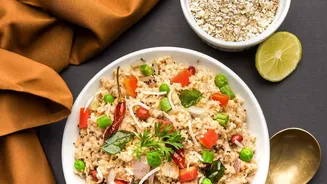
For lunch, the goal is a balanced meal that prevents a post-noon slump. Samak Rice Pulao is a perfect one-pot dish. This barnyard millet 'rice' can be cooked with vrat-friendly vegetables like potatoes and carrots, along with peanuts for an added crunch and protein boost. Another great option is Vrat ki Kadhi, made not with besan but with singhara or kuttu flour and yogurt. It's a lighter version of the traditional dish that pairs wonderfully with rajgira (amaranth) parathas, which are rich in protein and fiber. A simple Aloo Tamatar ki Sabzi, a tangy potato and tomato curry, also serves as a comforting and satisfying main course.
Light and Satisfying Dinners
The evening meal during a fast should be nourishing yet easy to digest. A simple sabzi made from lauki (bottle gourd) or arbi (colocasia) is an excellent choice. These vegetables are light and can be prepared with a simple tempering of cumin seeds and green chillies. Pair this with Kuttu ki Puri (buckwheat flour puri) for a complete meal. Another idea is grilled or pan-fried Paneer Tikka, marinated in yogurt and vrat-approved spices like black pepper and cumin. Paneer is a fantastic source of slow-digesting casein protein, which helps keep you feeling full through the night.
Snacks and Drinks for In-Between Hunger
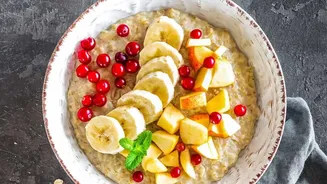
To manage hunger pangs between meals, opt for healthy snacks. Roasted makhana (fox nuts) are a brilliant choice; they are low in calories but rich in protein and calcium. A handful of nuts like almonds and walnuts or a bowl of fresh seasonal fruits also provides a quick energy boost. For a more substantial snack, a Sweet Potato Chaat made with boiled sweet potatoes, lemon juice, and rock salt is both tasty and filling. To stay hydrated, homemade lassi, buttermilk, or a simple banana and almond milk smoothie are far better options than packaged juices.