





A Conscious Shift in Celebration
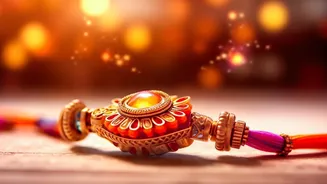
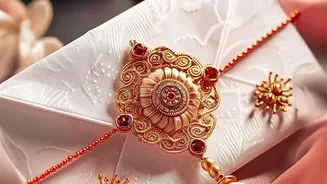
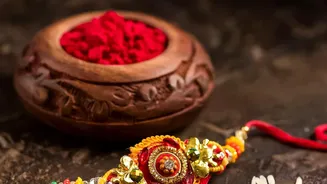
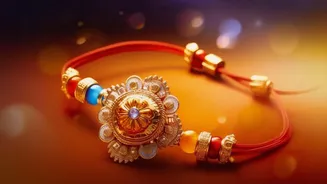
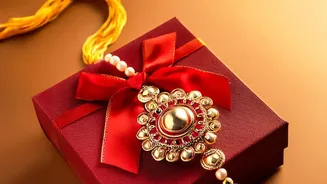
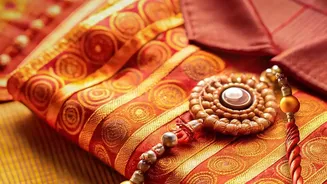
For years, the festive markets ahead of Raksha Bandhan have been a sea of brightly coloured, mass-produced rakhis and gift hampers. Most of these items are made from non-biodegradable materials like polyester threads, acrylic stones, and plastic packaging
that contribute to India's growing waste problem. An estimated several crore rakhis are discarded annually, many of which end up in landfills and waterways. This year, however, a noticeable trend towards conscious consumption is changing the festive landscape. Families are increasingly questioning the environmental cost of a single day's celebration and seeking alternatives that are both beautiful and sustainable.
From Waste to Wonderful Gifts
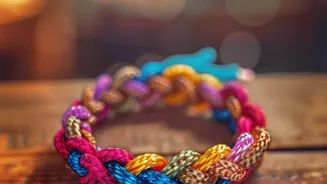
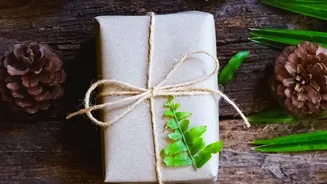
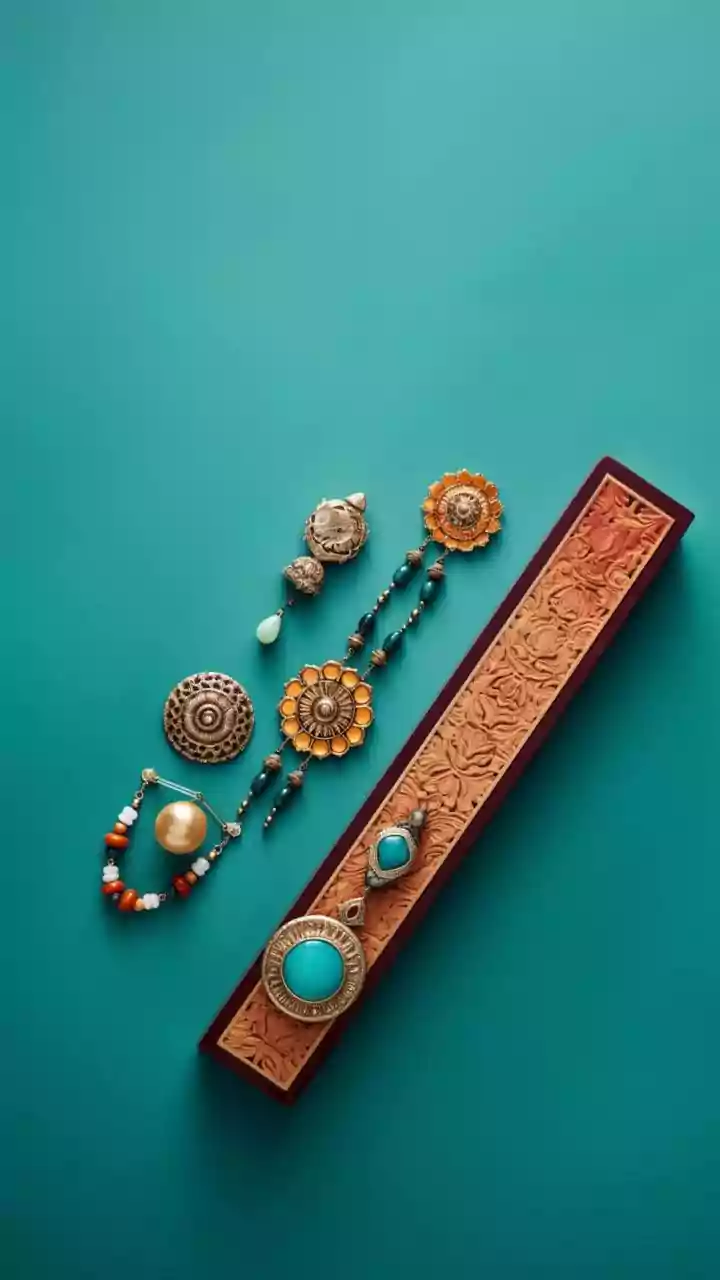
The heart of this new movement lies in the creativity of upcycling. Artisans and eco-conscious brands are transforming everyday waste into unique and desirable gifts. Rakhis themselves are being reimagined, with some of the most popular options being plantable ones made from seed paper that grow into flowers or herbs after the festival. Others are crafted from upcycled fabric scraps, reclaimed wood, coconut shells, and even hand-woven, cleaned plastic waste. Beyond the rakhi, gift hampers are getting a sustainable makeover, featuring items like coasters made from reclaimed wood, diaries from recycled paper, and hand-forged iron decor that have a lasting presence in a home.
The Artisans Behind the Movement
This shift is not just an environmental win; it's a social one, too. Many of these eco-friendly products are made by artisan collectives, women's self-help groups, and small, independent craftspeople across the country. Choosing a handcrafted rakhi or an upcycled gift often means directly supporting these local economies and preserving traditional skills like Dokra metalwork, Patwa threadwork, and handloom weaving. Online platforms are making it easier than ever for consumers to connect directly with these artisan groups, selling products by the name of the craft and the community that made them, turning a simple purchase into a story of empowerment.
More Than Just a Trend
What's driving this change? It's a combination of growing environmental awareness and a deeper desire for authenticity. Many people are tired of generic, disposable gifts and are instead looking for presents that feel personal and hold meaning. A handmade gift, with its slight imperfections and unique character, tells a richer story than a factory-made novelty. It reflects not just the bond between siblings but also a shared value for craftsmanship and a healthier planet. This move away from the 'use and throw' culture is about making the celebration itself more meaningful, creating memories instead of trash.