


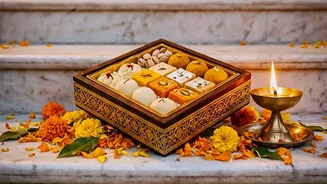

For many in India, sweets are not just food; they are a part of every celebration and festival. A diabetes diagnosis can feel like a farewell to these joys, but it doesn't have to be. The key isn't total deprivation, but a smarter approach.
The Myth of Total Abstinence
One of the
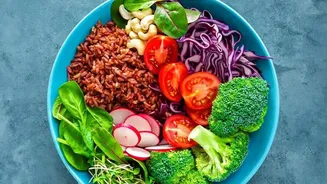
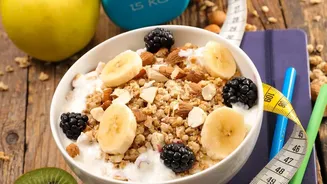
most common beliefs about managing diabetes is that all sweets must be banished forever. This all-or-nothing approach often leads to feelings of deprivation, making it harder to stick to a healthy eating plan in the long run. The reality is more balanced. A diabetes-friendly diet is essentially a healthy Indian diet with a focus on portion control, whole grains, and mindful choices. The goal is to manage total carbohydrate and sugar intake over the day, not to eliminate every source of sweetness. An occasional, planned indulgence in a small portion of a favourite sweet can be incorporated into a balanced diet, especially when managed with regular monitoring and physical activity.
The Comfort of Familiar Tastes
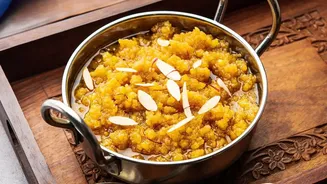
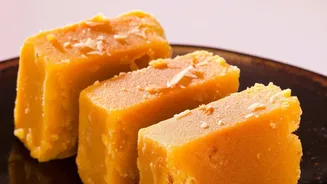
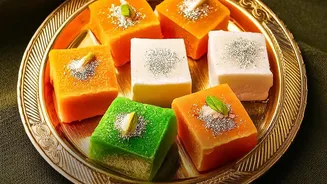
The psychological aspect of eating is powerful. The aroma of a freshly made halwa or the texture of a milk-based barfi is tied to memories, celebrations, and comfort. Forcing oneself to eat bland or unfamiliar 'diabetic-friendly' alternatives can sometimes increase cravings for the real thing. Research and psychological approaches to eating suggest that honouring cravings with a small, satisfying portion can be more effective than complete denial. Enjoying a single, small piece of a traditional mithai allows you to partake in the festive spirit without feeling left out, which is crucial for mental well-being and can reduce the stress associated with strict dietary restrictions. This strategy is about making a conscious choice to savour a flavour, rather than mindlessly overindulging.
Making Smarter Mithai Choices
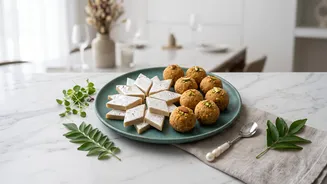
Not all Indian sweets are created equal when it comes to their impact on blood sugar. Sweets that are deep-fried and then soaked in sugar syrup, like gulab jamun or jalebi, cause a much faster spike in glucose levels. In contrast, sweets made from milk, paneer (chhena), nuts, or lentils tend to be better options as their protein and fat content can help slow down sugar absorption. Good examples include sandesh, chhena poda, or a small almond-based ladoo. Even with these smarter choices, portion size remains the most critical factor. The advice is consistent: choose one preferred sweet, have a small portion, and savour it. It is better to have half a kaju katli than to sample five different sweets.
A Note on Sugar Substitutes
The market for 'sugar-free' sweets is growing, but it's important to read labels carefully. Many 'natural' sweeteners like jaggery and honey still have a high glycemic index and will raise blood sugar levels, so they should not be considered 'free' foods. Truly zero-calorie, zero-glycemic index sweeteners like stevia and monk fruit are safer options for people with diabetes as they do not affect blood glucose. However, 'sugar_free' products can still contain carbohydrates and calories from other ingredients like flour or milk solids. When making sweets at home, using these substitutes can give you better control, but moderation is still key.
Practical Tips for Festive Indulgence
Navigating festivals and family gatherings requires a plan. Instead of skipping meals to 'save room' for dessert, which can cause dangerous blood sugar fluctuations, it's better to eat your regular balanced meals and plan for a small treat. Always have your sweet after a meal rich in protein and fibre, not on an empty stomach, to slow down glucose absorption. Staying hydrated with water and avoiding sugary drinks is also crucial. Perhaps most importantly, a short walk of 15 - 20 minutes after a festive meal can significantly help in managing post - meal blood sugar spikes.