
Himachal's Recipe for a Perfect Night Sky
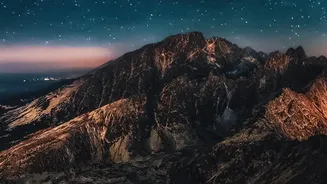
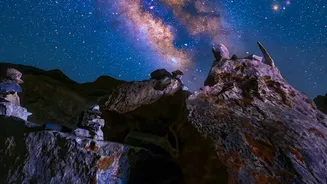
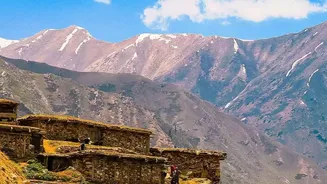
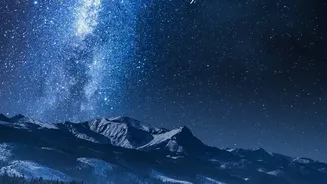
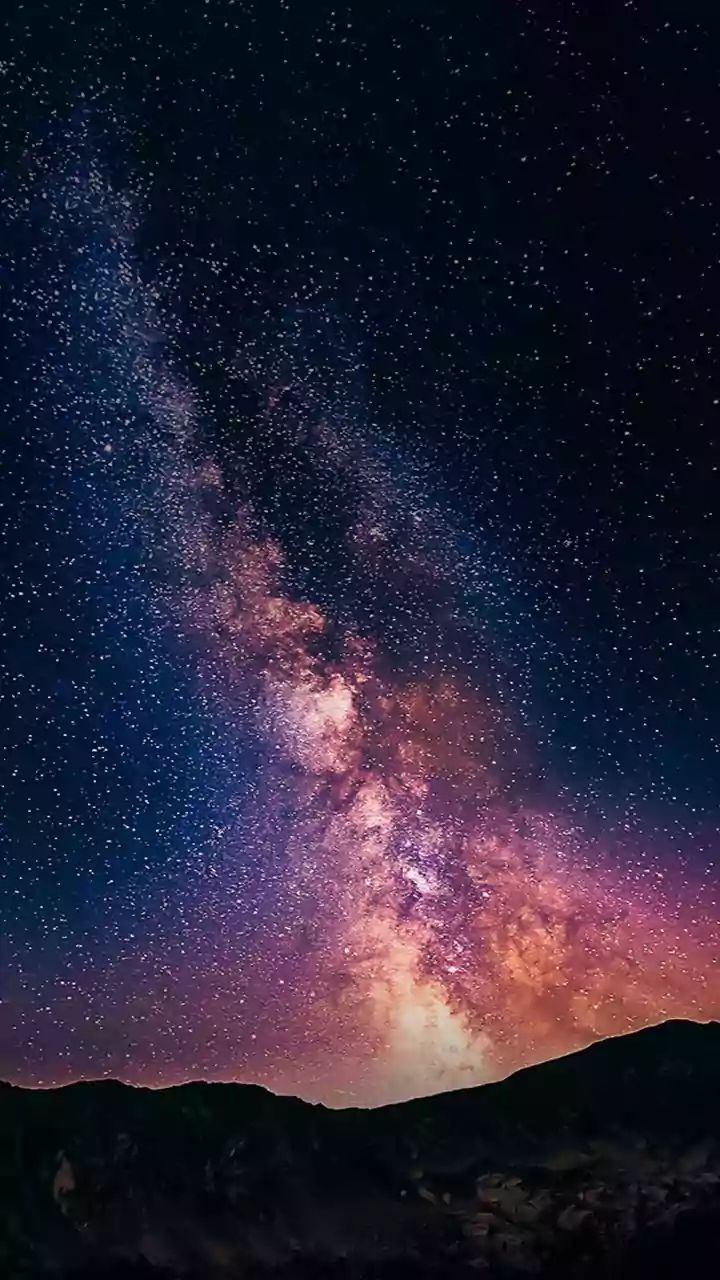
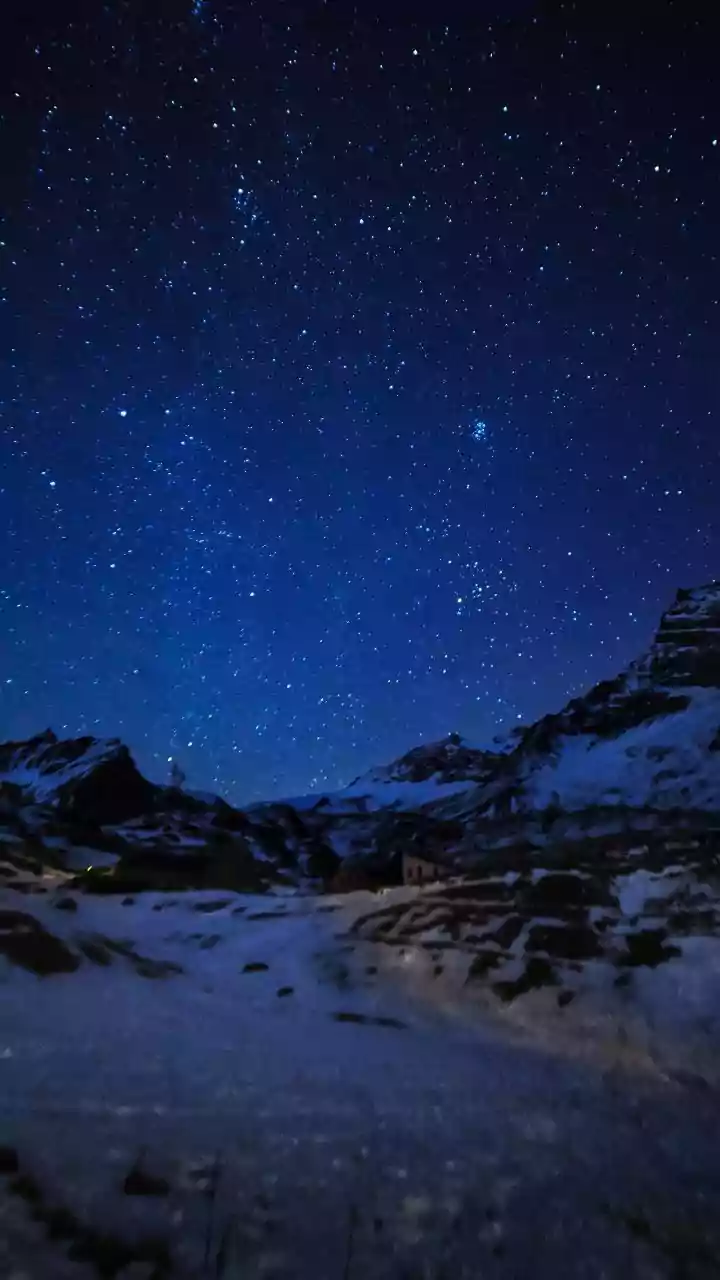
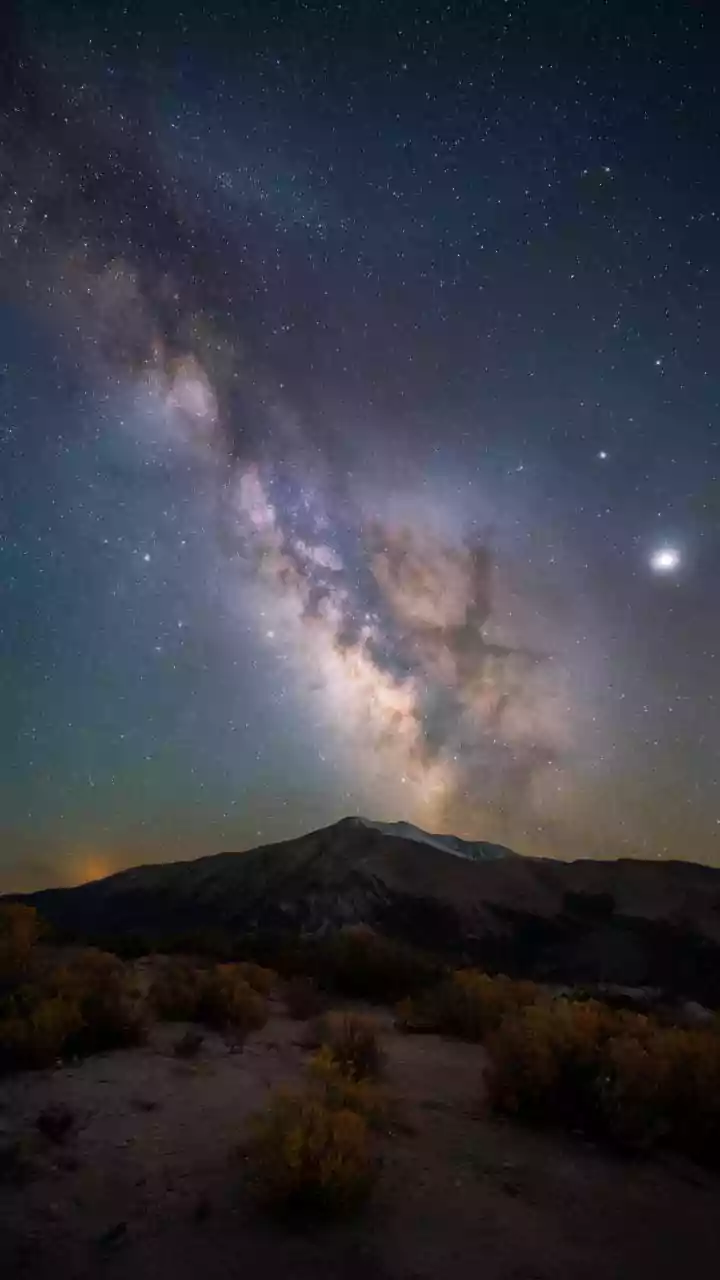
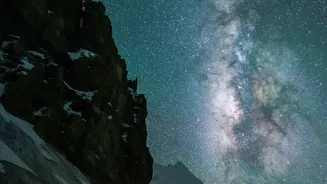
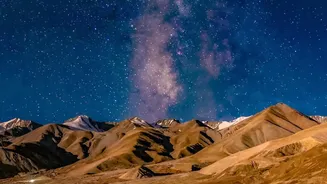
What makes the skies above Himachal so special? It's a unique combination of factors. The regions of Spiti, Lahaul, and upper Kinnaur boast altitudes often exceeding 12,000 feet. This height places you above a significant portion of the Earth's atmosphere,
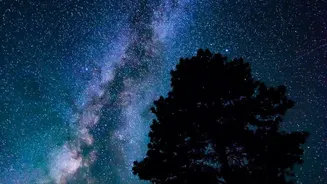
which otherwise distorts starlight. The result is a sharper, more brilliant celestial display. Furthermore, these areas are part of a cold desert, meaning the air is incredibly dry with minimal cloud cover, especially between May and October. Most importantly, their remote location and sparse population mean there is virtually no light pollution, leaving the sky profoundly dark and allowing even faint stars and the Milky Way to become visible to the naked eye.
What You Can See Tonight
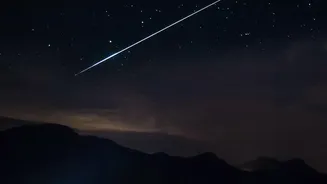
The timing of the headline is particularly relevant as the night sky is currently alive with one of the year's best celestial shows: the Perseid meteor shower. Active from mid-July to late August, the shower is expected to peak on the night of August 12-13, 2026. This year's peak is exceptionally promising because it coincides with a new moon, meaning the sky will be completely dark without any moonlight to wash out the meteors. Under these ideal conditions in a location like Spiti, observers might see up to 100 meteors per hour. For viewers in India, the best time to watch will be in the pre-dawn hours of August 13th, between 2:00 AM and 4:30 AM IST, when the shower's radiant point is high in the sky. These 'shooting stars' are actually tiny debris particles left behind by the comet Swift-Tuttle, burning up as they enter our atmosphere at high speed.
The Rise of Community-Led Astrotourism
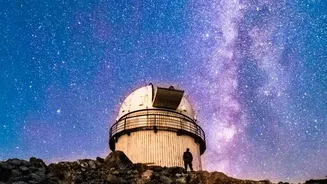
This growing interest in the cosmos is not just for tourists; it's also empowering local communities. In July 2025, a landmark initiative was launched in Kaza, the main town of Spiti Valley, to establish a community-run stargazing facility. Spearheaded by the Himachal Pradesh government, the project provides local youths and homestay owners with high-end computerized telescopes and training from institutions like the Indian Institute of Astrophysics. This allows them to become astro-guides, offering paid stargazing sessions to visitors. This sustainable model turns the region's natural asset—its dark sky—into a source of livelihood, blending scientific curiosity with cultural preservation. While India's first officially designated Dark Sky Reserve is in Hanle, Ladakh, areas like Spiti are increasingly recognized as vital dark sky sanctuaries.
Planning Your Celestial Escape
A trip to witness Himachal's starry skies requires some planning. The best season for stargazing generally runs from May to October, when the weather is milder and roads are accessible. Key destinations include Kaza, Langza, Komic, Tabo, and Chandratal Lake in the Spiti and Lahaul region. Accommodation ranges from cozy, family-run homestays to guesthouses and camps, many of which are now catering to astrotourists. Packing is crucial: bring multiple layers of warm clothing, as night temperatures drop significantly even in summer. A good pair of binoculars can enhance the view, and a sturdy tripod is essential for anyone interested in astrophotography. Most importantly, remember to acclimatize properly to the high altitude to avoid sickness. Spending a day or two at a lower altitude like Manali before heading higher is highly recommended.