
The Common Cutlet Catastrophe
We’ve all been there. You follow a recipe for vegetarian cutlets with high hopes, only to end up with a plate of soft, pasty discs that lack any satisfying texture. The most common pitfall in making vegetable patties is moisture management. Many vegetables
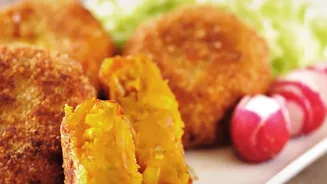
release water when cooked, and if the mixture is too wet, it results in a dreaded mushy interior that steams instead of fries, causing the cutlet to fall apart. Without the right structure and binding, even the most flavourful combination of spices and vegetables can lead to a disappointing meal. The goal is a cutlet that is soft and flavourful on the inside but boasts a distinct, crispy exterior and a firm, hearty bite. Anything less feels like a compromise.
The Potato: Your Secret Binder
The first step to a better cutlet is rethinking your binder. While eggs are common in some recipes, boiled potato is a superior vegan-friendly alternative. Starchy potatoes, like Russets, are ideal. When boiled, peeled, and mashed, they create a low-moisture, pliable base that holds other ingredients together beautifully. The starch in the potato helps absorb excess moisture from other vegetables, preventing the mixture from becoming waterlogged. This creates a sturdy foundation for the patty, ensuring it holds its shape during frying. Unlike flour or other binders that can become gummy, mashed potato provides structure while maintaining a soft, fluffy interior, creating that perfect textural contrast with the crispy outside.
Beans for a Hearty Bite
While potato provides the perfect binding and base, the addition of beans is what introduces a substantial, 'meaty' texture. Boiled beans, such as kidney beans, black beans, or cannellini beans, make a delicious combination with potatoes in cutlets. The key is not to mash them completely. By leaving some of the beans whole or partially crushed, you create pockets of texture throughout the patty. This prevents the interior from becoming a uniform paste and gives you a satisfying, chunky bite. The combination ensures the cutlet is not just a soft mash but a robust patty with varying textures that make each bite more interesting and filling. This simple addition elevates the cutlet from a simple side to the main focus of a meal.
The Ultimate Crunch: Homemade Breadcrumbs
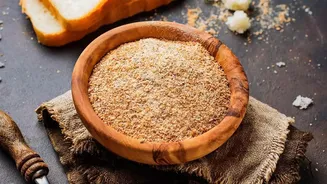
The final, and perhaps most crucial, element for a transcendent cutlet is the coating. While store-bought breadcrumbs are convenient, they are often too fine and can lead to a dense, hard crust. Homemade breadcrumbs are a game-changer. Using slightly stale bread and pulsing it in a food processor creates coarser, more irregular crumbs. These larger crumbs, similar to Japanese panko, create a lighter, airier, and significantly crispier coating when fried. They absorb less oil, resulting in a cutlet that is golden and crunchy, not greasy. For an even better result, you can toast the bread slightly before processing it. This simple step provides an unmatched flavour and crunch that pre-packaged crumbs simply cannot replicate.
Bringing It All Together
To create your own texture-perfect cutlets, start with a base of boiled, mashed potatoes. Steam or boil your other vegetables like carrots, peas, and green beans until they are tender but not mushy, and ensure any excess moisture is drained. Mash these into the potatoes. Gently fold in your partially mashed beans, along with spices like cumin, coriander, and garam masala. The mixture should be firm enough to hold its shape. If it feels too wet, you can add a tablespoon of rice flour or powdered flattened rice (poha) to help absorb moisture. Form the mixture into patties, then chill them for at least 30 minutes. This helps them firm up and prevents them from falling apart during cooking.
Frying for Perfection
Once chilled, it's time to fry. Set up a breading station. You can dip the cutlets in a thin batter of all-purpose flour and water before coating them thoroughly in your homemade breadcrumbs. Heat a generous amount of neutral oil in a pan over medium heat. The oil should be hot enough that a crumb sizzles immediately, but not so hot that it burns the coating before the inside is warmed through. Don’t overcrowd the pan; fry the cutlets in batches. This maintains the oil temperature and ensures each cutlet has the space to become uniformly golden brown and crispy on all sides. Fry for a few minutes on each side, then transfer to a wire rack to drain. Serve hot with your favourite chutney or sauce.