
A Shift in Seasonal Thinking
Not long ago, the monsoon season in India was considered the travel off-season. Tourists, both domestic and international, traditionally avoided the months between June and September due to heavy rainfall and potential disruptions. But the tides have
turned dramatically. Today, the monsoon is not just a season to navigate; it's a prime season to celebrate. Recent data from the travel industry confirms this shift, with booking platforms reporting significant year-on-year growth in monsoon travel. For instance, Airbnb has noted a nearly 40% rise in searches for domestic monsoon getaways. Similarly, other reports show hotel bookings in popular destinations growing substantially, with some places seeing increases of over 100%. This surge indicates that rainy escapes are no longer a niche choice but a mainstream trend.
The Allure of the Rains
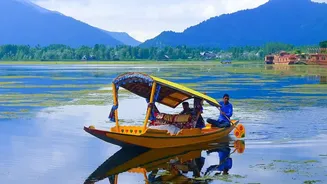
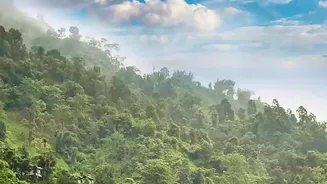
So, what's behind this change of heart? The reasons are as varied as the Indian landscape. A primary driver is the desire for more authentic and less crowded experiences. Travellers are discovering the unique beauty of rain-washed landscapes, from the misty hills of the Western Ghats to the full, vibrant lakes of Rajasthan. The monsoon transforms familiar places into lush, green paradises, offering a completely different perspective. Economics also play a role. While prices are becoming more resilient due to demand, the monsoon season can still offer better value compared to the peak winter months. Travel experts also point to a generational shift, with younger travellers, particularly Gen Z, preferring multiple short trips, or 'micro-cations', over one long annual holiday. This makes a quick weekend monsoon trip an attractive option.
Hotspots for a Rainy Day
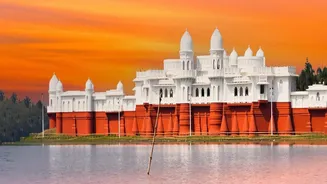
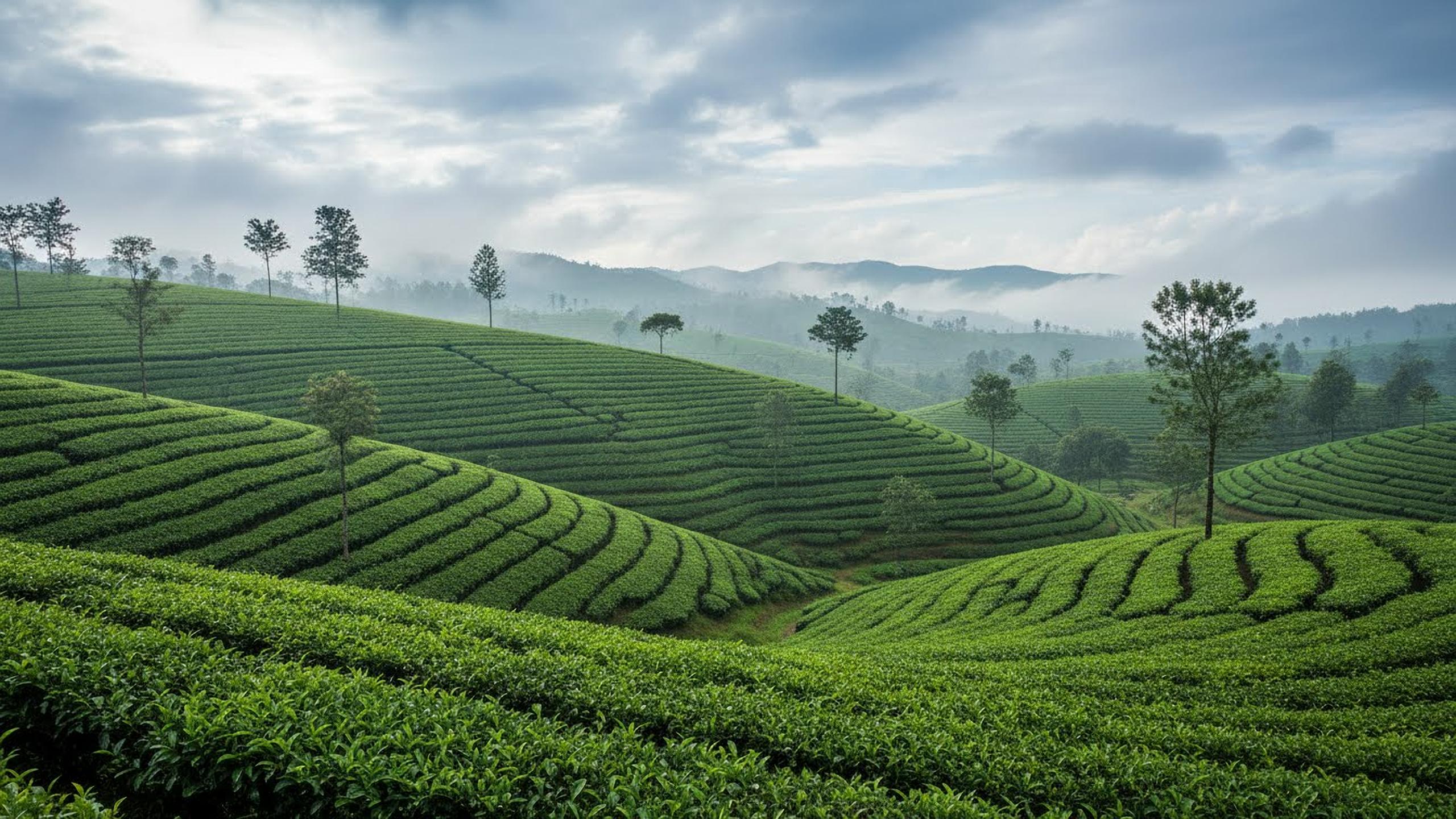
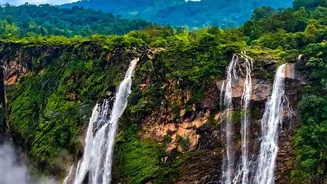
From the mountains to the coasts, travellers are finding monsoon magic everywhere. Kerala, often marketed as 'God's Own Country', becomes even more enchanting with its overflowing backwaters and rejuvenated tea plantations in Munnar. Coorg in Karnataka, known for its coffee estates and misty hills, has seen a massive surge in bookings, along with other hill stations like Lonavala, Mahabaleshwar, and Ooty. Even Goa, famous for its sunny beaches, offers a different, quieter charm during the rains, with lush landscapes and roaring waterfalls like Dudhsagar. The Northeast has also emerged as a standout performer, with states like Nagaland and Arunachal Pradesh seeing a significant rise in flight and hotel bookings. And it’s not just the conventionally green places; the desert state of Rajasthan comes alive, with cities like Udaipur and Jaipur offering romantic views of rain-filled lakes and palaces.
Embracing the Pluviophile Life
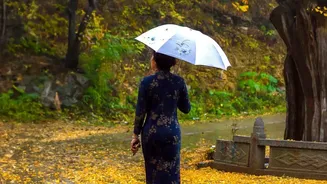
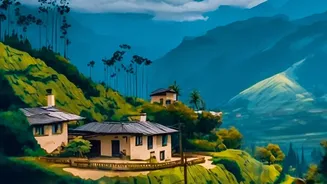
This trend is about more than just travel; it's about a mindset. It's for the 'pluviophile'—a lover of rain—who finds joy in the sound of a downpour, the smell of wet earth, and the cosy feeling of sipping a hot chai while watching the world get a fresh wash. The boom in monsoon travel reflects a deeper appreciation for slower, more immersive experiences. Instead of a packed sightseeing itinerary, a monsoon trip might revolve around reading a book by a window overlooking a misty valley, enjoying local rainy-day snacks, or taking a walk through a vibrant, green forest. It’s a shift from just seeing a place to truly feeling it and connecting with nature in its most dramatic and restorative phase.
Packing for the Pour
While embracing the rain is key, a little preparation goes a long way. Travelling during the monsoon requires some practical considerations. Packing waterproof gear, including jackets, bags, and sturdy footwear, is essential. It's also wise to keep travel plans flexible and check weather advisories, as heavy rains can sometimes cause delays or landslides in hilly areas. Booking accommodations in advance is becoming more important as the season’s popularity grows. However, the reward for this extra planning is witnessing India at its most refreshed and revitalised, an experience that more and more travellers are finding is well worth it.