







The Financial and Commercial Engine
Long before it was the home of Hindi cinema, Mumbai (formerly Bombay) was India's financial capital. This economic identity is the bedrock of Bollywood. The city’s robust financial infrastructure provides the investment needed to fund everything from
blockbuster productions to independent films. Historically, wealthy merchants and a progressive, business-savvy community provided the initial capital for filmmaking, a tradition that continues today with banks, corporations, and private equity firms. This concentration of capital means producers and directors have direct access to financing opportunities that are scarce elsewhere. The city’s commercial hustle creates a self-sustaining ecosystem where the business of film can thrive, from pre-production funding to global distribution deals. This economic power draws talent from all over the country, creating a dense network of professionals that keeps the industry running.
A City Built for Filmmaking
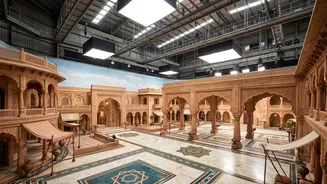
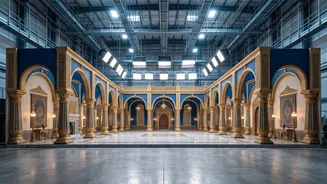
The physical infrastructure of Mumbai is tailor-made for cinema. The most significant testament to this is Film City, officially the Dadasaheb Phalke Chitranagari. Established in 1977 and sprawling over 520 acres, it offers an integrated complex with everything from sound stages and recording studios to ready-made outdoor sets like temples, villages, and cityscapes. This allows filmmakers to create diverse worlds without leaving the city, saving immense time and money. Beyond Film City, Mumbai is home to hundreds of other studios, post-production houses, and equipment suppliers. This dense network of facilities, combined with a vast pool of skilled technicians, editors, and artists, makes Mumbai a one-stop shop for film production. This logistical convenience is a key reason why, even as stories are set across India and the world, the core of Bollywood's production remains firmly anchored in the city.
The Muse and the Mirror
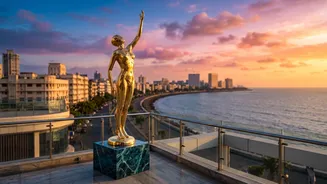
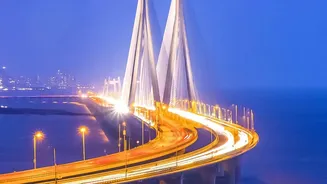
Mumbai is not just the factory where films are made; it is often the main character. The city's dramatic contrasts—from the sprawling slums of Dharavi to the glamorous high-rises of Bandra, the chaos of local trains to the serenity of Marine Drive at dawn—provide an endless well of inspiration for storytellers. Films like Slumdog Millionaire, Gully Boy, Wake Up Sid, and The Lunchbox are intrinsically Mumbai stories, unimaginable in any other setting. These movies explore themes of ambition, struggle, resilience, and dreams, mirroring the ethos of the city itself, often called the "City of Dreams". The city’s unique cultural potpourri, a blend of people from every corner of India, allows for narratives that reflect a cosmopolitan, ever-evolving India. From gritty gangster sagas like Satya to romantic comedies set against its iconic skyline, Mumbai's visual and social texture gives Bollywood its distinctive flavour.
A Magnet for Dreams and Talent
The phrase "City of Dreams" is most potent in its connection to Bollywood. For generations, Mumbai has been the ultimate destination for anyone aspiring to make it in the film industry. Actors, directors, writers, singers, and technicians flock to the city, knowing it is the epicentre of opportunity. This constant influx of fresh talent keeps the industry dynamic and competitive. The very culture of the city is one of hustle and ambition, which aligns perfectly with the high-stakes world of cinema. This concentration of talent creates a powerful network effect; being in Mumbai means being in the room where deals are made, collaborations are born, and careers are launched. The presence of India's biggest stars in neighbourhoods like Juhu and Bandra further cements the city's glamorous allure, turning their homes into landmarks for aspiring artists and fans alike.
Evolving with the Times
Despite its dominance, the relationship between Mumbai and Bollywood is not static. The high costs of shooting and living in the city have led some filmmakers to explore other locations like Delhi, which offers a fresh visual palette and is often more cost-effective. The rise of regional cinema and OTT platforms has also decentralized content creation to some extent. However, Mumbai continues to adapt. The city's infrastructure and talent pool remain unmatched, and it has embraced its role as a global media hub. Moreover, the very image of Bollywood is used to brand Mumbai on a global stage, influencing everything from tourism to the luxury real estate market, where proximity to stars drives property values. The city's walls themselves are being transformed by projects like the Bollywood Art Project, which paints iconic film murals in Bandra, celebrating the city's obsession with its most famous industry.