




Invest in a Waterproof Barrier
The first line of defence is a physical one. For your phone, a high-quality waterproof pouch is a non-negotiable travel partner. These are transparent bags you can seal, allowing you to use your touchscreen and take photos without exposing the device
to rain. For more serious protection, especially during treks or water-based activities, consider a 'dry bag'. These are larger roll-top bags that create an airtight seal, perfect for stashing phones, cameras, wallets, and other valuables. They come in various sizes and are an essential part of any monsoon travel kit. A quality waterproof or water-resistant phone case can also provide a primary barrier against unexpected splashes and downpours.
Simple, Everyday DIY Hacks
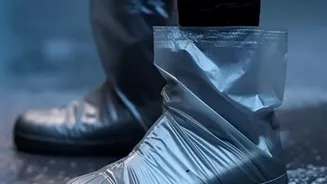
You don't always need to buy specialised gear. A simple zip-lock bag can be a surprisingly effective, budget-friendly shield for your phone. You can still operate the touchscreen through the plastic, making it a handy solution in a pinch. For cameras, especially DSLRs or mirrorless models with interchangeable lenses, a DIY rain cover can be made in seconds. All you need is a suitably sized plastic bag and a rubber band. Drape the bag over your camera and lens, then secure it around the lens hood with the rubber band. Tear a hole for the lens to see through, and you can access the controls from the open end of the bag, keeping your expensive gear protected from the elements.
Cultivate Smart Handling Habits
Beyond gear, your behaviour plays a huge role in keeping electronics safe. Avoid placing your phone in an exposed pocket, like the back pocket of your jeans, where it's vulnerable to rain and can easily slip out. When shooting in a downpour, try to find some form of overhead cover, like a tree or an awning. Keep a microfibre cloth handy to wipe down your device if it gets damp. It's also wise to be mindful of humidity. After coming in from the cool rain to a warmer room, condensation can form inside your devices. One pro tip is to seal your camera in a plastic bag before going inside, allowing it to acclimate to the room temperature slowly.
Special Care for Your Camera
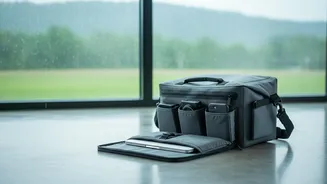
Cameras require extra attention. A lens hood is not just for blocking glare; it also provides a physical barrier that keeps raindrops off the front element of your lens. Always use one in the rain. When changing lenses, do so in a sheltered, dry location to prevent water from getting inside the camera body. Carry a few extra silica gel packets in your camera bag. These small packets, often found in new shoe boxes or with electronics, are excellent at absorbing moisture and can help keep the environment inside your camera bag dry.
Emergency Plan: What to Do if a Device Gets Wet
Accidents happen. If your phone or camera takes a dive, acting fast is crucial. The first and most important step is to turn the device off immediately and do not attempt to turn it back on. If possible, remove the battery, SIM card, and any memory cards to open up more areas for drying. Gently dab the exterior with a soft cloth. Do not use a hairdryer or place it in the sun, as excessive heat can cause further damage. The common advice to use uncooked rice is not the most effective method. A much better alternative is to place the device in an airtight bag filled with silica gel packets for 24 to 48 hours. These are designed to absorb moisture and are far more efficient. Only after you've let it dry completely should you try to power it on.