


A New Snapshot from the Cosmic Dawn
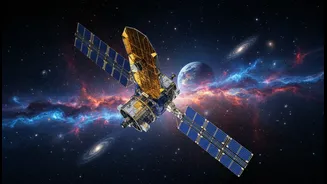
The James Webb Space Telescope (JWST), a collaborative mission between NASA, the European Space Agency (ESA), and the Canadian Space Agency (CSA), has once again stretched our cosmic horizon. Because light takes time to travel, looking at distant objects
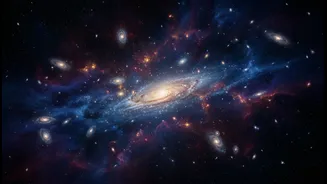
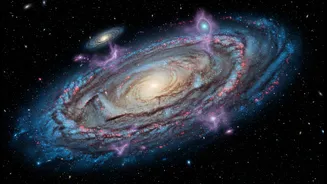
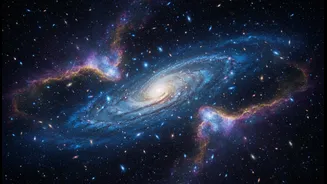
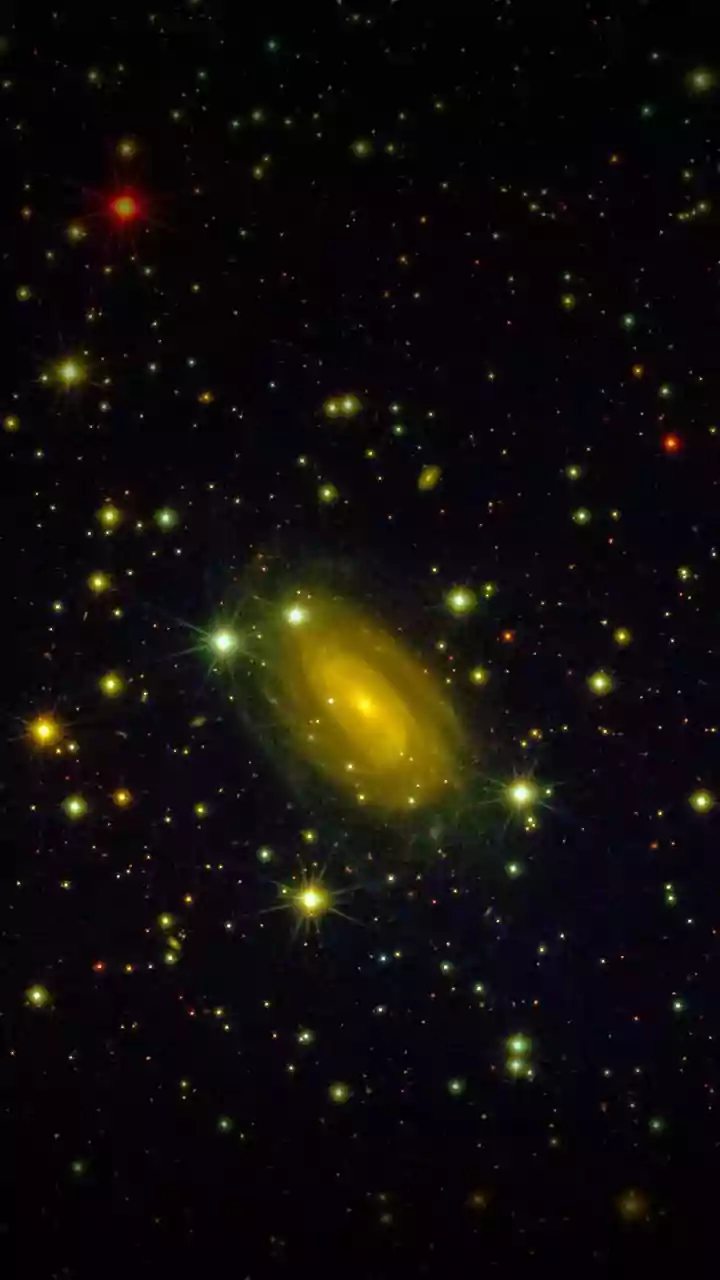
is like looking back in time. Recently, astronomers have used JWST to study galaxies that existed when the universe was just a few hundred million years old—a period known as the cosmic dawn. One recent study from the Inter-University Centre for Astronomy and Astrophysics (IUCAA) in Pune examined hundreds of distant galaxies from when the universe was only 400 to 900 million years old. These are some of the first large structures to emerge from the darkness after the Big Bang.
The Galaxy That Grew Up Too Fast
For decades, the prevailing theory of cosmic evolution suggested that the first galaxies were small, chaotic, and clumpy. They were expected to be messy toddlers, slowly bumping into each other and merging over billions of years to form the grand, structured galaxies we see today, like our own Milky Way. However, the latest JWST observations are challenging this picture. The Pune-based study found that many of these ancient galaxies were already surprisingly well-organised. They discovered that these early galaxies follow a rule known as the “Kormendy relation,” which links a galaxy's brightness to its size. This was previously only seen in mature, nearby galaxies. Finding this level of order so early suggests the universe's assembly line was working much faster and more efficiently than anyone predicted.
What is Cosmic Evolution, Anyway?
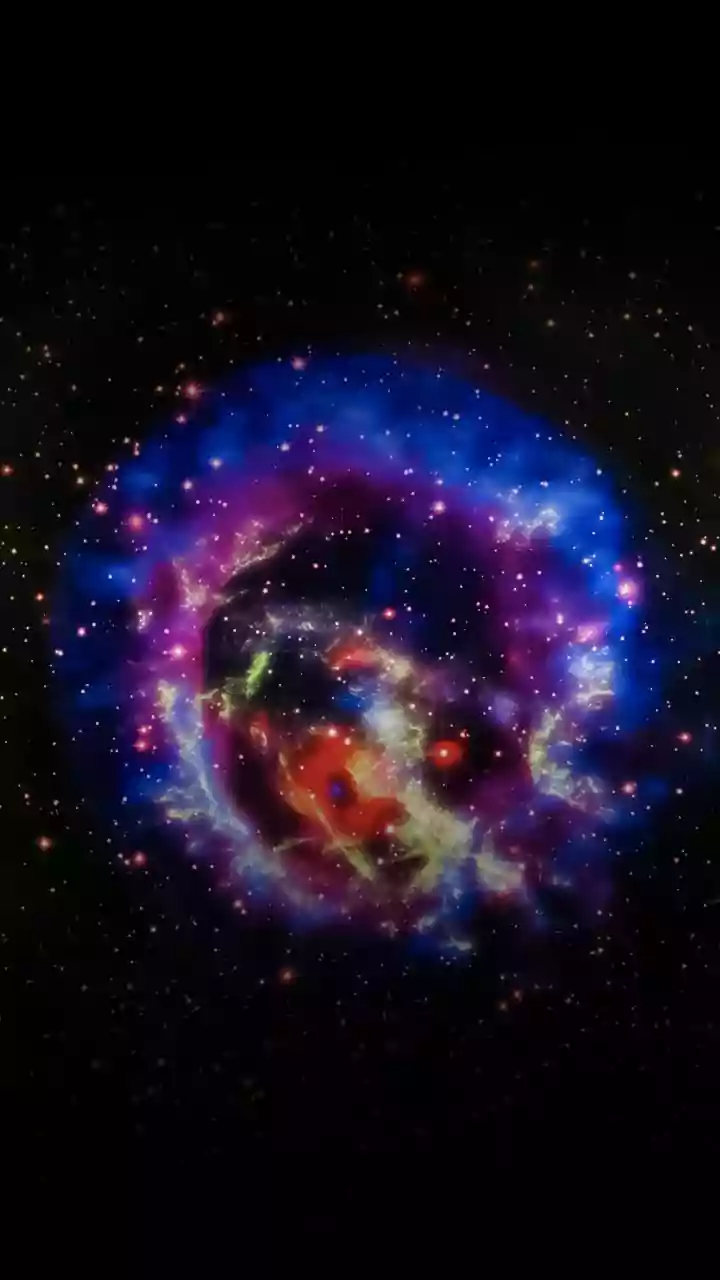
Cosmic evolution is the grand narrative of how the universe developed from its simple beginnings into the complex cosmos we inhabit today. Immediately after the Big Bang, the universe was a hot, dense, and almost perfectly uniform soup of particles. Over billions of years, gravity began to pull matter together. Clumps of gas formed the first stars. These stars gathered into the first galaxies. Those galaxies then merged and grew into larger structures, creating a vast and intricate cosmic web. Understanding this timeline is one of the central goals of modern astronomy. Discoveries of unexpectedly mature galaxies, like those seen by JWST, don't necessarily break the theory, but they do force scientists to adjust the timeline and mechanisms of that evolution.
Rewriting the Universe's First Chapter
So, what does this mean for our understanding of the universe? These findings suggest that the physical processes that build galaxies were in place much earlier than previously thought. It implies that the first generations of stars may have formed more quickly and abundantly, or that the ways galaxies gather matter were more effective at early stages. Other discoveries have shown galaxies with complex internal structures, like rotating nuclear discs, existing just a few billion years after the Big Bang, providing a way to efficiently feed their central supermassive black holes. Each new piece of data from JWST is providing crucial evidence, helping scientists refine their models of how everything we see came to be. It's a bit like finding a detailed fossil from a period where you only expected to see primitive life forms; it changes your understanding of the entire evolutionary tree.