

A New Kind of Mountain Migration
For years, the rhythm of tourism in Himachal Pradesh was predictable: a summer rush to escape the heat and a winter influx for the snow. But a new pattern has emerged. It’s the age of the long-duration traveller, the work-from-mountains professional,
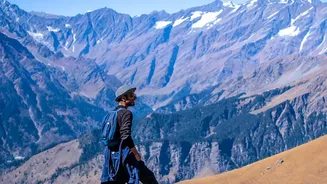
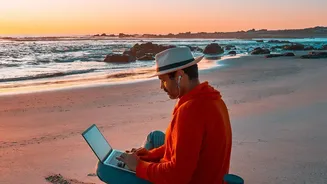
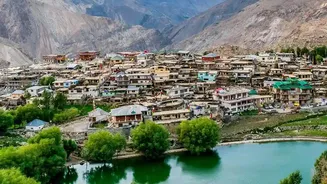
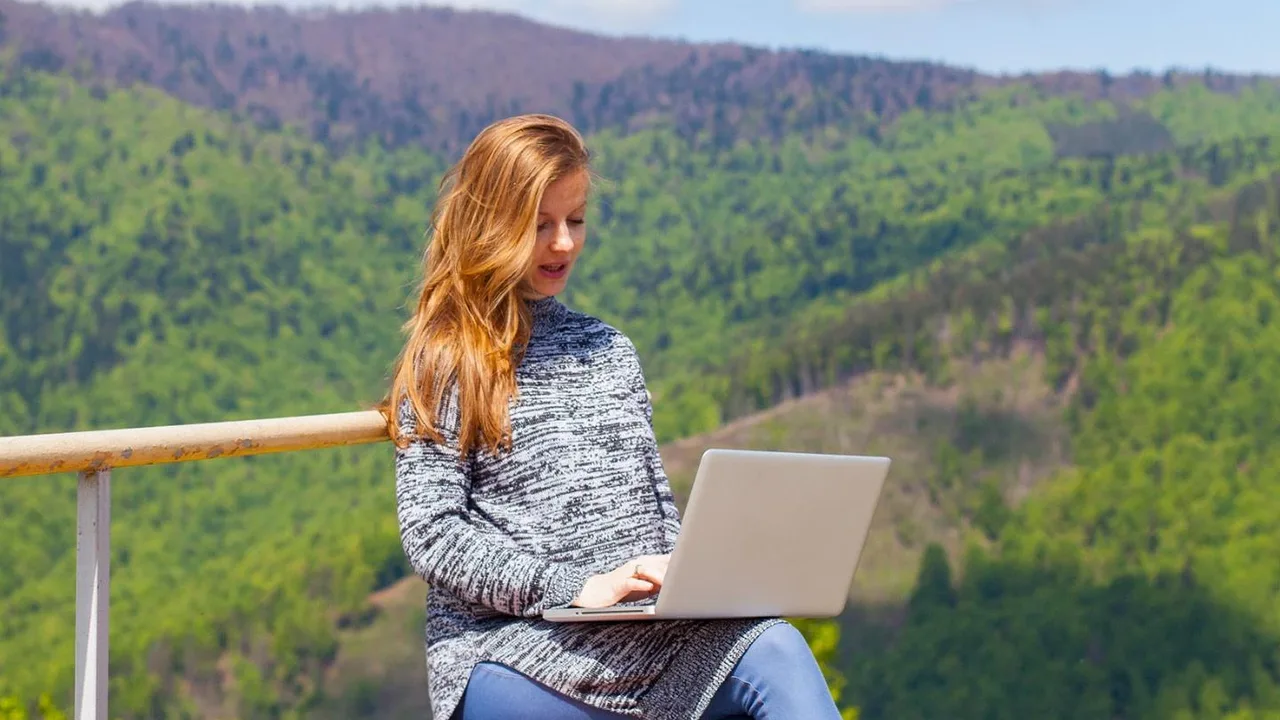
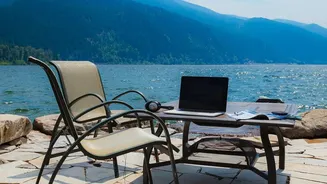
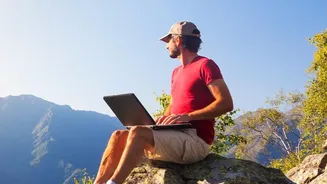
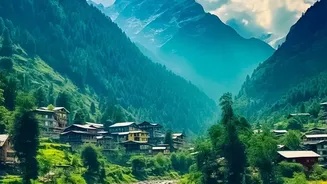
and the creative soul seeking a slower pace of life. Instead of a fleeting two-week holiday, people are packing their bags—and their laptops—for stays that last a month, a season, or even longer. Valleys in Kullu, Kangra, and Mandi districts are transforming into hubs for these modern-day nomads. This isn't about escaping work; it's about reframing it entirely, with a Himalayan peak for a backdrop and the sound of a flowing river as the daily soundtrack.
The Affordability Factor
One of the most significant drivers of this trend is simple economics. The cost of living in a quiet Himachali village is a fraction of that in a metro city. Long-term rentals for furnished apartments or rooms in homestays can be surprisingly light on the wallet, with monthly costs sometimes ranging from ₹20,000 to ₹50,000. Many homestays and guesthouses, which once catered only to short-term tourists, now offer attractive monthly packages. These affordable stays often come with home-cooked meals and a chance to immerse oneself in local culture, providing an experience far richer than a standard hotel. This financial feasibility makes the mountain life accessible not just to high-earning executives but also to freelancers, artists, and young professionals starting their careers.
The Connectivity Revolution
The dream of working from the mountains would have remained just that without the second crucial ingredient: reliable internet. The past few years have seen a dramatic improvement in digital infrastructure across Himachal. The proliferation of fiber optic networks and the strong presence of mobile data providers like Jio and Airtel have been game-changers. In popular hubs like Manali, Dharamshala, and even more remote spots like Jibhi and parts of Parvati Valley, it's now common to find cafés and homestays offering Wi-Fi speeds of 50 Mbps or more. While connectivity can still be patchy in the most isolated hamlets, major valleys now have the digital backbone needed to support video calls, software development, and online collaboration, making 'work from mountains' a practical reality.
More Than Just Wi-Fi and Budgets
While cost and connectivity open the door, the true pull of the Himalayas lies in the lifestyle it offers. The escape from urban pollution, noise, and stress is a powerful motivator. Professionals are discovering that the crisp mountain air and serene environment enhance focus and productivity. The rhythm of life is slower, encouraging a better work-life balance. Weekends are not for malls and movies, but for treks to hidden waterfalls, exploring village trails, and engaging with the local community. Destinations like Dharamshala and McLeod Ganj offer a unique blend of spiritual wellness and a vibrant café culture, attracting a community of like-minded individuals. This focus on well-being and community is something city life often struggles to provide.
A Boost for the Local Economy
This new wave of long-duration tourism provides a more stable and sustainable income source for local communities compared to the seasonal peaks and troughs of traditional tourism. Homestay owners, local restaurateurs, and small-business operators benefit from a consistent stream of revenue throughout the year. This model fosters a deeper connection between visitors and hosts, moving beyond a transactional relationship to one of mutual benefit. As visitors stay longer, they spend more on local services, from grocery stores to taxi drivers, ensuring that the economic benefits of tourism are distributed more widely within the community. This trend helps build a more resilient local economy, less dependent on the fleeting visits of seasonal tourists.