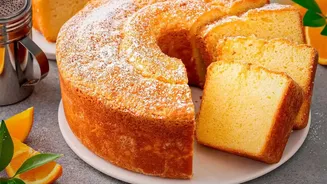




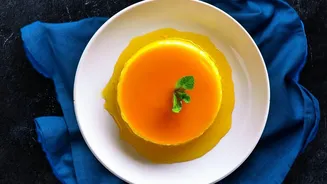

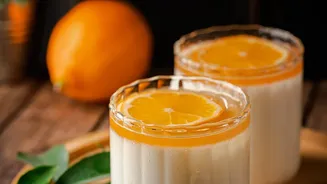
The Essential Orange Cake Recipe
This recipe is designed for simplicity and success, creating a tender, moist crumb every time. You will need basic ingredients: all-purpose flour, baking powder, salt, sugar, eggs, a neutral oil, and of course, fresh oranges for both zest and juice. For
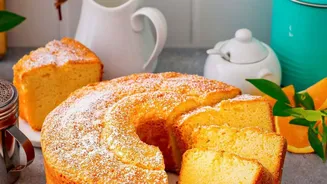
best results, ensure your wet ingredients, like eggs, are at room temperature to help them combine smoothly and create a lighter batter. Begin by whisking together your dry ingredients. In a separate, larger bowl, beat the sugar and orange zest together. This step is crucial as it helps release the fragrant oils from the zest, infusing the entire cake with a deep citrus flavour before any liquid is even added. Next, add the eggs one by one, followed by the oil, and finally, alternate adding the flour mixture and the fresh orange juice until just combined. Pour the batter into a prepared pan and bake until a tester comes out clean. The result is a beautiful, golden cake that's ready for its next step.
Unlocking Maximum Orange Flavour
A common disappointment with orange cake is a flavour that’s too subtle. The secret to a vibrant, citrus-packed taste lies in using the whole fruit. The most potent orange flavour comes from the zest—the bright orange outer layer of the peel. Use a microplane or fine grater to remove only the coloured part, as the white pith underneath is bitter and can ruin your cake. Always use freshly squeezed orange juice; bottled juices often lack the bright punch of fresh ones. For an even more intense flavour, consider making an orange syrup. Simply simmer fresh orange juice and a little sugar until it thickens slightly. While the cake is still warm from the oven, poke holes all over its surface with a skewer and brush or pour this syrup over the top. The cake will absorb the liquid, becoming incredibly moist and saturated with an extra layer of orange goodness.
Common Pitfalls and How to Fix Them
Even the best recipes can go wrong. A dry cake is often the result of overbaking or using too much flour. Keep a close eye on your cake and check for doneness a few minutes before the recipe suggests. If the top is browning too quickly, you can loosely cover it with foil. A cake that sinks in the middle might be underbaked, or the oven door might have been opened too early, causing a sudden temperature drop. Using expired baking powder can also be the culprit, as it won't provide the necessary lift. If your cake tastes bitter, the cause is almost always grating too much of the white pith along with the zest. Be meticulous when zesting to avoid this. Finally, a dense or greasy texture can come from overmixing the batter, which develops too much gluten, or adding too much fat. Mix only until the ingredients are just combined for a tender crumb.
From Simple Cake to Stunning Desserts
This foundational orange cake is just the beginning. For a simple and elegant finish, a light dusting of powdered sugar is all you need. To elevate it further, create a simple orange glaze by whisking powdered sugar with fresh orange juice and a little zest until you reach a smooth, pourable consistency. Drizzle this over the completely cooled cake. The base recipe can also be baked as cupcakes; just be sure to reduce the baking time accordingly. For a more decadent dessert, slice the cooled cake horizontally and use it as the base for a trifle, layering it with orange mousse, whipped cream, and fresh orange segments. You can also pair it with other flavours, like adding chocolate chips to the batter for a classic chocolate-orange combination or a teaspoon of vanilla for a rounder, creamier flavour profile.