





Start With an Inspection
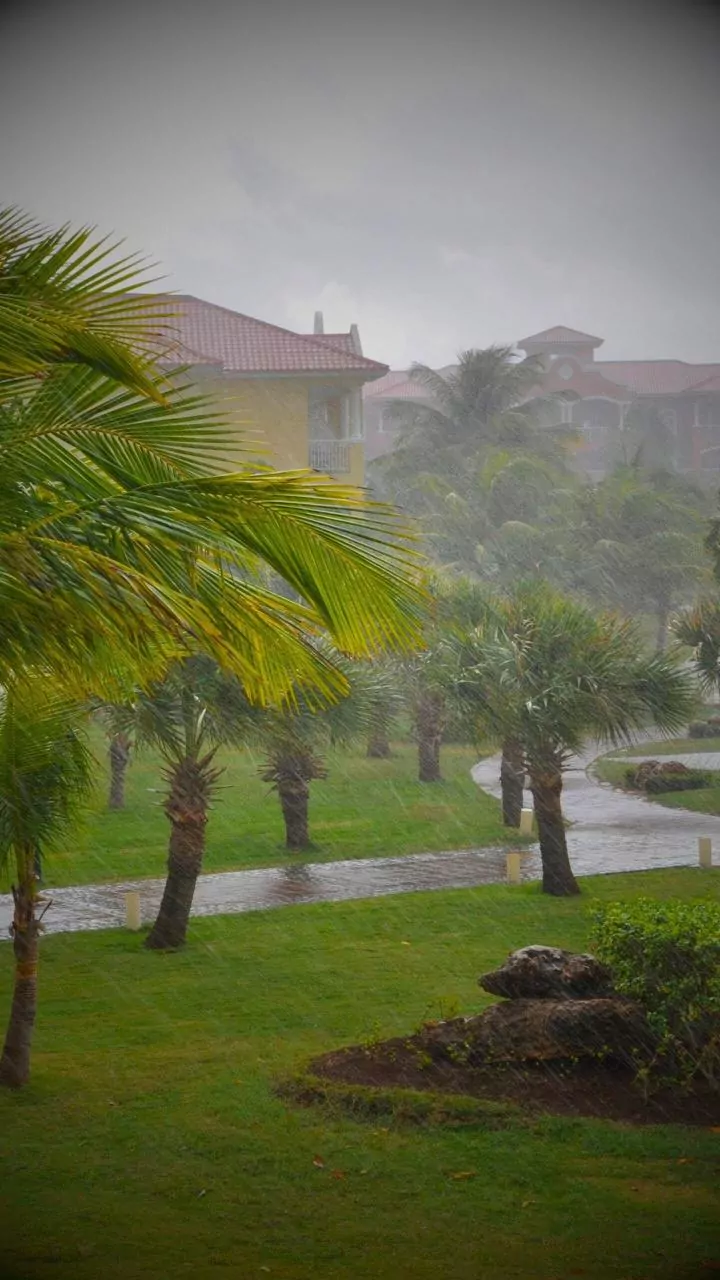
The best time to monsoon-proof your home is before the first rains arrive. Begin with a thorough inspection of your property’s exterior. Pay close attention to the roof and terrace, which are your first line of defence. Look for visible cracks, peeling
paint, or gaps, especially at the joints where parapet walls meet the roof slab, as these are common entry points for water. Also, check exterior walls for hairline cracks or chalky white patches, which indicate moisture is already getting through. Catching these small issues in the dry season is far easier and cheaper than dealing with a major leak in the middle of a downpour.
Seal Cracks and Gaps
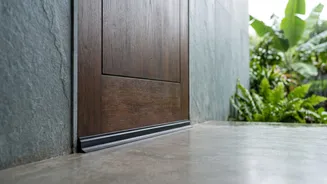
Once you’ve identified potential weak spots, the next step is to seal them. For cracks in walls and roofs, use a high-quality waterproof sealant or compound. Pay special attention to the areas around window and door frames, as the junction between the frame and the wall plaster often develops small gaps over time. Applying a flexible silicone sealant around these frames is an inexpensive but highly effective fix. For doors, especially those on balconies or at the ground-floor entrance, check the threshold seal at the bottom. Replacing a worn-out seal can prevent water from being pushed underneath during heavy, wind-driven rain.
Clear All Drains and Gutters
Blocked drains are a primary cause of waterlogging and seepage. Before the monsoon, ensure all drainage systems are completely clear of leaves, debris, and dirt. This includes roof drains, balcony drains, and the gutters running along your roofline. After cleaning them, run some water through the system to ensure it flows freely and directs water away from your home's foundation. Clogged gutters can cause water to overflow and pool on the roof or run down exterior walls, creating pressure that forces moisture into the structure. A clean drainage system is one of the most crucial steps to prevent water accumulation.
Fortify Doors and Windows
Doors and windows are frequent culprits for leaks during heavy rainfall. Check that the seals are intact and haven't become brittle or cracked. Weatherstripping, which is an adhesive-backed foam or rubber tape, can be applied to the inside of window and door frames to create a tighter seal against wind and water. For older wooden windows and doors that tend to swell in the humidity and become difficult to close, applying a coat of sealant or even a layer of oil or wax can reduce moisture absorption. Also, make sure the small drainage holes, or 'weep holes', at the bottom of window tracks are clear so that any water that gets in can drain back out.
Prepare for the Worst
Even with the best precautions, a particularly severe storm can cause unexpected problems. It’s wise to have a simple emergency kit ready. This should include waterproofing tape for temporarily sealing a sudden leak, a bucket and mop, and the contact numbers for a plumber and electrician. If you live in an area prone to waterlogging, keeping a few sandbags on hand to place at door thresholds can provide an effective barrier. Inside the house, move valuable wooden furniture, electronics, and important documents away from walls that are prone to dampness. Rolling up expensive carpets and rugs for the season can also protect them from moisture and musty smells.
Don't Forget Electrical Safety
Water and electricity are a dangerous combination. Before the monsoon, inspect all external electrical fittings, such as outdoor lights and meter boxes, to ensure they are properly covered and waterproofed. Check for any exposed wires and have them repaired immediately. Inside, be mindful of switchboards located on walls that have shown dampness in previous years; it's a good idea to have these checked by an electrician. Ensure your home is equipped with a functioning Earth Leakage Circuit Breaker (ELCB) or Residual Current Circuit Breaker (RCCB), which can automatically cut power in case of a fault to prevent shocks.