






The Rise of Guilt-Free Indulgence
In recent years, the freezer aisle has become a battleground for our health-conscious cravings. We want dessert, but we also want to feel good about our choices. This cultural shift has paved the way for a new generation of treats that promise the best
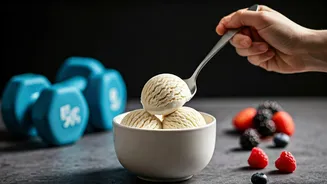
of both worlds. At the forefront of this trend is protein ice cream, a product that has moved from a niche item for fitness enthusiasts to a mainstream staple. It taps directly into the growing demand for functional foods—products that offer benefits beyond basic nutrition, such as added protein to support muscle repair and increase satiety.
What Exactly Is Protein Ice Cream?
At its core, protein ice cream is a frozen dessert engineered to be healthier than its traditional counterpart. To achieve this, manufacturers fundamentally alter the classic ice cream formula. They typically start with a lower-fat base, such as skim milk or a dairy alternative. The protein content is then boosted significantly, often using milk protein concentrates or whey and casein protein powders. This can increase the protein from a mere 3-5 grams per serving in regular ice cream to upwards of 20 grams. To keep calories and sugar low, traditional sugar is replaced with sweeteners like stevia, monk fruit, or sugar alcohols such as erythritol.
The Nutritional Showdown
So, is it actually healthier? A look at the numbers shows a stark difference. A typical serving of regular ice cream can contain 250-300 calories and 20-28 grams of sugar. In contrast, a serving of quality protein ice cream might have only 150-180 calories and little to no added sugar. This significant reduction in sugar and calories, combined with a major protein boost, makes it a compelling option for those managing their weight or looking to increase their protein intake. However, nutritionists caution that "healthier" is a relative term. While it's a better choice than traditional ice cream, it shouldn't be considered a health food. Some products can contain a long list of thickeners, gums, and artificial ingredients to mimic the texture of real ice cream, which can cause digestive issues for some people.
A Compromise on Taste and Texture?
For any dessert, the ultimate test is taste. Early versions of protein ice cream were often criticised for being icy, chalky, or having a distinct aftertaste from artificial sweeteners. However, as technology and formulations have improved, the gap is closing. Brands have become adept at creating creamy, flavourful products that come surprisingly close to the real thing. That said, a trade-off often remains. The rich, decadent mouthfeel of traditional ice cream comes from its high fat and sugar content, a combination that's difficult to replicate perfectly with a lower-calorie, high-protein formula. For many, the slightly different texture is a worthwhile compromise for the nutritional benefits.
The Expert View: A Treat, Not a Staple
Nutrition experts generally view protein ice cream as a positive development, provided it's seen in the right context. It's an excellent tool for harm reduction, allowing people to satisfy a craving with a less detrimental option. Dietitians often recommend it as a smarter swap when you want a sweet treat, not as a primary source of protein. Most people already get sufficient protein from whole foods like lean meats, eggs, and legumes. The consensus is clear: enjoy protein ice cream as a dessert that aligns better with fitness goals, but don't let it replace nutrient-dense whole foods in your diet.
Finding Your Scoop in India
The protein ice cream trend is rapidly growing in India, with several homegrown brands entering the market. Brands like Get-A-Whey, Go Zero, and LEAN are becoming popular choices, offering a range of flavours from Belgian chocolate to mango. Get-A-Whey, for example, markets itself on using high-quality whey protein in its products, making it a popular post-workout treat. Go Zero focuses on having no added sugar by using sweeteners like Stevia, and NOTO offers plant-based vegan options. These brands are making it easier than ever for Indian consumers to find a guilt-free dessert that fits their lifestyle.