







The Power of Low-Impact Movement
The idea that cardiovascular exercise must involve punishing, high-impact movements is a myth. You can achieve excellent heart health benefits without a single jump. Low-impact cardio is defined by exercises where at least one foot remains on the ground
at all times, or your body is supported, like in water or on a bike. This approach dramatically reduces the stress and jarring force on your joints, particularly your knees, hips, and ankles. It’s an ideal strategy for beginners, individuals with arthritis or joint pain, people recovering from injury, or anyone who simply prefers a gentler way to stay active. Your heart doesn't differentiate between a jump and a brisk stride; it only responds to the demand for more oxygen, which strengthens it over time.
Brisk Walking: The Ultimate Accessible Workout
Walking is perhaps the most accessible and effective form of low-impact cardio. To transform a casual stroll into a heart-pumping workout, focus on your pace. Brisk walking is a moderate-intensity activity that elevates your heart rate, improving circulation and lowering blood pressure. Aim for a speed where you can still talk but would find it difficult to sing. To measure your intensity, you can aim for at least 100 steps per minute or maintain a heart rate that is around 50-70% of your maximum. For an added challenge without adding impact, find a hill or increase the incline on a treadmill. This engages more muscles and boosts your heart rate significantly while remaining kind to your joints.
Cycling: Indoors or Out
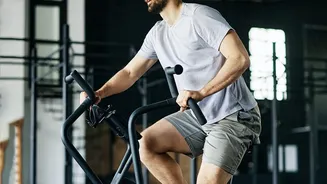
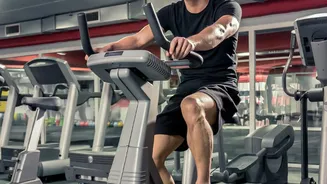
Cycling is a fantastic low-impact exercise that builds lower body strength and cardiovascular endurance. Whether on a stationary bike at the gym or riding outdoors, it provides a smooth, non-weight-bearing motion that protects your knees and hips. Regular cycling helps strengthen the heart muscle, lower your resting pulse, and can reduce the risk of major cardiovascular events like heart attacks and strokes. A stationary bike allows you to control the resistance and intensity, making it perfect for a structured workout regardless of the weather. Outdoor cycling adds the mental health benefit of fresh air and changing scenery. Just 30 minutes of cycling a few times a week can make a significant difference in your overall heart health.
Swimming: The Full-Body, Zero-Impact Champion
For a workout that is truly zero-impact, look no further than the water. Swimming is a full-body exercise that provides both cardiovascular benefits and muscle resistance without placing any stress on your joints. The buoyancy of water supports your body, making it an excellent choice for individuals with arthritis or significant joint pain. Studies have shown that regular swimmers have a significantly lower risk of death from heart disease and stroke. The act of swimming strengthens your heart, improves lung capacity, and can help lower blood pressure over time. Even water aerobics or simply walking in the pool can provide a great heart-healthy workout due to the water's natural resistance.
Elliptical and Rowing Machines
Gym-goers have two excellent low-impact machine options: the elliptical trainer and the rower. The elliptical offers a movement that mimics running but without the impact, as your feet never leave the pedals. Many models have handles that allow you to engage your upper body for a more comprehensive workout. The rowing machine provides another powerful full-body workout that is easy on the joints. It engages muscles in your legs, core, and arms, delivering a potent cardiovascular session. Both machines allow you to control the intensity and duration of your workout, making them adaptable for any fitness level while ensuring your joints remain protected.