

The Power of the Par-Cook
Par-cooking is a technique used by both professional chefs and savvy home cooks to get ahead. It involves partially cooking an ingredient—by blanching, steaming, boiling, or roasting—and then cooling it down to be finished later. The benefits are significant:
it drastically cuts down on active cooking time right before a meal, helps ensure everything is ready at the same time, and can even improve the texture of certain foods. Think of it as breaking down a recipe into two stages. Stage one is the prep work you do when you have time, and stage two is the quick, final cook when you’re ready to eat.
Plan Backwards From the Plate
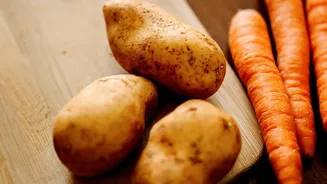
The single most important rule for successful par-cooking is to begin with the end in mind. Before you chop a single vegetable, decide how you want to serve it. Will those potatoes be roasted to a crisp, mashed until creamy, or tossed into a salad? The answer determines your par-cooking method. For example, potatoes destined for a crispy roast should be par-boiled until just tender, then cooled and roughed up before hitting a hot oven. If you plan to grill chicken, you might par-cook it gently in the oven first to ensure it’s cooked through without charring on the outside. Knowing your destination dictates the path you take.
A Guide for Common Ingredients
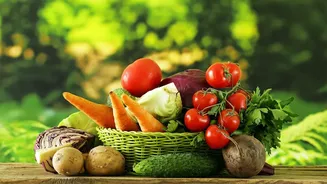
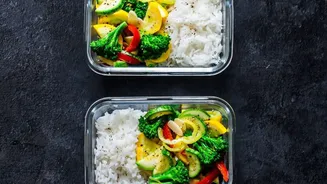
Different foods require different approaches. Hardy vegetables like potatoes, carrots, and Brussels sprouts are perfect for par-cooking; they can be boiled or steamed until slightly tender. Tender vegetables like broccoli, green beans, and asparagus benefit from a quick blanch (a brief dip in boiling water) followed by an ice bath to lock in their vibrant colour and crispness. Grains like rice, quinoa, and lentils can be cooked ahead and stored in the fridge for days, ready to be added to salads or reheated for a quick side dish. For proteins like chicken or sausages, you can gently bake or poach them, then finish them on a hot grill or pan for colour and flavour.
Cooling and Storing Correctly
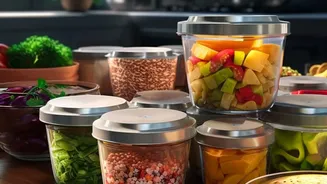
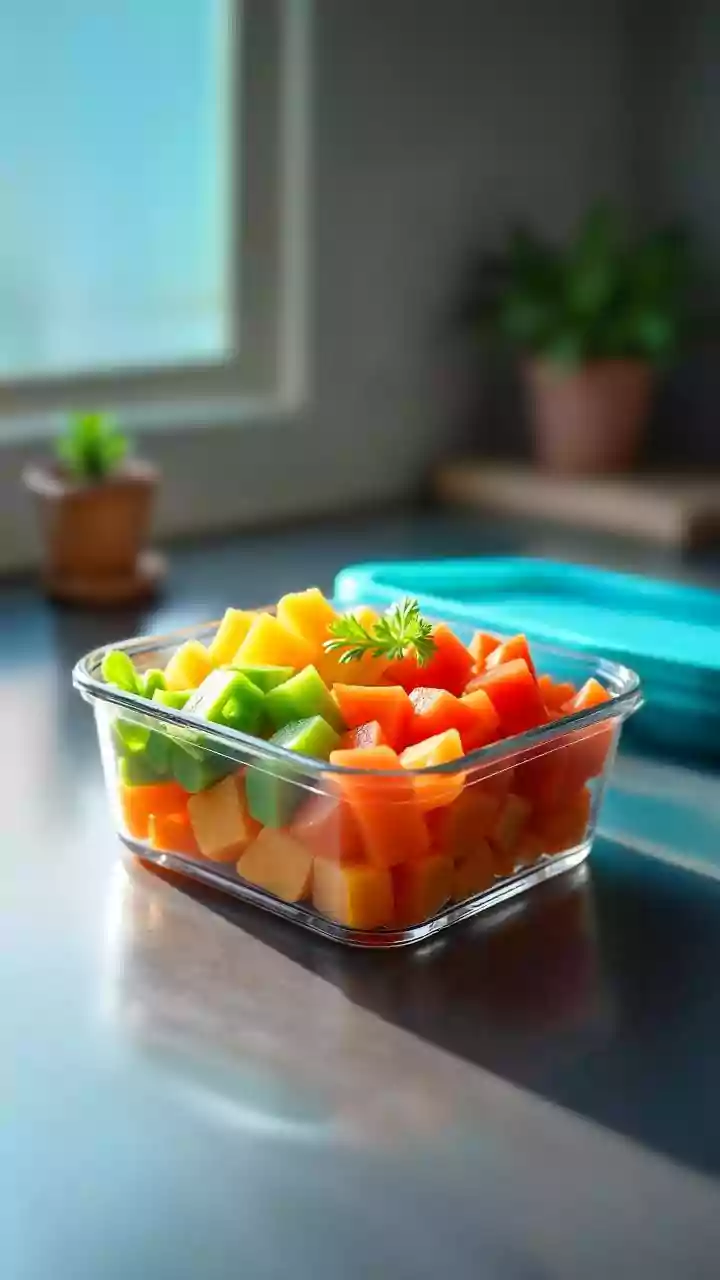
This step is critical for both food safety and quality. Partially cooked food cannot be left at room temperature for extended periods. Bacteria thrive in the “danger zone” between 40°F and 140°F (about 4°C and 60°C). After par-cooking, you must cool ingredients quickly. Spread them on a baking sheet to increase the surface area or, for blanched vegetables, plunge them into an ice water bath. Once cool, store them in airtight containers in the refrigerator for up to four days. For longer storage, many par-cooked items can be frozen. Proper cooling prevents the food from continuing to cook and helps maintain the best possible texture.
The Grand Finale: Finishing and Serving
This is where your planning pays off. Your par-cooked components are ready for their final transformation, which should be quick and simple. Those par-boiled potatoes? Toss them in oil and roast at high heat until golden and crisp. The blanched green beans? Sauté them with garlic for just a minute or two. The pre-cooked grains can be quickly fried with vegetables or simply reheated in the microwave. The goal of the finishing step is to bring the ingredient to its ideal serving temperature and add the final layer of texture and flavour, like a sear from a hot pan or the char from a grill.