






The Old Monsoon vs. The New Reality
The Indian monsoon was never perfectly uniform, but it followed a broadly reliable pattern: a timely onset around June, steady rainfall nourishing crops through the summer, and a gradual withdrawal. This predictability allowed generations of farmers to
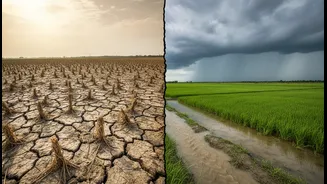
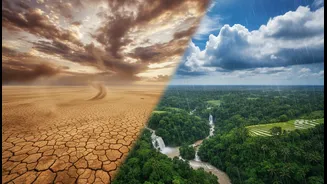
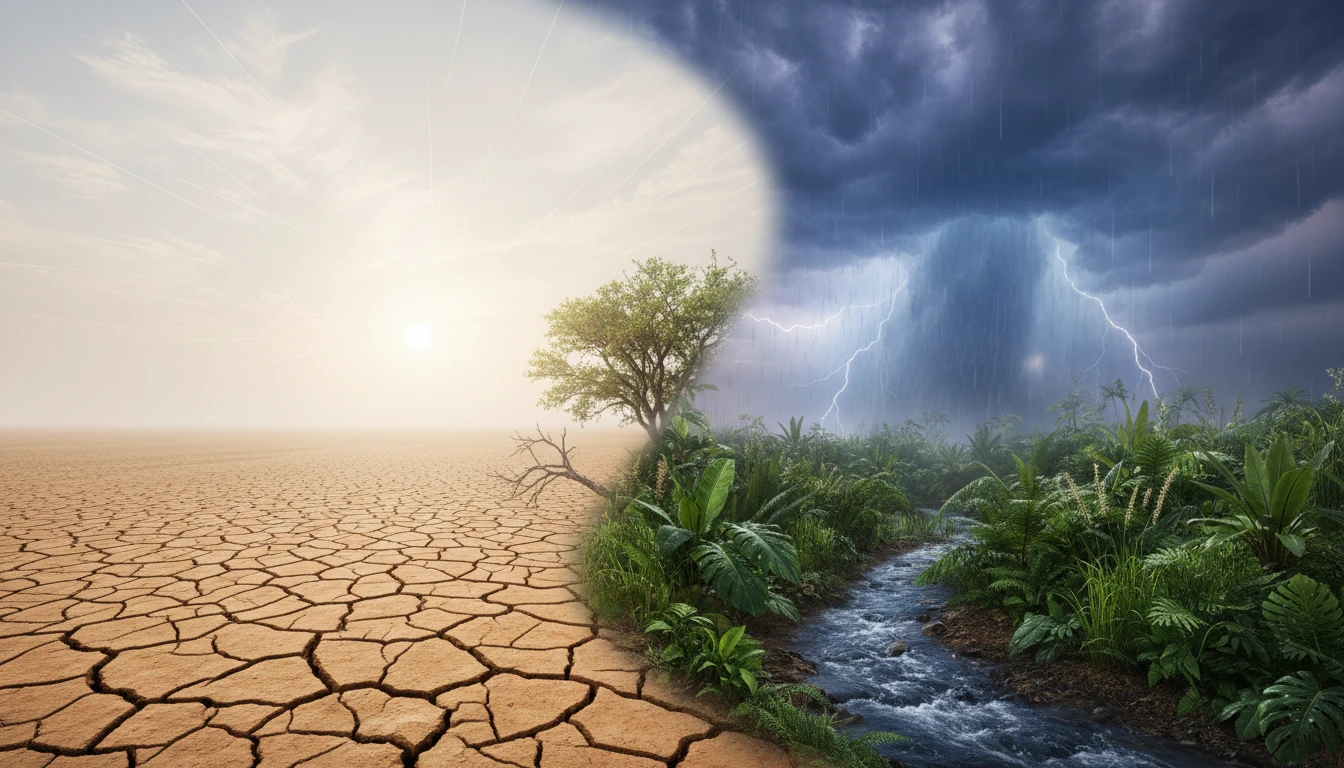
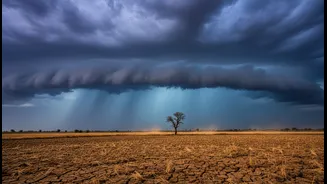
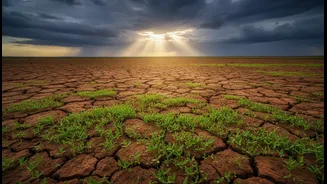
plan their sowing and harvesting. That old reality is fading. The new monsoon is defined by volatility. Instead of steady showers, we are seeing long dry spells broken by sudden, intense downpours that lead to flash floods. In some years, the monsoon's arrival is significantly delayed, while in others it withdraws too early, disrupting crucial agricultural cycles. This shift from a predictable seasonal event to a series of chaotic weather extremes is the new, uncertain reality for over a billion people.
The Climate Change Connection
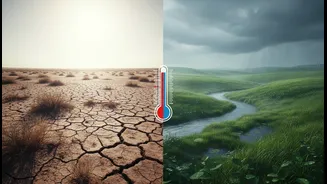
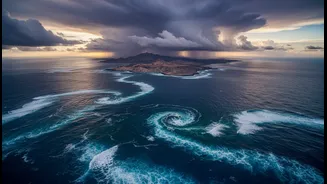
This growing chaos is not random; it is a direct consequence of a warming planet. For every degree Celsius of warming, the atmosphere can hold about 7% more moisture. This simple fact of physics means that when it does rain, the downpours are often far more intense. Furthermore, the Indian Ocean is warming rapidly, changing the critical temperature difference between the land and sea that drives the monsoon winds. A warmer Arabian Sea can feed more moisture into weather systems, leading to extreme rainfall events, especially along the west coast. Studies now show with high confidence that since the 1950s, human-induced greenhouse gas emissions have become the dominant factor driving these stronger and more erratic monsoon seasons.
A Pattern of Extremes Across India
The impact of climate change isn't uniform across the subcontinent. Instead, it's creating a complex and concerning patchwork of effects. Traditionally wet regions like Northeast India and the Indo-Gangetic plains have seen a decrease in overall seasonal rainfall over the past decade. At the same time, historically drier areas in Rajasthan, Gujarat, and parts of Maharashtra and Tamil Nadu are now receiving more monsoon rainfall. This regional shift is accompanied by a temporal one: the total number of rainy days is decreasing, but the frequency of extremely heavy rainfall days is increasing. This leads to a paradox where a region can suffer from both drought-like conditions and devastating floods within the same season.
Why Forecasting Is More Difficult, and More Crucial
Forecasting the monsoon has always been a monumental challenge due to its complexity. It's a vast system influenced by everything from local topography to conditions in the Pacific Ocean, like El Niño. Climate change adds another layer of deep uncertainty. Historical data, the bedrock of traditional forecasting models, is becoming a less reliable guide to the future. While agencies like the IMD are improving short-term alerts, predicting the precise intensity of rainfall or its exact location remains difficult. This is where climate science context is vital. We need more than just a weather forecast; we need better climate models that can help us understand and prepare for long-term shifts in monsoon behaviour, allowing for more strategic water management, disaster preparedness, and agricultural planning.