








Understanding the Original Star
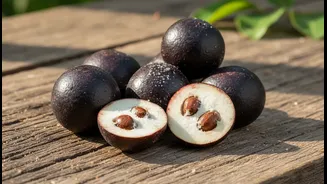
Before we get to the lattes and spritzers, let’s talk about Kokum itself. Scientifically known as Garcinia indica, this deep-purple fruit is native to India's Western Ghats. For generations, it has been a staple in the cuisines of Maharashtra, Goa, and Karnataka.
Traditionally, the dried rind is used as a souring agent in curries, similar to tamarind but with a unique, less harsh, and slightly sweet-sour profile. Beyond the kitchen, Ayurveda values kokum for its cooling properties, making it a go-to remedy for digestive issues like acidity and for beating the summer heat. The most famous traditional preparation is Sol Kadhi, a soothing digestive drink made from kokum extract and coconut milk.
The Modern Cafe Makeover
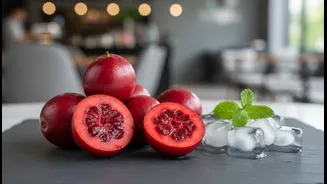
Today’s chefs and baristas are rediscovering kokum's versatility. Its sour, tangy notes and brilliant colour make it a perfect candidate for innovative cafe menus. You might find it in sparkling coolers, artisanal sodas, infused teas, and even as a flavouring for cocktails or a seasoning for appetisers. This culinary revival introduces the beloved fruit to a new audience that might not have encountered it in a traditional curry. The goal is to balance its distinct flavour in drinks that are refreshing, complex, and visually appealing. However, this transition from a whole-food ingredient to a commercial flavouring is where things can get tricky.
Verify the Purity of the Extract
The first and most important thing to check is the source of the kokum flavour. Is the cafe using a pure kokum extract or a commercially produced syrup? Many mass-market syrups are primarily sugar and water, with artificial flavours and colours added to mimic the real thing. A drink made from pure kokum extract, which is simply the concentrated juice of the fruit, will have a more authentic, complex flavour profile that is tart and earthy. Artificial syrups, on the other hand, often taste one-dimensionally sweet and may lack the subtle sourness of real kokum. Don't hesitate to ask the barista about their ingredients. A quality-focused cafe will be proud to tell you they use the real deal.
Scrutinize the Sugar Content
One of kokum's traditional health benefits is its role in digestion and weight management. However, these benefits can be completely negated if the drink is overloaded with sugar. Modern cafe beverages, especially flavoured lattes and coolers, are often sugar bombs. A single drink can contain more added sugar than your recommended daily limit. While traditional kokum sherbet includes sugar, it’s often balanced with salt and spices. In a cafe setting, a kokum-flavoured drink could be made with a syrup that is 50-60% sugar. To make a healthier choice, ask if the sweetness can be adjusted or if they offer a version with less sugar.
Question the Health Claims
Kokum is rich in antioxidants and has anti-inflammatory properties. Studies have explored its benefits for gut health, heart health, and even skincare. While these are promising, it's important to be wary of exaggerated marketing claims. A trendy cafe drink is not a medical treatment. The health benefits are associated with the fruit itself, often when consumed regularly as part of a balanced diet. A weekly kokum cooler, while delicious, is unlikely to transform your health. Enjoy the drink for its flavour and refreshment, but treat any grand health promises with a healthy dose of skepticism. The real benefit comes from appreciating a natural, traditional ingredient, not from a supposed miracle cure in a cup.
Embrace the Flavour, Not Just the Fad
Ultimately, the revival of kokum is something to be celebrated. It shines a spotlight on a fantastic indigenous ingredient. The best way to approach this trend is with curiosity and awareness. Try the traditional forms, like Sol Kadhi or a simple sherbet, to understand its true taste. When you order a modern kokum creation, appreciate the innovation but be a mindful consumer. By asking about the ingredients and making conscious choices, you support cafes that prioritize quality and authenticity. This ensures that kokum's modern makeover is a tribute to its rich history, not just a passing fad built on sugar and artificial flavours.