




Decoding the 'Micro-Lot'
First, let's break down the term 'micro-lot'. Unlike mass-produced coffee that blends beans from various locations, a micro-lot is a small, specific batch of coffee from a single farm or even a particular plot of land on that farm. These lots are kept
separate because they have a unique character, thanks to a distinct microclimate, soil type, or a special coffee plant variety. Farmers give these small batches meticulous care, from hand-picking only the ripest cherries to using experimental processing methods. The key takeaway is traceability and uniqueness; you can often trace a micro-lot back to the exact farmer and plot. This exclusivity and superior quality mean they command a higher price, which benefits the producers who invest extra effort.
The New Wave of Urban Cold Brew
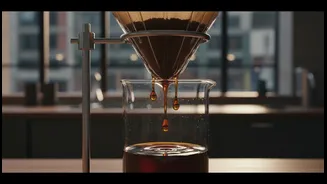
Simultaneously, the coffee culture in urban Indian centres like Mumbai, Delhi, and Bengaluru is evolving rapidly. The market for cold brew coffee is projected to grow significantly in India, driven by a burgeoning café culture and a consumer base increasingly interested in premium beverages. We're moving beyond generic iced coffee. The new trend is 'filter cold brew', a method that produces a cleaner, crisper, and more nuanced drink compared to the full-immersion style that can sometimes be heavy or gritty. By using paper filters to strain the coffee after its long, cold steep, brewers can highlight the delicate and complex flavour notes of the beans, much like a fine wine. This clarity is precisely what a new generation of discerning coffee drinkers is looking for.
A Perfect Partnership for Premiumisation
This is where the two trends converge. The unique, often delicate and complex flavour profiles of micro-lot coffees—think floral notes, bright acidity, or fruity sweetness—are perfectly showcased by the clean, clarifying nature of filter cold brew. A standard, blended coffee might taste smooth when cold-brewed, but a high-quality micro-lot can express its specific origin story through this method. The slow, cold extraction gently pulls out the nuanced flavours without the bitterness that hot water can introduce. For a café, this is a powerful combination. They can offer a cold brew that is not just a cold caffeine hit, but a genuine flavour experience. This unique story and superior taste justify the premium price tag, allowing cafes to create a top-tier category in their cold coffee menu.
More Than Just Great Taste
The use of micro-lots offers more than just a superior product; it provides a compelling narrative. Cafes and roasters can share the story of the specific farm, the producer, and the unique conditions that created the coffee. This appeals to modern consumers who value transparency, sustainability, and ethical sourcing. By sourcing micro-lots, often through direct trade relationships, roasters can ensure farmers are fairly compensated for their highest-quality beans. This creates a sustainable cycle where farmers are incentivised to experiment and produce exceptional coffee, and consumers get to enjoy a unique, high-quality product they can feel good about. It transforms a simple transaction into a connection with the entire supply chain.
The Indian Coffee Scene Catches On
This trend is already visible across India's specialty coffee landscape. Roasters like Blue Tokai, Subko, and Araku Coffee are actively promoting micro-lot projects from estates in Karnataka, Tamil Nadu, and Andhra Pradesh. They highlight experimental processing methods and unique varietals, which are then sold to both home brewers and cafes. As Indian consumers become more educated about coffee, their interest in traceability and unique flavour profiles grows. The rise of micro-lot sourcing directly feeds this curiosity, providing the foundation for premium offerings like single-origin filter cold brews that stand out in a competitive urban market.