








Kharif: The Monsoon Gamble
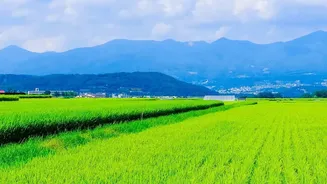
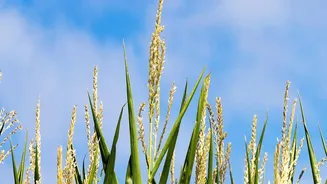
The Kharif season, also known as the monsoon crop season, is the backbone of Indian agriculture, beginning with the onset of the southwest monsoon in June and July. These crops, which include staples like rice, maize, cotton, and soybean, are heavily
dependent on the timing and intensity of the monsoon rains. Sown at the start of the rains, they thrive in the hot and humid conditions that follow, with harvesting typically taking place between September and October. The success of the Kharif season directly impacts India's food grain production, as it accounts for a significant portion of the country's annual agricultural output. However, this dependency on the monsoon also makes it a high-stakes gamble for farmers, as unpredictable rainfall—either too much or too little—can drastically affect crop yields.
Rabi: The Cool Winter Harvest
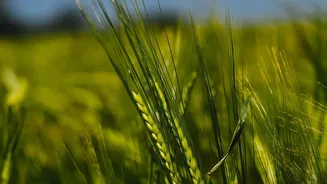
Following the retreat of the monsoon, the agricultural focus shifts to the Rabi season. Sowing for Rabi crops takes place between October and November, when the weather turns cooler and drier. Unlike their Kharif counterparts, Rabi crops require less water and rely more on stored soil moisture and irrigation. This season is synonymous with wheat, which is a major Rabi crop, especially in the northern states of Punjab, Haryana, and Uttar Pradesh. Other important Rabi crops include barley, mustard, chickpeas (gram), and peas. The harvest occurs in the spring, from March to April, providing the country with its primary supply of winter cereals and pulses, which are crucial for national food security.
Zaid: The Overlooked Summer Bridge
Fitting neatly between the end of the Rabi harvest and the beginning of Kharif sowing is the Zaid season, a short but vital summer cropping period from roughly March to June. Often overlooked, the Zaid season is characterized by fast-growing, short-duration crops that rely entirely on irrigation due to the hot, dry weather. This is the season for many fruits and vegetables, such as watermelon, muskmelon, cucumber, and gourds. The term 'Zaid' itself is derived from the Arabic word for "additional," reflecting its role as a supplementary season. For farmers, the Zaid season is an important opportunity to earn extra income during what would otherwise be a fallow period, ensuring land is utilized year-round and providing a steady supply of fresh produce to markets during the summer months.
An Interconnected Agricultural Clock
The three seasons—Kharif, Rabi, and Zaid—are not isolated events but parts of a deeply interconnected agricultural calendar that dictates the flow of life and commerce in rural India. The end of one season sets the stage for the next. The moisture left by the monsoon aids the sowing of Rabi crops, and the gap after the Rabi harvest allows for the quick cultivation of Zaid crops before the next monsoon cycle begins. This continuous rotation is essential for maintaining soil fertility, managing pests, and ensuring a year-round food supply. Understanding this intricate timing is fundamental not just for farmers but for policymakers and businesses involved in India's vast food supply chain, as the harvest timings directly influence food prices and market availability across the nation.