


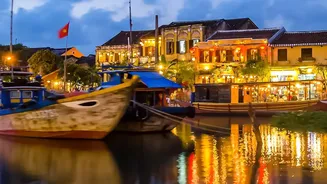

A Town Preserved in Time
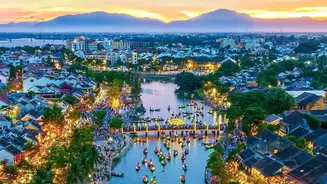
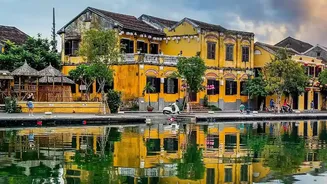
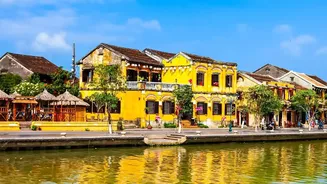
Hoi An’s Ancient Town is a remarkably well-preserved example of a Southeast Asian trading port that thrived from the 15th to the 19th centuries. Its streets are a captivating fusion of cultures, with traditional Vietnamese architecture standing alongside
Chinese temples and French-colonial shophouses. Recognized as a UNESCO World Heritage site in 1999, the town has managed to protect its unique atmosphere. Walking through its narrow, pedestrian-friendly alleys, you'll find yourself transported back in time, surrounded by over 800 preserved ancient buildings, from historic houses to ornate pagodas. The core of the Old Town is compact and best explored on foot or by bicycle, which are often provided for free by local hotels.
The Magic of the Lanterns
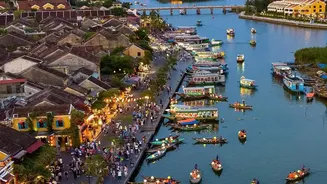
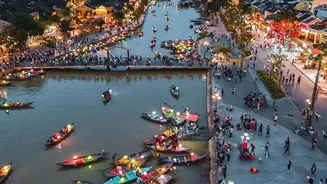
While the lanterns are a nightly spectacle, their glow becomes truly enchanting during the monthly Full Moon Lantern Festival. Held on the 14th day of each lunar month, the entire Old Town switches off its electric lights around 8 p.m., allowing the soft, colourful radiance of silk lanterns to take over. This tradition honours ancestors and wishes for a bright future. The festival transforms the streets and the Hoai River into a mesmerising scene. Visitors and locals alike purchase small paper lanterns, light a candle inside, and release them onto the water, creating a floating river of light and wishes. For an even grander display, the annual Hoi An International Lantern Festival, scheduled for early December, will feature installations from various Asian countries.
What to See and Do
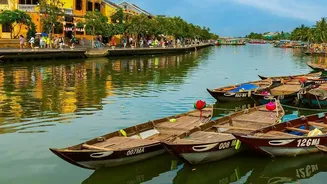
Beyond the lanterns, Hoi An is rich with activities. A must-see is the iconic Japanese Covered Bridge, a 17th-century structure that once connected the town's Japanese and Chinese communities. With a ticket, you can also explore several ancient houses, like the Tan Ky Old House, and ornate assembly halls, such as the Phuc Kien (Fujian) Assembly Hall, which tell the stories of the merchants who settled here. For a different perspective, take a leisurely sampan boat ride on the Thu Bon River, especially at dusk. As night falls, the Hoi An Night Market comes alive, offering everything from local handicrafts to delicious street food. For a hands-on experience, consider a lantern-making workshop or a bicycle tour through the nearby rice paddies.
A Taste of Hoi An
Hoi An is a food lover's paradise, with several dishes unique to the region. The city's signature dish is Cao Lau, a delicious bowl of thick, chewy noodles, flavourful pork, fresh herbs, and crispy croutons. Another local specialty is White Rose dumplings, delicate steamed rice-flour dumplings filled with minced shrimp and topped with crispy shallots. Don't miss out on trying the famous Banh Mi from a local vendor; Banh Mi Phuong is a popular spot, once visited by celebrity chef Anthony Bourdain. Other must-try dishes include Mi Quang (turmeric noodles), Banh Xeo (crispy pancakes), and fresh spring rolls (Gỏi cuốn).
Practical Tips for Your Visit
To access the historic sites within the Old Town, including the Japanese Bridge and various assembly halls, you'll need to purchase an entrance ticket, which costs around 120,000 VND. This fee helps fund the preservation of the heritage site. While the main streets are free to wander, the ticket provides entry to several designated attractions. The best time to visit for pleasant weather is the dry season from February to April. To avoid the largest crowds, explore the Old Town early in the morning before 9 a.m. or later in the evening. Remember to dress modestly when visiting temples and pagodas, covering your shoulders and knees as a sign of respect.