





Hanle, Ladakh: India's Celestial Sanctuary
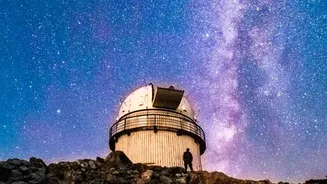
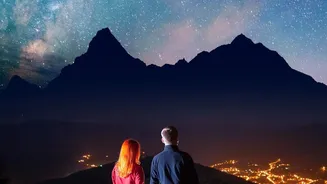
Topping any serious stargazer's list is Hanle in Ladakh, home to India's first and only officially designated Dark Sky Reserve. Located within the Changthang Wildlife Sanctuary at an altitude of over 4,500 metres, this remote village offers some of the clearest
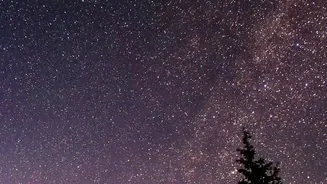
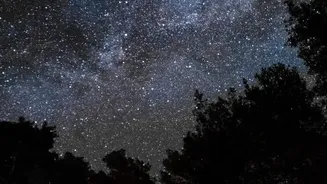
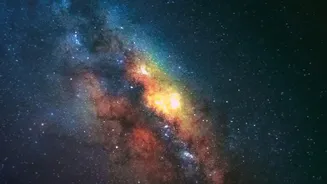
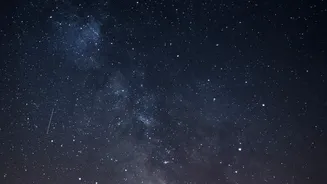
and darkest skies on the planet. The dry air and near-zero light pollution result in a Bortle-1 rating, the highest classification for darkness. Here, the Milky Way is not a faint smudge but a brilliant, textured band so bright it can cast a shadow. The reserve, a collaboration between local authorities and the Indian Institute of Astrophysics, has trained local villagers as 'Astronomy Ambassadors' who guide visitors with telescopes, making your trip a direct contribution to the local community's sustainable development.
Spiti Valley, Himachal Pradesh: A High-Altitude Haven
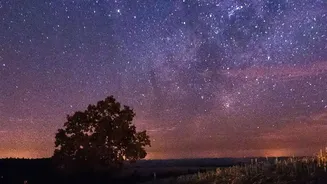
Another Himalayan gem, Spiti Valley, is a paradise for astronomers and astrophotographers. Its high-altitude cold desert landscape, with an average elevation of 12,500 feet, means the air is crisp, dry, and free of the haze that plagues lower regions. This results in exceptionally clear nights, perfect for observing constellations, meteor showers, and distant galaxies. Remote villages like Komic, Langza, and Kibber are particularly famous for their unobstructed views. The best time to visit for clear skies is generally between May and October, but always plan your trip around the new moon. A full moon, while beautiful, acts like a giant celestial light bulb, washing out the fainter stars you travelled so far to see.
Coorg, Karnataka: Stargazing in the South
You don't have to travel to the Himalayas for a breathtaking celestial show. For those in southern India, Coorg in Karnataka offers surprisingly dark and accessible skies. Nestled in the Western Ghats, the region's coffee plantations and rolling hills provide pockets of deep darkness away from city glare. The southern valleys, particularly around Srimangala and Kutta near the Brahmagiri foothills, boast Bortle-2 skies, which are dark enough to see the Milky Way in detail. Several operators now run astronomy camps and experiences in Coorg, complete with powerful telescopes and expert guides to help you navigate the cosmos, from the craters of the Moon to the rings of Saturn. The clear season typically runs from November to May, with the summer months offering the best views of the Milky Way's core.
The Rann of Kutch & Jaisalmer: Desert Skies
The vast, flat expanse of a desert provides an uninterrupted 360-degree view of the heavens, and India has two prime locations. The Great Rann of Kutch in Gujarat, a massive salt desert, creates a surreal landscape for stargazing. Its sheer emptiness means an almost total lack of light pollution, offering an unobstructed horizon. Similarly, the Thar Desert near Jaisalmer in Rajasthan provides an accessible yet profound dark-sky experience. Many desert camps located away from the city lights offer stargazing as part of their cultural programs, often with telescopes on hand. The dry desert air and low humidity ensure crystal-clear nights, especially during the winter months.
Your Stargazing Starter Kit
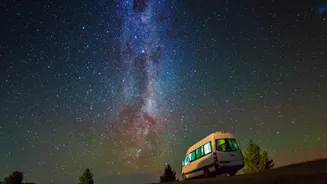
A successful stargazing trip requires a little planning. First, timing is everything. Check the lunar calendar and aim for the days around a new moon. Next, pack appropriately. Even in summer, desert and mountain nights can get chilly, so bring warm layers. While the naked eye is enough to be amazed at a true dark-sky site, a simple pair of binoculars can dramatically enhance your view, revealing star clusters and details on the moon. Finally, download a stargazing app like SkyView or Stellarium before you go. These apps use your phone's GPS to identify stars, constellations, and planets in real-time, acting as your personal guide to the universe.