



The High Cost of Small Drips
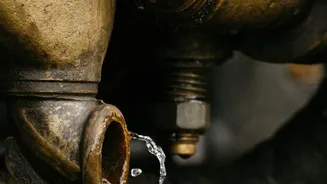
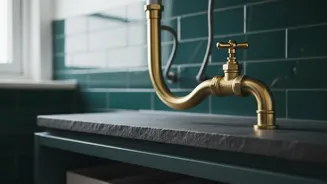
It’s easy to dismiss a minor leak under a sink or a small patch of peeling caulk, but this is where the biggest battles for your bottom line are won or lost. Water is relentless and is often the root cause of the most expensive property damage. An ignored
drip can lead to rotten subfloors, widespread mold, and damaged ceilings in the unit below. What starts as a five-dollar washer replacement can easily spiral into a five-thousand-dollar restoration project. Industry data shows that plumbing and roof leaks account for a huge percentage of all maintenance requests and costs. By contrast, planned preventative work is dramatically cheaper than emergency repairs, with some estimates suggesting a scheduled service call is a fraction of the cost of an emergency replacement plus water damage cleanup. A proactive maintenance strategy focused on water intrusion and minor repairs isn't just about fixing things; it's about financial self-defense.
The Quarterly Leak and Repair Sweep
A simple, repeatable inspection is the heart of a good maintenance calendar. On a quarterly basis, either you or a trusted handyman should perform a systematic walk-through focused on high-risk areas. Start in kitchens and bathrooms, checking under every sink for any sign of moisture, water stains, or active drips. Test toilets to ensure they are not running constantly and inspect the base for leaks. Look at the water heater for any signs of corrosion or leakage. Beyond plumbing, this is the time to check window and door seals for drafts or water intrusion, inspect grout and caulk in showers and tubs, and patch any minor cracks in drywall before they expand. This regular “sweep” turns you from a firefighter into a strategist, catching issues when they are small, cheap, and easy to fix.
Building Your Annual Calendar
Organizing these tasks into an annual calendar ensures nothing is forgotten. Use the seasons as your guide. Spring is perfect for post-winter inspections of the roof, gutters, and exterior, looking for damage from storms or ice. It’s also a great time to service the air conditioning system before the summer heat arrives. In the fall, focus on preparing for winter. Clean gutters one last time, drain exterior faucets to prevent freezing, and have the heating system serviced. For every scheduled visit, communicate clearly with your tenants. Let them know when you'll be coming and what you'll be checking. This not only respects their home but also encourages them to report small issues they notice, making them a partner in protecting the property.
Beyond the Basics: Essential Ancillary Tasks
While leaks and small repairs should be your primary focus, they are not the only items on the list. Integrate other essential but simple tasks into your calendar. Monthly or quarterly, test all smoke and carbon monoxide detectors and replace batteries annually. Swapping out HVAC filters is another quick job that prevents strain on expensive systems and improves air quality for tenants. Also, schedule an annual pest control inspection to prevent infestations before they start. These tasks are often overlooked but provide a huge return in safety, system longevity, and tenant satisfaction. They fit perfectly within the ethos of a preventative maintenance plan by addressing potential problems before they become active crises.