


The Art of 'Andaz' vs. The Science of Baking
In many Indian households, recipes are passed down through a tradition of 'andaz,' or estimation. A pinch of this, a handful of that—it’s an intuitive method that works wonderfully for dal, sabzi, and curries, where you can taste and adjust as you go.
However, when it comes to baking cakes, cookies, and breads, the rules change dramatically. Baking is a science. It relies on precise chemical reactions between ingredients like flour, sugar, and leavening agents. An imbalance—too much flour, not enough baking soda—can be the difference between a light, fluffy cake and a dense, dry brick. This is where standardised units become your most trusted kitchen tool.
Volume vs. Weight: The Great Kitchen Debate
The most common source of error in home baking is the confusion between measuring by volume (cups) and weight (grams or ounces). Professional bakers almost always use weight because it is far more accurate. For example, how you get flour into a measuring cup can drastically change how much you're actually using. Scooping flour directly from the bag can pack it down, resulting in up to 30-50% more flour than the recipe intended. This seemingly small difference can ruin the texture of your final product. A cup is a measure of space, and the amount of an ingredient that fits into that space can vary. Weight, however, is a direct measure of the ingredient itself and is always consistent.
Mastering the Measuring Cup
If you don't own a kitchen scale, you can still achieve consistency by using measuring cups correctly. First, ensure you're using dry measuring cups for dry ingredients like flour and sugar, and liquid measuring cups for things like water and milk. For dry ingredients, the 'spoon and level' method is the most reliable. Use a spoon to fluff up the flour in its container, then lightly spoon it into your measuring cup until it's mounded over the top. Do not tap or pack the flour down. Finally, use the straight edge of a knife to sweep the excess flour off the top, leaving you with a perfectly level, accurate cup. For liquids, place the cup on a flat surface and read the measurement at eye level to avoid errors.
Not All Spoons Are Created Equal
Just as with cups, it's crucial to use standardised measuring spoons rather than the spoons you eat with. A 'tablespoon' from your cutlery drawer can hold a different amount than a 15ml measuring tablespoon. This might not matter for a garnish, but for potent ingredients like baking powder, baking soda, or salt, the difference can be significant. Too much baking soda can leave a soapy taste, while too little can prevent your bake from rising. Always use proper measuring spoons and level them off with a straight edge for accuracy, especially for these powerful ingredients.
The Magic of a Kitchen Scale
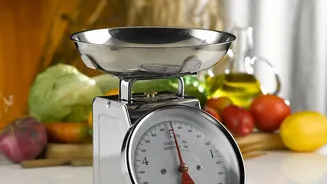
For anyone serious about baking, investing in a digital kitchen scale is a game-changer. It eliminates all the guesswork of volume measurements. With a scale, 200 grams of flour is always 200 grams of flour, regardless of how it's packed. This is the single most effective way to ensure your results are consistent every single time. Scales also make for easier cleanup—you can measure multiple ingredients directly into your mixing bowl by using the 'tare' or 'zero' function, which resets the scale to zero after each addition. This means fewer measuring cups and spoons to wash. Plus, it opens up a world of international and professional recipes that list ingredients by weight.
From Guesswork to Guarantee
Moving from estimation to precise measurement might feel restrictive at first, but it's actually liberating. It removes the anxiety of inconsistency and empowers you to reliably recreate your favourite dishes and confidently tackle new ones. By understanding the 'why' behind using clear units, you build a foundation of skill that makes you a better, more confident cook. Start with one small change—try the 'spoon and level' method for your next batch of cookies. You might be surprised at the delicious difference it makes.