




Training is the First Line of Defence
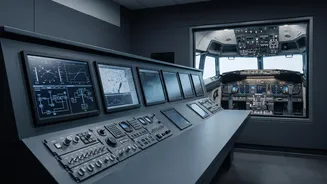
A pilot’s job is 99% procedure and 1% moments of high-stakes problem-solving. Every commercial pilot undergoes extensive and continuous training to handle a wide range of emergencies. This isn't just a one-time course; pilots spend days each year in high-fidelity
flight simulators, practicing their response to everything from engine failures and fires to instrument malfunctions and medical emergencies. This rigorous, scenario-based training builds the muscle memory required to act decisively under pressure. The guiding principle is always to fly the airplane first, then manage the problem. This ensures that maintaining control of the aircraft is the immediate priority in any unexpected event.
The Sterile Cockpit Rule
During critical phases of flight—typically everything below 10,000 feet, including taxi, takeoff, and landing—a regulation known as the "sterile cockpit rule" is in effect. Enacted by the FAA in 1981 after investigations found that non-essential chatter contributed to accidents, this rule prohibits any conversation or activity not directly related to the safe operation of the aircraft. This means no casual conversation, no food service coordination, and no pointing out sights of interest. The sole focus is on flying and monitoring the aircraft, ensuring maximum concentration when the workload is highest.
Teamwork in an Emergency
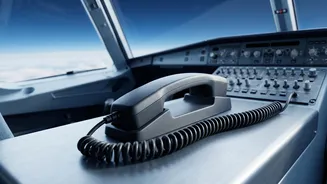
Modern cockpits are designed for two pilots who work as a team, a concept known as Crew Resource Management (CRM). Both pilots are fully qualified to fly the aircraft. In an emergency, their roles become distinct: one pilot, the 'Pilot Flying', focuses exclusively on controlling the plane. The other, the 'Pilot Monitoring', handles checklists, communications with air traffic control, and managing aircraft systems. Should one pilot become incapacitated, the other is trained to take full command, declare an emergency to get priority clearance, and coordinate with the cabin crew. It's a well-rehearsed procedure to ensure the flight remains safe even with only one pilot at the controls.
The Cabin Crew Are Your Lifeline
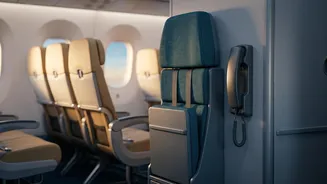
While pilots manage the technical aspects from the flight deck, the cabin crew are your direct link to information and your first responders. They are highly trained safety professionals who rehearse emergency procedures for evacuations, in-flight fires, and medical situations. In a cockpit emergency, they are briefed by the pilots on the situation and the plan. Their job is to prepare the cabin, keep passengers calm, and provide clear, authoritative instructions. When you hear them shout commands like "Brace! Brace! Brace!" it is the result of intensive training designed to get your immediate attention and compliance.
What You Can Do as a Passenger
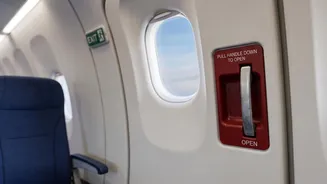
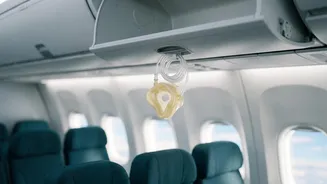
Your role in an emergency is simple but crucial: listen and follow instructions. Flight attendants are trained to guide you, but they need your cooperation. Pay attention to the pre-flight safety briefing and review the safety card in your seat pocket. In an actual emergency, the most important actions are to remain seated, fasten your seatbelt securely, and listen for directions. If an evacuation is ordered, leave all your belongings behind. Trying to retrieve luggage can block aisles, damage evacuation slides, and fatally slow down the process for everyone. Following crew commands without hesitation is the single most effective way you can contribute to a safe outcome.