




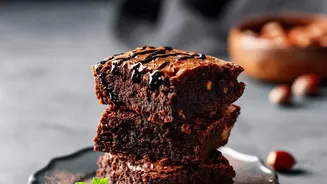
A Modern Twist on a Classic Treat
The chocolate brownie holds a special place in the world of desserts. It’s the ultimate comfort food—dense, decadent, and deeply satisfying. For years, enjoying one has often been synonymous with a feeling of guilty pleasure. But a quiet revolution is happening
in professional kitchens and home bakeries across India. Innovative chefs are reimagining this classic by incorporating traditional, wholesome ingredients. The star of this transformation is finger millet, a humble grain that is turning the concept of a 'guilt-free' dessert from a myth into a delicious reality. By moving away from refined wheat flour (maida), chefs are creating a brownie that not only tastes incredible but also offers a surprising range of nutritional benefits.
Meet Ragi: The Nutrient-Dense Powerhouse
Known as ragi in Kannada, nachni in Marathi and Gujarati, and finger millet in English, this ancient grain has been a staple in Indian diets for thousands of years. Traditionally used to make porridge, rotis, and dosas, ragi is now finding its way into contemporary baking. Its resurgence is thanks to an impressive nutritional profile. Ragi is naturally gluten-free and a fantastic source of calcium, iron, and dietary fibre. Its high fibre content aids digestion and promotes a feeling of fullness, while the presence of antioxidants and essential amino acids makes it a true superfood. Compared to refined wheat, ragi offers a more complex and beneficial nutritional package, making it an ideal candidate for a healthy makeover of indulgent foods.
Unpacking the 'Guilt-Free' Promise
The term 'guilt-free' isn't about being calorie-free; it's about being nutritionally smarter. When pastry chefs substitute refined flour with ragi, they are fundamentally changing the brownie's composition for the better. Ragi has a lower glycemic index (GI) than refined wheat, meaning it releases sugar into the bloodstream more slowly. This helps prevent the sharp sugar spikes and subsequent crashes associated with typical desserts, making it a more favourable option. The added fibre contributes to better gut health and satiety. So, while a ragi brownie is still a treat, it's a more wholesome one that provides sustained energy and valuable nutrients instead of empty calories. You get all the joy of a brownie, but with a nutritional bonus that makes it a more mindful indulgence.
But What About the Taste and Texture?
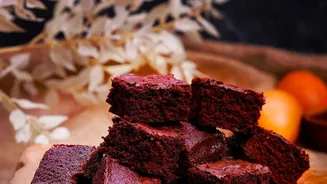
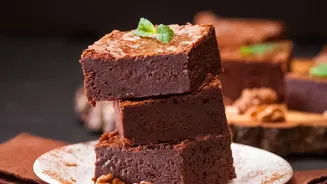
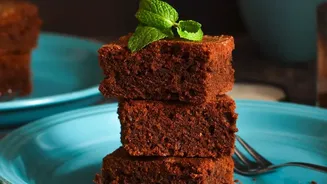
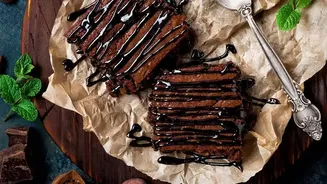
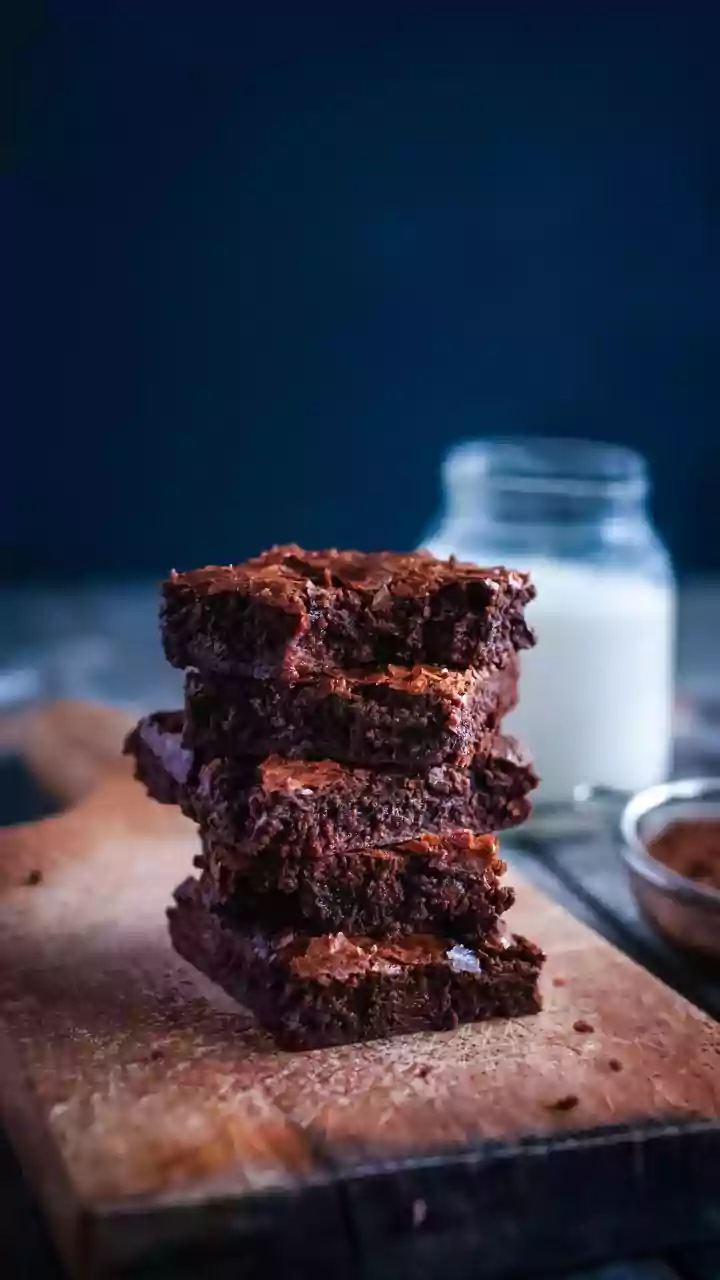
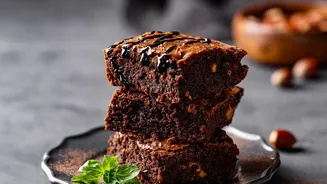
This is the question on every brownie lover's mind. Can a 'healthy' brownie truly compete with the original? The answer from chefs is a resounding yes. Ragi flour has a unique, slightly nutty and earthy flavour that beautifully complements the deep bitterness of dark chocolate. In fact, many find that it adds a layer of complexity that refined flour lacks. When used correctly, ragi creates a wonderfully moist and fudgy texture, which is the hallmark of a great brownie. Some bakers note that ragi can make baked goods a bit denser, but chefs counteract this by carefully balancing it with moisture-rich ingredients like butter, oil, or even banana and yoghurt to achieve that perfect, melt-in-your-mouth consistency. Many who try it can't even tell the primary ingredient isn't traditional flour.
The Chef's Secret to Perfect Ragi Brownies
Mastering the ragi brownie requires skill and an understanding of how the flour behaves. Since ragi is gluten-free, it doesn't have the same binding properties as wheat flour, which can lead to a crumbly texture if not handled correctly. Chefs often combine ragi with another flour, like whole wheat or almond flour, to achieve a sturdier structure. Another professional tip is to pair it with strong flavours. Coffee or espresso powder is often added to the batter to enhance the chocolate notes and balance ragi's earthiness. Using high-quality dark chocolate is also key, as its intensity stands up well to the robust flavour of the millet. These thoughtful pairings ensure the final product is not just a healthier alternative, but a gourmet dessert in its own right.